Legumes: The Cheapest Protein Most People Skip
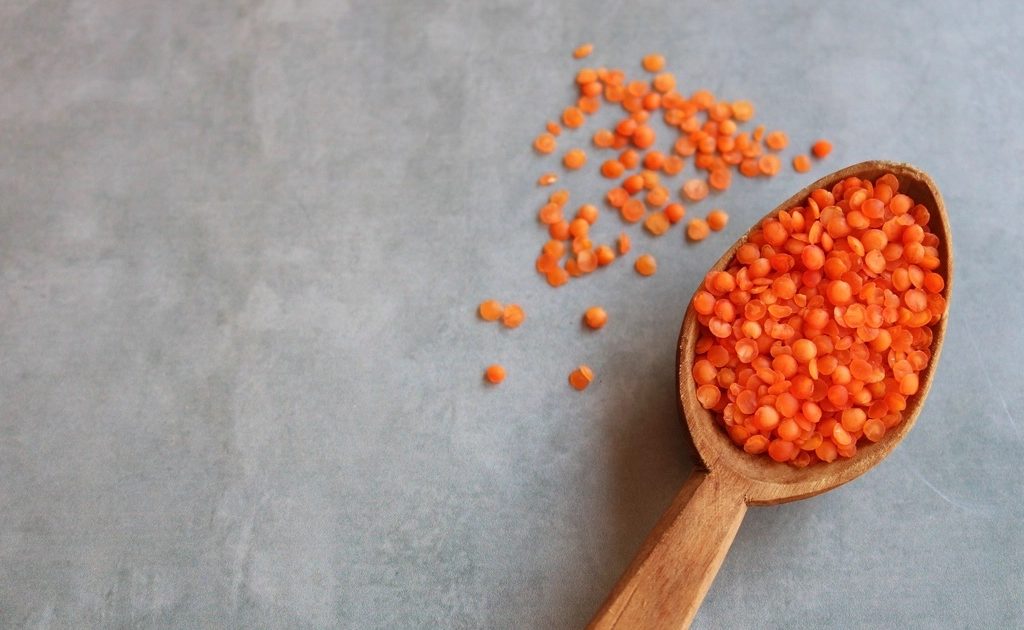
A pound of dried lentils costs about $1.80 at most American grocery stores. That pound cooks up into roughly 7 cups, carrying around 115 grams of protein — which works out to something like 1.5 cents per gram. Chicken breast, the default protein of every fitness plan ever written, runs closer to 4 to 5 cents per gram. Whey protein powder, more still.
And yet lentils sit in the same dusty aisle they’ve always sat in, ignored by most of the people counting macros three aisles over. Beans have a marketing problem, not a nutrition problem.
What legumes actually deliver
The category covers lentils, chickpeas, black beans, pinto beans, kidney beans, split peas, and — technically — peanuts and soybeans. The nutritional pattern is remarkably consistent across all of them: a cooked cup gives you roughly 15 to 18 grams of protein, 12 to 16 grams of fiber, and meaningful amounts of iron, folate, magnesium, and potassium, for around 220 to 270 calories.
That fiber number deserves a second look. The Academy of Nutrition and Dietetics recommends 25 to 38 grams of fiber per day depending on age and sex, and most Americans get barely half that — average intake hovers around 15 grams. One cup of black beans closes a third of the gap by itself. There’s no other food that pairs protein and fiber at this density and this price.
The “incomplete protein” myth won’t die
You’ll still hear that plant proteins are incomplete and need careful combining at every meal. This idea got popularized in the 1970s and nutrition science moved past it decades ago. Legumes are lower in methionine, true — but if you eat grains, nuts, or nearly any other food during the same day, your body pools amino acids just fine. The Academy of Nutrition and Dietetics stated plainly in its position paper on vegetarian diets that protein from a variety of plant foods eaten across the day meets requirements. You don’t need to engineer rice-and-beans into every plate. It just tends to happen anyway, because the combination tastes good.
The evidence goes beyond cost
Legumes show up over and over in the outcomes research:
- Research consistently links regular legume intake with lower LDL cholesterol — meta-analyses suggest eating about a serving a day drops LDL by around 5 percent, which is small but free.
- The USDA Dietary Guidelines for Americans treat legumes as their own recommended subgroup, suggesting about 1.5 cups per week minimum for a 2,000-calorie diet — a floor most people never reach.
- Studies on satiety find beans punch above their calorie count. Higher fiber, slower digestion, steadier blood sugar. For anyone eating in a deficit, that’s the whole game.
None of this requires beans to be magic. They’re just cheap, filling, and boring in the best possible way.
Fine — let’s talk about the gas
Here’s the part every legume article tiptoes around: yes, beans can make you gassy, and pretending otherwise insults everyone’s intelligence. The culprits are oligosaccharides — fermentable carbs your small intestine can’t break down, so your gut bacteria throw a party instead. The honest news is that this genuinely improves with regular exposure. Your microbiome adapts over two to three weeks of consistent intake. Starting with small portions, rinsing canned beans thoroughly (this washes off a chunk of the oligosaccharides along with about 40 percent of the sodium), and favoring lentils over kidney beans early on all help. But the first couple weeks might not be your most sociable. That’s the toll.
Canned vs dried: stop overthinking it
Dried beans are cheaper per serving and taste better if you cook them well. They also require planning, and planning is where most healthy intentions go to die. Canned beans cost maybe 30 cents more per serving, sit in your pantry for years, and are ready in the time it takes to open the can. Nutritionally they’re nearly identical — just rinse them. The best bean is the one that actually ends up in your bowl on a Tuesday night. For most people, most weeks, that’s canned.
A realistic week of eating more legumes
Nobody needs to become a lentil person overnight. Here’s a low-effort on-ramp:
- Swap half the meat. Chili, tacos, bolognese, curry — cut the ground meat by half and fill the gap with black beans or lentils. The dish barely changes; the cost drops noticeably.
- Add a can to whatever soup you’re making. White beans disappear into almost any broth.
- Keep hummus around. Chickpeas count. Hummus plus whatever vegetables are dying in your crisper is a real snack.
- Try one pot of red lentils. They cook in 15 minutes, no soaking, and collapse into a dal-like texture that even bean skeptics tolerate.
- Batch and freeze. If you do cook dried beans, make the whole bag. Cooked beans freeze in their liquid for months.
Aim for three or four cups a week and you’ll be ahead of roughly 80 percent of the country.
FAQ
Can I build muscle on legume protein?
Yes, though you’ll need slightly larger portions than with meat since plant proteins digest a bit less efficiently. Pairing legumes with grains, soy, or dairy covers the amino acid spread. Plenty of people have built serious muscle on diets where beans do heavy lifting — it just takes paying attention to totals.
Are beans bad for people with gout?
Legumes contain moderate purines, and older advice restricted them. Newer research suggests plant purines don’t raise gout risk the way meat and seafood purines do. If you have gout, this is worth an actual conversation with your doctor rather than a blanket avoidance.
Do lectins make beans dangerous?
Raw or badly undercooked kidney beans contain enough lectins to make you sick — that part is real. Normal cooking destroys them completely, and canned beans are fully cooked. The broader lectin panic that sells books has no meaningful evidence behind it for properly cooked legumes.
What’s the single best legume to start with?
Red lentils, for speed and mild flavor. Chickpeas, if you’d rather start with something you already like in other forms. Honestly, the ranking matters far less than picking one and eating it this week.
Related reading
Affiliate & medical disclosure: This review is independent and for information only, not medical advice. Some links may be affiliate links; we may earn a commission at no cost to you, which never affects our score. Consult a licensed provider before starting any product.