Niacinamide in Skincare: What It Does and How to Layer It
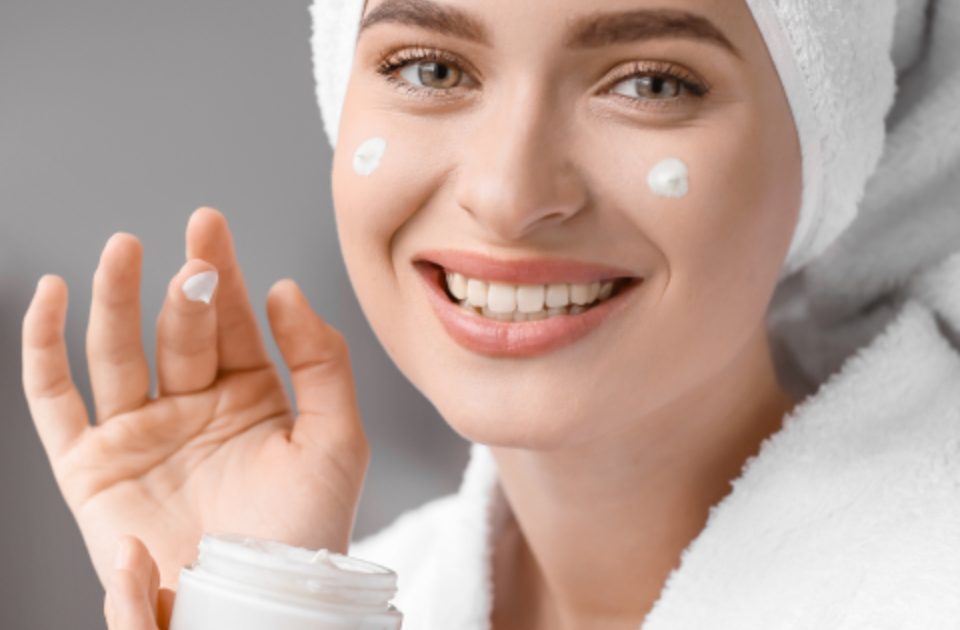
Niacinamide is in everything now. Your cleanser, your sunscreen, your moisturizer, probably your shampoo. When an ingredient shows up in 10 percent of new product launches, one of two things is true: it’s cheap filler riding a trend, or it genuinely earns its spot. Niacinamide, unusually, is a bit of both.
The good news is that the research behind it is real and decades deep. The less good news is that the concentration on the label, the products it’s paired with, and the order you apply things all change what you actually get. Here’s the sorted version.
What niacinamide is
Niacinamide is a form of vitamin B3, a water-soluble vitamin your cells use to build NAD+ — a coenzyme involved in hundreds of reactions, including the energy production and repair work your skin cells do constantly. Don’t confuse it with niacin, its cousin that causes the famous hot-flush reaction; niacinamide doesn’t flush, which is exactly why skincare uses this form.
Unlike trendier actives, it’s stable. It doesn’t degrade in sunlight like retinol or oxidize in the jar like vitamin C. It tolerates a wide pH range. Formulators love it because it survives almost anything, which partly explains why it’s everywhere.
What it’s actually shown to do
- Strengthens the skin barrier. Studies show niacinamide stimulates ceramide production — the lipids that mortar your skin cells together. In clinical testing, that translated to less water loss and less irritation from things like harsh weather and cleansers.
- Fades dark spots. A randomized double-blind trial in melasma patients found 4 percent niacinamide produced improvement comparable to 4 percent hydroquinone — the prescription gold standard — with notably fewer side effects. Other trials using 2 to 5 percent showed measurable reduction in hyperpigmentation over 8 to 12 weeks.
- Calms oil and pores. Research on 2 percent niacinamide found reduced sebum production over several weeks. Pores don’t physically shrink — that’s not a thing — but less oil and better barrier function make them look smaller.
- Softens fine lines and redness. A 12-week split-face study of 5 percent niacinamide in women found improvements in fine lines, blotchiness, and yellowing versus the untreated side. Modest improvements, to be clear. Visible, measurable, not dramatic.
The FDA regards niacinamide as safe in cosmetics, and dermatologists routinely recommend it for sensitive skin precisely because its side-effect profile is so mild.
The concentration question nobody answers on the label
Almost every study showing real results used 2 to 5 percent. Products now advertise 10, 15, even 20 percent, and here’s the honest problem with that arms race: there’s very little evidence the higher numbers work better, and a decent amount of anecdotal evidence they irritate more. Skin can only use so much. Past roughly 5 percent you’re mostly buying marketing, and past 10 percent some people get redness and stinging from an ingredient whose whole selling point is gentleness.
If a product just says “niacinamide” without a percentage, it’s probably under 2 percent — fine as a supporting player in a moisturizer, but don’t expect the study results.
How to layer it
Niacinamide is the easiest active in your routine to place, because it plays well with nearly everything.
- With retinol or retinal: great pairing. Niacinamide’s barrier support cushions retinoid irritation. Apply niacinamide serum first (thinnest texture first), or use it in your moisturizer over the retinoid.
- With vitamin C: fine, despite the old internet myth. The “they cancel out” claim comes from 1960s research on unstabilized formulas at high heat — conditions your bathroom shelf doesn’t replicate. Modern formulations coexist happily; plenty of products combine them on purpose.
- With exfoliating acids (AHA/BHA): fine for most people. If you’re sensitive, use acids at night and niacinamide in the morning rather than stacking them in one sitting.
- With sunscreen: ideal, and morning use makes sense since niacinamide offers some support against UV-triggered pigment production. It is not sunscreen itself. Obviously.
Order of operations, if you’re using a dedicated serum: cleanse, niacinamide serum, moisturizer, then SPF in the morning. That’s it. This ingredient doesn’t need a ritual.
A simple 8-week test run
Pick one product with a stated 4 to 5 percent concentration — serum or moisturizer, doesn’t matter. Use it once daily for a week to check tolerance, then twice daily. Take a bare-faced photo in the same light before you start, because pigment changes are gradual enough that memory will gaslight you. Reassess at week eight: barrier improvements (less tightness, less reactivity) usually show within two to four weeks; dark-spot fading takes the full eight to twelve. If nothing’s changed by twelve weeks, drop it and see a dermatologist about stronger options — persistent melasma and stubborn hyperpigmentation often need prescription treatment, and that’s a provider conversation.
One more practical note: you don’t need niacinamide in five products at once. If your cleanser, toner, serum, and moisturizer all contain it, you’re not quintupling the benefit — you’re just paying for the same ingredient repeatedly. One well-formulated product at an evidence-backed concentration does the job. Spend the leftover budget on sunscreen, which will do more for pigment and aging than any serum ever will.
Can niacinamide cause purging?
No. Purging comes from ingredients that speed up cell turnover — retinoids and exfoliating acids. Niacinamide doesn’t do that. If you break out after starting a niacinamide product, suspect another ingredient in the formula or a genuinely irritating concentration, not “purging.”
Morning or night?
Either, or both. It’s stable, non-photosensitizing, and gentle. Morning use pairs nicely under sunscreen; night use pairs nicely with retinoids. Consistency beats timing.
Do niacinamide supplements do the same thing?
Different job. Oral nicotinamide (same molecule) has its own dermatology research — including a well-known trial in high-risk patients showing 500 mg twice daily reduced new non-melanoma skin cancers by about 23 percent — but that’s a medical use to discuss with a doctor, not a swap for topical skincare benefits.
How do I know it’s working?
Weeks 2 to 4: skin feels less tight and reactive, makeup sits better. Weeks 4 to 8: oiliness moderates, redness evens out. Weeks 8 to 12: dark spots visibly lighter in your comparison photos. If your only measure is “glow,” you’ll never know — use the photos.
Related reading
Affiliate & medical disclosure: This review is independent and for information only, not medical advice. Some links may be affiliate links; we may earn a commission at no cost to you, which never affects our score. Consult a licensed provider before starting any product.