Scalp Health 101: The Overlooked Foundation of Hair Growth
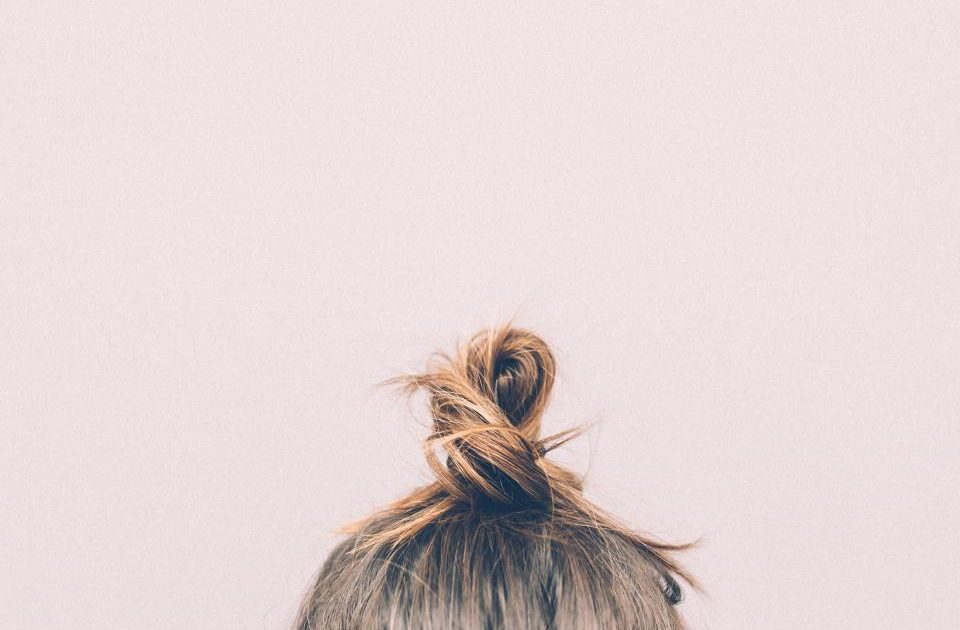
People will spend $60 on a bottle of hair growth serum while washing their scalp with whatever 99-cent shampoo was on sale, scratching at flakes they’ve had for years, and sleeping in dry shampoo three nights running. Then they wonder why the serum isn’t working. The serum was never the foundation. The scalp is.
Dermatologists have been saying a version of this for years: scalp skin is skin. It ages, it inflames, it gets a microbiome, it gets sunburned. And a growing body of research links its condition directly to the quality of the hair it produces.
Your scalp is an ecosystem, not a surface
Each of the roughly 100,000 follicles on your head sits in a tiny pocket of sebum, bacteria, and yeast — most notably Malassezia, a fungus that lives on essentially every adult scalp. When this ecosystem stays balanced, you never think about it. When it tips — too much oil, too much yeast, too much inflammation — you get flaking, itching, and a low-grade inflammatory state around the follicle itself.
That last part matters more than the flakes. Studies comparing hair from flaky, irritated scalps against healthy ones have found measurable differences in the hair shaft: more surface damage, thinner fibers, weaker cuticles. Research consistently shows that oxidative stress at the follicle level is associated with both premature shedding and reduced fiber quality. An inflamed scalp doesn’t just feel bad. It grows worse hair.
Dandruff isn’t a hygiene problem
Around half of adults deal with dandruff at some point — it’s one of the most common scalp conditions on Earth. And it has almost nothing to do with being unclean. It’s typically an inflammatory response to Malassezia byproducts in people whose skin happens to be sensitive to them. Seborrheic dermatitis, the heavier version with greasy yellowish scale and redness, affects roughly 3 to 5 percent of adults according to NIH-affiliated dermatology literature, with higher rates in infants and older adults.
The fix is usually not scrubbing harder. It’s using an actual antifungal — zinc pyrithione, ketoconazole, or selenium sulfide — which the American Academy of Dermatology recommends as first-line care for flaking that regular shampoo can’t touch. These aren’t exotic. They’re sitting in the drugstore aisle for a few dollars.
What genuinely damages a scalp
- Sunburn. Your part line takes direct UV all summer. Scalp skin burns like any skin, and skin cancers on the scalp are frequently caught late precisely because nobody looks there. The Skin Cancer Foundation flags the scalp and ears as commonly missed high-exposure zones.
- Aggressive washing — in both directions. Stripping shampoos with harsh sulfates can trigger rebound oiliness and irritation in some people; washing so rarely that sebum and product accumulate feeds yeast overgrowth in others. The extremes are the problem.
- Tension. Tight ponytails, braids, and extensions produce traction alopecia — hair loss from chronic pulling. The American Academy of Dermatology notes it’s largely preventable and, caught early, reversible. Caught late, the follicles scar and quit permanently.
- Heat and chemical overlap. Bleach plus flat iron plus dry shampoo, week after week, leaves residue and micro-damage the scalp has to clean up.
The scalp-massage question, answered honestly
You’ve seen the claims about scalp massage regrowing hair. The evidence is thinner than the marketing. There’s one small, frequently cited study where a few minutes of daily standardized massage over 24 weeks was associated with slightly increased hair thickness in a handful of men — interesting, mechanical stretch on follicle cells is a plausible pathway, but it’s a tiny sample with no placebo arm doing anything dramatic. Massage feels good, costs nothing, and might help marginally. If someone charges you $40 for a “stimulating” scrubber promising regrowth, you’re paying $38 for optimism. That said — using a soft silicone scrubber to properly work shampoo through a flaky scalp is legitimately useful, just for different reasons than advertised.
A scalp-care routine that isn’t a routine
This takes almost no extra time; it’s mostly doing what you already do, slightly better:
- Wash on your scalp’s schedule, not a rule. Oily scalp: every 1–2 days is fine, despite what the internet says about “training” your scalp (sebum production is hormonal — you can’t train it). Dry or curly hair: 1–2 times weekly may be plenty.
- Shampoo the scalp, condition the lengths. Fingertips, not nails. Thirty seconds of actual contact time.
- Flakes that persist past two weeks get an antifungal shampoo — zinc pyrithione or ketoconazole, twice weekly, left on for 3–5 minutes before rinsing. That contact time is the step everyone skips.
- Protect the part line. Hat or SPF spray when you’ll be in strong sun for more than a short stretch.
- Loosen the hairstyle if your scalp aches by evening or you see recession at the temples where tension sits.
And a hard boundary: sudden diffuse shedding, bald patches, redness with pain, or scale that bleeds are not shampoo problems. Those earn a visit to a dermatologist — some scarring hair loss conditions are treatable only early, and lost time is lost follicles.
FAQ
Does dry shampoo damage your scalp?
Occasional use is fine. Daily use builds a layer of starch, sebum, and debris that can irritate skin and clog things up — and several dry shampoos were recalled in recent years over benzene contamination, which the FDA has been pushing manufacturers on. Treat it as a bridge between washes, not a replacement for them.
Do scalp oils help hair grow?
Oils can soften scale and reduce moisture loss from the skin, which helps comfort. Direct growth evidence is weak. One caution: on a Malassezia-prone scalp, heavy oils (the yeast feeds on certain lipids) can make flaking worse, not better. If you’re dandruff-prone, oiling your scalp is often counterproductive.
Is it normal for the scalp to be itchy without flakes?
Sometimes — product residue, sweat, sunburn, and stress can all itch without visible flaking. But persistent itch with no obvious cause can also be early seborrheic dermatitis, psoriasis, or even folliculitis. Two weeks of a gentle routine; if it’s still itching, get eyes on it.
Can a bad scalp actually cause hair loss?
Severe, chronic inflammation can push follicles into shedding, and scratching hard enough damages them mechanically. Ordinary mild dandruff won’t make you bald. But shedding plus an angry scalp is a combination worth treating properly rather than waiting out — a provider can sort out which problem is driving which.
Related reading
Affiliate & medical disclosure: This review is independent and for information only, not medical advice. Some links may be affiliate links; we may earn a commission at no cost to you, which never affects our score. Consult a licensed provider before starting any product.