Contrast Therapy: Alternating Hot and Cold, Explained
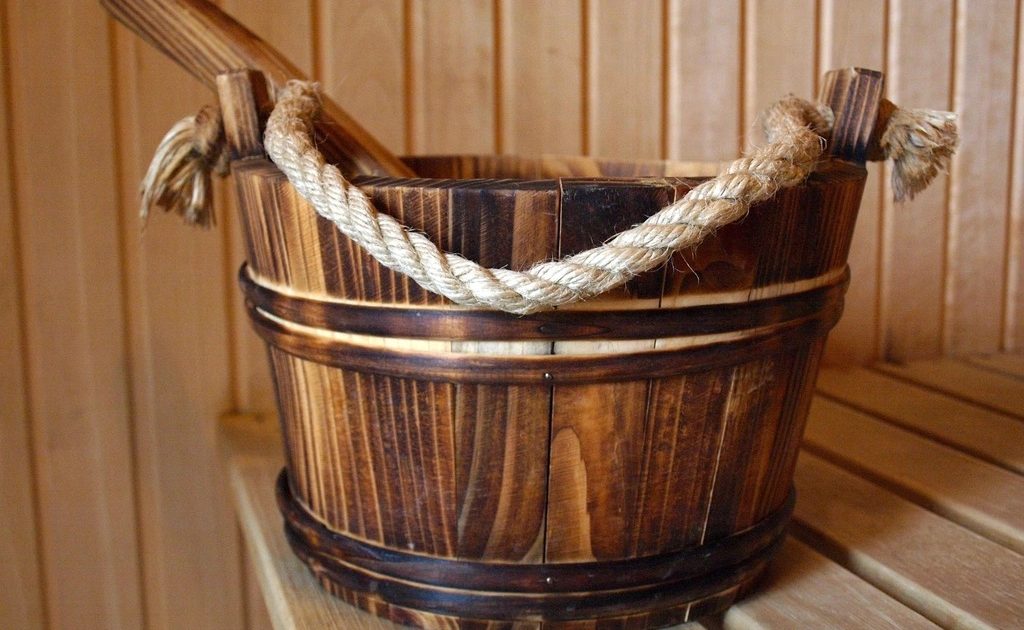
Somewhere between the sauna influencers and the ice-bath influencers, an older idea has been sitting quietly: use both. Alternating hot and cold — contrast therapy — predates every cold-plunge startup by a century or two. Finns have been sprinting from sauna to frozen lake since before “recovery protocol” was a phrase; old-school athletic trainers were alternating hot and cold buckets for sprained ankles before anyone thought to film it.
Now the practice is back, rebranded and priced accordingly. Some of what’s claimed for it holds up. A decent chunk doesn’t. Here’s the sorted version.
What contrast therapy actually is
The classic structure alternates heat exposure with cold exposure in cycles. Common formats:
- Sauna plus cold plunge: 10 to 15 minutes of sauna (typically 170-200°F), then 30 seconds to 2 minutes of cold water (usually 40-55°F), repeated two to four rounds.
- Contrast showers: the apartment version — a few minutes hot, 30 to 60 seconds cold, three or four cycles, cold finish optional and debated with religious intensity.
- Contrast baths for limbs: the physical-therapy original, dunking an arm or leg between warm and cold basins — still used for some injuries and swelling management.
The proposed mechanism is vascular: heat dilates blood vessels, cold constricts them, and cycling between the two produces a pumping action that supposedly flushes metabolic waste and reduces swelling. That mechanism is real at the level of blood vessels doing what blood vessels do. Whether the pumping meaningfully accelerates recovery is where the evidence gets more modest.
What the research supports
Soreness relief: genuinely decent. A meta-analysis of contrast water therapy studies (Bieuzen and colleagues, published in PLoS ONE) found it reduced delayed-onset muscle soreness after exercise compared with doing nothing — comparable to other recovery methods like cold immersion alone. Cochrane’s review of cold-water immersion research reached a similar “helps soreness, modestly” conclusion. If contrast sessions make your legs feel human again after a brutal workout, that’s not placebo alone.
The heat half carries surprising cardiovascular data. The famous Finnish cohort research led by Jari Laukkanen — published in JAMA Internal Medicine — followed over 2,300 middle-aged men for about 20 years and found that frequent sauna use (4 to 7 sessions weekly) was associated with roughly 50 percent lower cardiovascular mortality versus once-weekly use. Association, not proof — sauna-loving Finns may differ in a dozen healthy ways — but the dose-response pattern was striking, and follow-up work keeps pointing the same direction. Heat exposure also mimics moderate exercise: heart rate climbs to 100-150 beats per minute in a hot sauna.
Mood and alertness: real, short-lived. Cold exposure reliably spikes norepinephrine and produces that unmistakable post-plunge clarity. Research consistently shows the acute effect; the durable-mental-health claims remain thin. It feels amazing. That’s allowed to be the reason.
What the marketing added
Now the trims. My gripe with the current contrast-therapy moment is that a pleasant, cheap, moderately useful practice has been dressed up as a metabolic miracle with a $9,000 tub attached. Claims that deserve skepticism:
- “Melts fat via brown adipose tissue.” Cold does activate brown fat, and NIH researchers study this seriously — but the measured calorie effect of practical cold exposure is small. Nobody is plunging their way past their diet.
- “Detoxifies.” Your liver and kidneys handle that; sweat is mostly water and electrolytes. Detox language is the surest tell that you’ve left the evidence zone.
- “Boosts immunity.” One frequently cited Dutch study found cold-shower takers called in sick less — while feeling ill just as often. Interesting, singular, oversold.
And one genuinely important caveat for lifters: taking cold plunges immediately after strength training may work against you. A well-known trial in the Journal of Physiology (Roberts and colleagues, 2015) found post-lifting cold immersion blunted long-term muscle and strength gains compared with active recovery — the inflammation you’re icing away is part of the adaptation signal. Separate hard lifting from cold by several hours, or save plunges for rest days and cardio days.
A sane starter protocol
- Zero-cost version: end your normal shower with 3 rounds of 10 hot breaths / 30 cold seconds. Two weeks. See if you actually enjoy it — adherence is the whole game.
- Gym version: 10-15 minutes sauna, 1-2 minutes cool shower or plunge, rest a couple of minutes, repeat 2-3 rounds. Hydrate; you’ll sweat off real fluid.
- Timing: after cardio or on rest days freely; keep meaningful cold away from the hours right after lifting. Evening sauna tends to help sleep; a hard cold finish is stimulating, so maybe not at 10 p.m.
- Progress by comfort, not machismo. Colder and longer isn’t better past the point of a controlled, breathe-through-it exposure. Shivering violently in minute six earns no bonus adaptation.
Who should check with a doctor first: anyone with cardiovascular disease, uncontrolled blood pressure, or arrhythmias — the cold-shock response spikes heart rate and blood pressure sharply, and sudden immersion is a genuine cardiac stressor. Same for pregnancy, Raynaud’s, and neuropathy that dulls temperature sensing. Never plunge alone in open water, and skip alcohol entirely around sauna-and-cold sessions; that combination sends people to Finnish emergency rooms every year.
How cold does the cold part need to be?
The studies cluster around 50-59°F for immersion, which most tap water approximates in cooler months. Colder isn’t demonstrably better for soreness — it’s just harder to tolerate. Sixty seconds at “unpleasant but breathable” beats ten seconds of gasping at ice-cube temperatures.
Is a contrast shower as good as a sauna-and-plunge setup?
It’s the same idea at lower intensity — smaller temperature swing, shorter heat dose, so you lose the sauna-specific cardiovascular load. For soreness and the mood kick, showers deliver a real fraction of the effect for zero dollars, which by any honest math makes them the better value.
Hot first or cold first?
Convention says start hot, end however you like — finishing cold leaves you alert, finishing warm is kinder before bed. For swelling-focused contrast baths in rehab settings, protocols traditionally end cold. For general recovery, the ordering evidence is thin; pick what you’ll repeat.
How often is too often?
Daily contrast showers are fine for healthy people. Multi-round sauna sessions 3 to 5 times weekly matches the range with the best cohort data. Listen for the obvious flags — dizziness, headaches, sleep disruption — and remember it’s a supplement to training, sleep, and food, not a substitute for any of them.
Related reading
Affiliate & medical disclosure: This review is independent and for information only, not medical advice. Some links may be affiliate links; we may earn a commission at no cost to you, which never affects our score. Consult a licensed provider before starting any product.