Vegetables First: An Eating-Order Habit That Helps More Than Blood Sugar
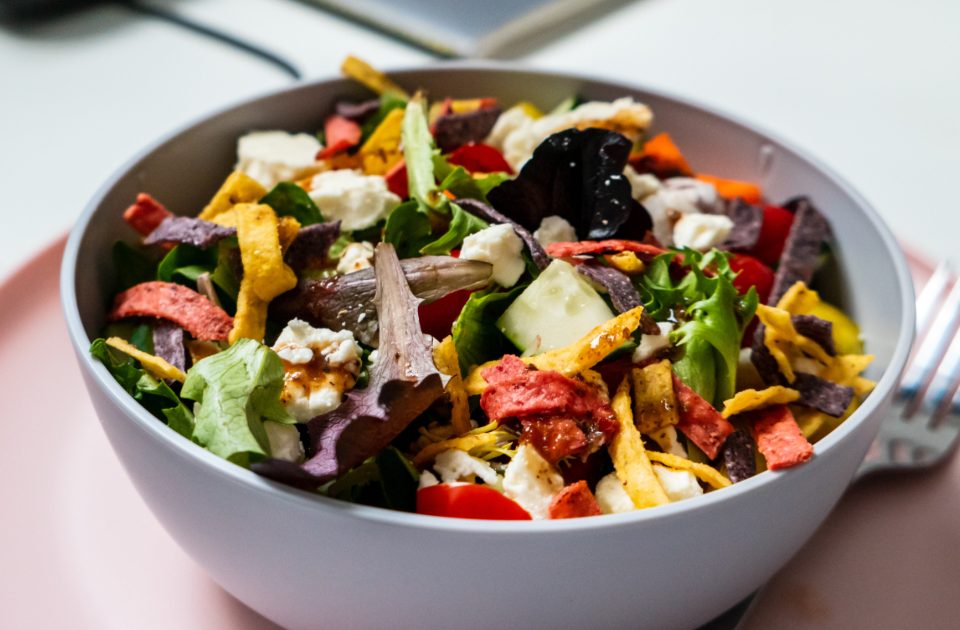
Diet advice usually asks you to change what you eat, how much of it, or when. All three are hard, which is why most of it fails by March. There’s a fourth lever almost nobody pulls: the order the food goes in. Same plate, same calories, vegetables first — and a surprising amount of physiology tilts quietly in your favor.
The blood-sugar side of this trick gets most of the press. But for people whose main goal is eating less without feeling policed, the more interesting story is what vegetables-first does to appetite. It’s the rare weight-management tactic that costs nothing, bans nothing, and hides inside a meal you were eating anyway.
The preload effect: filling the tank with the cheap stuff
Nutrition researchers call it a “preload” — food eaten at the start of a meal that changes how much you eat afterward. The classic work comes from Barbara Rolls’ lab at Penn State, which spent years demonstrating that starting a meal with a large, low-calorie salad or a broth-based soup reliably cut total meal calories. In one frequently cited trial, a big low-energy-dense salad eaten before pasta reduced overall intake at that meal by around 11 percent compared with skipping the starter. Not through discipline. Through stomachs.
The mechanics are unglamorous and effective:
- Volume and stretch. Fiber and water physically occupy stomach space, triggering stretch receptors that feed into fullness signaling well before the entrée arrives.
- Time. Satiety hormones need roughly 20 minutes to catch up with eating. Vegetables eaten first put slow, chewy minutes on the clock exactly when you’d otherwise be inhaling the densest food on the plate hungry.
- Hunger-directed eating. You meet your appetite’s sharpest edge with 30-calorie-per-cup food instead of 300-calorie-per-cup food. By the time you reach the rice and the protein, the desperate phase of the meal is over.
Yes, the blood-sugar thing is real too
Briefly, because it’s the well-covered half: eating vegetables and protein before carbohydrates measurably flattens the post-meal glucose curve. A small but influential Weill Cornell study led by Alpana Shukla found that in adults with type 2 diabetes, eating carbs last dropped post-meal glucose by roughly 30 to 40 percent versus carbs first — same food, different order. Fiber slows gastric emptying, so the same carbs arrive at a stroll instead of a stampede. Research consistently supports the direction of the effect, and for anyone managing prediabetes it’s worth its own conversation with a provider.
The underrated connection is that flatter glucose curves and appetite aren’t separate stories — sharp spikes and dips correlate with earlier return of hunger in several studies. Steadier absorption is part of why the vegetables-first meal holds you longer.
Making it work at an actual dinner table
The habit succeeds or fails on logistics, so here’s the practical version:
- Put a real portion up front. A garnish doesn’t preload anything. Aim for one to two cups of vegetables — a side salad with light dressing, roasted broccoli, cucumber and tomatoes, leftover stir-fry veg, a bowl of vegetable soup. Frozen-and-microwaved absolutely counts.
- Eat them as a course, not a co-star. The order only exists if the vegetables actually go first. Restaurant trick: salad or a broth soup as a starter, entrée after — restaurants have accidentally run this protocol forever.
- Protein second, starch last if you want the full sequencing effect. In practice, “vegetables first, everything else after” captures most of the benefit with none of the ceremony.
- Season like you mean it. Nobody sustains a habit of joyless naked lettuce. Olive oil and vinegar, lemon, chili crisp, parmesan — a dressed vegetable that gets eaten beats a virtuous one that doesn’t.
Bonus: the habit quietly fixes the vegetable-quantity problem too. Per CDC surveillance data, only about one in ten American adults hits recommended vegetable intake. Moving vegetables to the meal’s opening slot — when hunger does the selling — is the easiest consumption increase most people will ever find.
An honest sizing of the effect
Time for the caveat section, because this tactic attracts overstatement. Meal sequencing will not overturn a diet that’s structurally overbuilt — a vegetables-first order on a 1,400-calorie takeout meal is rearranging deck furniture. The preload studies show reductions on the order of 10 percent at that meal, not 40. Effects are strongest for people who eat fast, eat large dinners, or arrive at meals very hungry; slow, moderate eaters have less slack for the trick to absorb.
And my genuine gripe with how this idea circulates: the glucose-graph influencers have turned food order into a moral drama, treating every carb-first bite as self-sabotage worthy of a continuous glucose monitor screenshot. For healthy people, a birthday slice eaten cake-first is fine. The order trick is a gentle, background-level advantage you bank at routine meals — not a rule whose violation deserves anxiety. Tools that make people scared of fruit have left the evidence behind.
Who benefits most, realistically: fast eaters, buffet and restaurant regulars, evening over-eaters, anyone with prediabetes (with medical guidance), and people who want a first step toward eating better that requires zero foods to be given up. Who can skip it: anyone for whom it adds stress, and anyone already satisfied and steady with how they eat.
Does the vegetable have to be a salad?
No — cooked vegetables, vegetable soup, crudités, even a plain tomato sliced with salt all preload fine. The criteria are volume, fiber, and low calorie density. A cheese-heavy Caesar with croutons is a tasty appetizer but a weak preload; it’s dense enough to be part of the problem it’s solving.
How big should the vegetable course be?
One to two cups is the studied ballpark — enough to genuinely occupy stomach space and a few minutes of chewing. Below that, you’re mostly performing the ritual without the physiology.
Does drinking water first do the same thing?
Partially. Water preloads (about two cups before meals) have modestly reduced meal intake in trials, especially in middle-aged and older adults. Water empties from the stomach faster than fibrous food, though, so the effect fades quicker. Water plus vegetables beats either alone.
Will eating carbs last help me lose weight by itself?
By itself, probably little — total intake still runs the scoreboard. What sequencing does is make moderate portions feel like enough, which makes the intake that drives weight easier to sustain without feeling deprived. It’s a lever, not an engine.
Related reading
Affiliate & medical disclosure: This review is independent and for information only, not medical advice. Some links may be affiliate links; we may earn a commission at no cost to you, which never affects our score. Consult a licensed provider before starting any product.