Does Skincare Expire? How to Read PAO Symbols and When to Toss Old Products
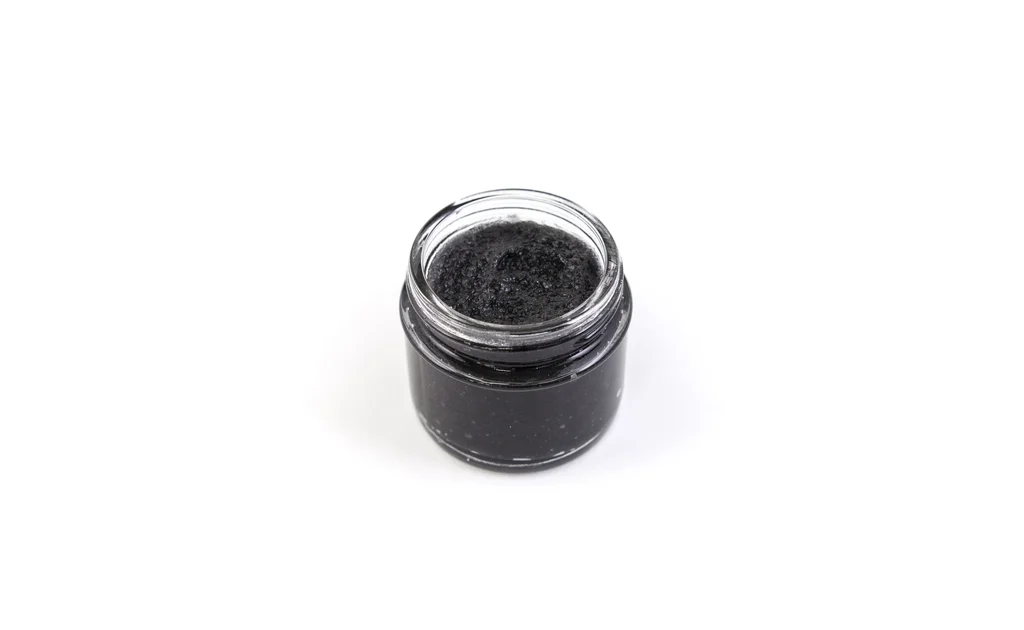
That vitamin C serum in the back of your cabinet, the sunscreen from two summers ago, the eye cream you’ve had since a job you no longer work — do any of them still work the way they’re supposed to? Skincare products absolutely expire, but not in the dramatic, obvious way food does. Instead, active ingredients quietly degrade, textures separate, and preservative systems break down, often with no visible sign until the product stops doing its job or starts irritating your skin.
Most people have no idea how to actually check a product’s shelf life, because the information isn’t printed the way it is on groceries. This guide explains how to read the tiny symbols that do tell you, which ingredients degrade fastest, and a practical system for clearing out what’s expired without tossing products that still have life left.
The Symbol Hiding on Every Bottle: What “PAO” Means
Look on the back or bottom of most skincare packaging and you’ll find a small jar icon with a number followed by the letter “M” — like “12M” or “24M.” This is the Period After Opening (PAO) symbol, and it tells you how many months a product remains safe and effective after you first break the seal, not from its manufacture date.
A separate, less common marking is an actual expiration date, often used for products regulated more like drugs, such as sunscreen (which the FDA regulates as an over-the-counter drug in the United States). If a product has both, the sooner date generally applies.
- PAO symbol (jar icon + number): Months of safe use after opening
- Batch code: A separate stamped code that lets you look up the actual manufacture date via the brand’s website or a batch-code checker, useful when a product has no PAO symbol
- Printed expiration date: Common on sunscreen and some drug-adjacent products; this is a hard cutoff regardless of PAO
Why Skincare Actually Degrades
Unlike food, most skincare doesn’t grow visibly moldy when it expires (though this can happen). More often, three things happen quietly: active ingredients oxidize and lose potency, preservative systems that keep bacteria and fungus in check break down over time, and emulsions (the mixture of oil and water in creams) can separate or change texture.
Exposure to air, light, heat, and repeated finger-dipping into jars all accelerate this process. A product kept in a steamy bathroom and opened daily will degrade faster than the same product stored in a cool, dark drawer.
Which Ingredients Expire Fastest
Shelf life varies enormously by formula. Some categories are especially prone to losing effectiveness or becoming irritating once expired:
- Vitamin C (L-ascorbic acid) serums: Highly unstable; often oxidize within 3-6 months of opening, signaled by a color change to yellow or brown and a change in smell
- Retinol and retinoids: Degrade with light and air exposure, gradually losing potency, typically within 6-12 months of opening
- Natural or “clean” formulations with fewer synthetic preservatives: Often have shorter safe-use windows because they rely on less aggressive preservation
- Sunscreen: Active UV filters can degrade, directly reducing protection; expired sunscreen is a genuine safety issue, not just a texture inconvenience
- Sealed, preservative-heavy formulas (cleansers, some moisturizers): Tend to last longest, often 12-24+ months after opening
Signs a Product Has Expired, Even Without Checking the PAO
If you’ve lost track of when you opened something, your senses are a reasonably reliable backup:
- A noticeable change in smell, especially a sour, rancid, or “off” odor
- Separation of texture — watery liquid pooling on top of a cream, or a gritty, clumpy consistency
- A significant color change, such as a vitamin C serum turning dark yellow or brown
- New irritation, stinging, or breakouts from a product that never bothered your skin before
Any one of these is a reasonable signal to stop using the product, even if you’re unsure of the exact PAO timeline.
Why Using Expired Skincare Matters More Than People Think
Beyond simply wasting money on a product that no longer works as intended, using expired skincare carries two real risks. First, broken-down preservative systems can allow bacterial or fungal growth, particularly in jar packaging where fingers repeatedly contact the product — a meaningful concern for anyone with acne-prone or compromised skin. Second, and more commonly overlooked, expired sunscreen may no longer provide its labeled SPF protection, leaving skin more vulnerable to UV damage than the label suggests. The American Academy of Dermatology and similar dermatology bodies generally recommend replacing sunscreen annually and checking expiration dates before each summer season, given how directly its effectiveness ties to sun protection.
How to Apply This: A Simple Skincare Shelf-Life Audit
Set aside 15 minutes to go through your skincare shelf using this process:
- Pull everything out and check each product for a PAO symbol (jar icon with a number and “M”).
- Write the date you opened each product on the bottom with a permanent marker — this is the single most useful habit for tracking shelf life going forward.
- Prioritize checking vitamin C, retinoids, and sunscreen first, since these degrade fastest and matter most for effectiveness and safety.
- Smell and inspect texture for anything you’re unsure about, and discard anything showing separation, off odors, or color changes.
- Store remaining products away from direct sunlight and heat (not on a sunny windowsill or in a hot car) to slow degradation going forward.
- Buy smaller sizes of fast-degrading actives like vitamin C serum if you tend to use them slowly, so you finish the bottle before it expires.
A Note on Individual Variation
Skin sensitivity varies significantly between people, and someone with reactive or compromised skin may notice problems from a borderline-expired product sooner than someone with more resilient skin. If you experience unexplained irritation, redness, or breakouts, consider your product’s age as one possible factor, and consult a dermatologist if symptoms persist or worsen.
How long does an unopened skincare product last?
Generally 2-3 years if stored properly, though this varies by formula. Once opened, the PAO symbol becomes the more relevant guide, since exposure to air and repeated use is what accelerates degradation.
Does sunscreen really expire?
Yes, and it matters more than with most other products. Because sunscreen is regulated as an over-the-counter drug in many countries, its active UV filters are required to remain effective through the labeled date, but once expired, protection can no longer be guaranteed. Dermatology guidance generally recommends replacing sunscreen at least annually.
Can I still use a product past its PAO date if it looks fine?
It’s a judgment call with some risk. The PAO date is a general safety guideline, not a hard cutoff, but products past this window are more likely to have reduced preservative effectiveness even without visible changes. For actives like vitamin C or sunscreen, it’s generally safer to replace them on schedule rather than rely on appearance alone.
Why do jar products expire faster than pump or tube products?
Jars require repeated finger contact, which introduces bacteria and accelerates contamination and preservative breakdown, while pumps and tubes limit air and finger exposure. This is why many dermatologists recommend pump or airless packaging for actives you want to preserve longer.
Related reading
Affiliate & medical disclosure: This review is independent and for information only, not medical advice. Some links may be affiliate links; we may earn a commission at no cost to you, which never affects our score. Consult a licensed provider before starting any product.