Pickleball and Fitness: Why the Fastest-Growing Sport Doubles as a Full-Body Workout
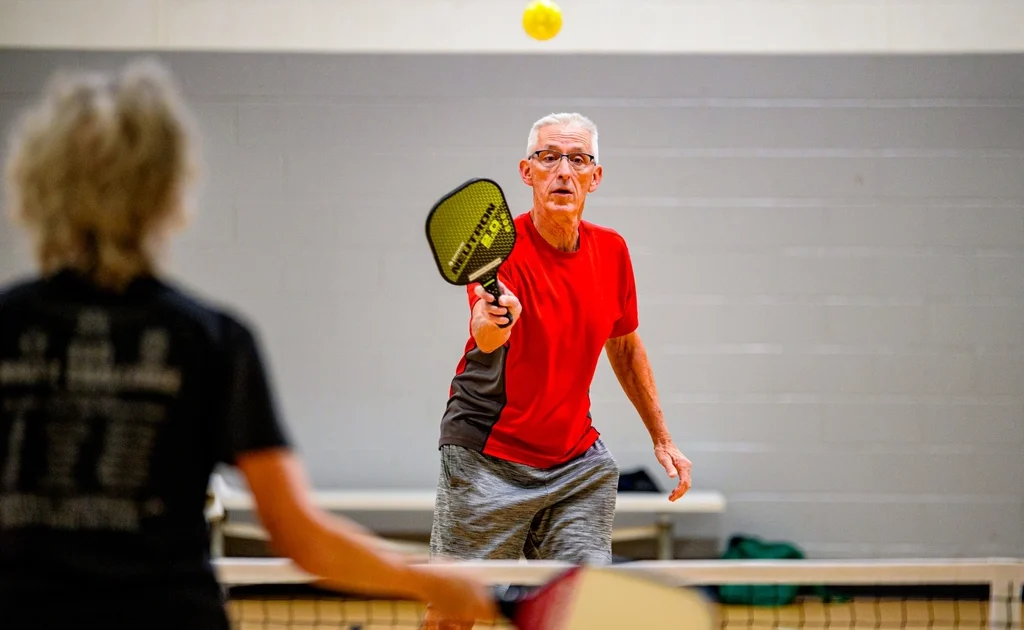
Pickleball courts have popped up in parks, converted tennis courts, and even old strip-mall parking lots over the past few years, and the sport is now one of the fastest-growing recreational activities in the country. A common mistake newcomers make is assuming it is a low-effort, backyard-barbecue game because the court is small and the ball is plastic. In reality, a competitive pickleball rally involves sudden sprints, quick direction changes, and reaction-based footwork that can rival many structured cardio workouts.
Because it blends cardio, agility, and light resistance-style movement into a genuinely fun, social format, pickleball has become a useful entry point for people who find traditional gym workouts boring or intimidating. This article looks at what the sport actually does for your fitness, who benefits most, and how to get started safely.
The Cardiovascular Demands of Pickleball
Despite the smaller court size compared to tennis, pickleball rallies are fast. Points are often decided by quick reflexes at the net rather than long baseline exchanges, which creates short bursts of high effort followed by brief recovery, a pattern similar to interval training. Research on recreational pickleball players has found that heart rates during play frequently reach moderate-to-vigorous intensity zones, meeting a meaningful portion of the World Health Organization’s (WHO) recommendation of at least 150 minutes of moderate-intensity activity per week.
Because the intensity is largely self-paced and social, many players sustain longer total playing time than they might tolerate on a treadmill, which can translate into more accumulated weekly activity without it feeling like structured exercise.
Agility, Balance, and Reaction Time
Pickleball requires constant lateral movement, quick pivots, and split-second reactions to a ball that can change direction unpredictably off an opponent’s paddle. This kind of multidirectional movement challenges balance and coordination in ways that steady-state cardio, like walking or cycling, does not.
Agility and reaction training have documented benefits for fall prevention and functional independence, particularly in older adults, which partly explains why pickleball has become especially popular among people in their 50s, 60s, and beyond. Improving reactive footwork and balance is associated with a lower risk of falls, a significant public health concern as people age.
- Lateral shuffles and quick pivots build ankle and knee stability
- Overhead and reaching shots improve shoulder mobility
- Split-step footwork before each return sharpens reaction time
Muscular Engagement and Light Resistance Work
While pickleball is not a substitute for structured strength training, it does engage the legs, core, and shoulders repeatedly throughout a match. Lunging for low shots, holding a ready position between points, and generating paddle-swing power all recruit muscles that benefit from regular use. Over time, consistent play can help maintain functional lower-body strength, particularly when combined with two to three weekly sessions of dedicated resistance training, which most major health organizations recommend for adults of all ages.
The Academy of Nutrition and Dietetics and public health guidelines generally emphasize that activity variety, mixing cardio, strength, and balance work, produces the best overall health outcomes, and pickleball can reasonably contribute to two of those three categories in a single session.
Social and Mental Health Benefits
One of the most underrated aspects of pickleball is its social structure. Games are typically played in doubles, in short rotations, with frequent breaks for conversation between points and games. Research consistently shows that social connection is strongly linked to better mental health outcomes and even long-term physical health, with loneliness increasingly recognized as a public health concern comparable in impact to other well-known risk factors.
Combining physical activity with social interaction may amplify mood benefits beyond what either exercise or socializing provides alone, which could help explain why many recreational players report high satisfaction and long-term adherence to the sport compared to solo workouts.
How to Apply This: Getting Started Safely
If you are new to pickleball or returning to activity after time away from sport, a gradual, structured start reduces the risk of overuse injuries, particularly to the shoulder, elbow, and Achilles tendon, which are common trouble spots for new players.
- Warm up for 5-10 minutes with light jogging, dynamic lunges, and arm circles before playing.
- Start with recreational doubles rather than singles, which is lower-impact and easier on the joints.
- Limit your first few sessions to 30-45 minutes and monitor soreness the next day.
- Invest in supportive court shoes designed for lateral movement, not running shoes, to reduce ankle-roll risk.
- Add two weekly strength sessions targeting legs, shoulders, and core to support the demands of the sport.
As with any new activity, people with existing joint issues, heart conditions, or those who have been sedentary for a long time should consult a healthcare provider before jumping into frequent, vigorous play.
Who Benefits Most From Playing
Pickleball’s appeal spans a wide age range because it is easy to learn but has real depth for advanced players. For older adults, it offers accessible cardio and balance work in a social setting. For younger, deconditioned adults, it provides a fun on-ramp to consistent activity without the intimidation factor of a gym. For people already fit, competitive singles play can be genuinely demanding conditioning work.
Individual results vary based on how often you play, intensity of play, and existing fitness level, so pickleball is best viewed as one valuable piece of an overall active lifestyle rather than a complete fitness program on its own.
Is pickleball enough exercise on its own?
For many people, regular pickleball play can meet a substantial portion of weekly cardio recommendations. However, combining it with dedicated strength training two to three times a week provides more complete, well-rounded fitness benefits.
What are the most common pickleball injuries?
Ankle sprains, Achilles tendon strain, and shoulder or elbow overuse issues are among the most reported injuries, often linked to insufficient warm-up or sudden increases in playing frequency.
Can beginners really get a good workout from pickleball?
Yes. Even recreational, beginner-level play involves enough movement and heart-rate elevation to count as moderate-intensity activity for most people, especially compared to a sedentary baseline.
How often should I play to see fitness benefits?
Playing two to three times per week, for 30-60 minutes per session, is a reasonable starting frequency that aligns with general physical activity guidelines, while still allowing time for recovery and strength work.
Related reading
Affiliate & medical disclosure: This review is independent and for information only, not medical advice. Some links may be affiliate links; we may earn a commission at no cost to you, which never affects our score. Consult a licensed provider before starting any product.