The Bulgarian Bag and Rotational Training: Building Athletic Power
Walk into most gyms and you’ll see the same tools repeated endlessly: barbells, dumbbells, machines built to move weight in a single straight line. Yet almost nothing you do outside the gym — swinging a golf club, twisting to grab something off a shelf, catching yourself when you stumble — happens in a straight line. That mismatch is exactly the gap the Bulgarian bag and other rotational tools are designed to close.
The Bulgarian bag is a crescent-shaped, sand-filled training tool developed for wrestlers, but it has quietly spread into general strength and conditioning programs because it forces the body to control weight through swinging, twisting, and rotational patterns that traditional weights rarely demand.
Why Rotational Training Is Often Missing From Fitness Programs
Most strength programs are built around the sagittal plane — forward and backward movement, like squats, presses, and deadlifts. Far fewer include meaningful work in the transverse plane, which governs rotation and twisting. Movement specialists and physical therapists have increasingly pointed out that this imbalance leaves people strong in the gym but underprepared for the twisting, reaching, and reactive movements of daily life and sport.
Research consistently shows that rotational power — the ability to generate and control force through a twist — is closely tied to athletic performance in sports involving throwing, swinging, or striking, and is also relevant to reducing lower back strain during everyday twisting movements.
What Makes the Bulgarian Bag Different
Unlike a barbell or dumbbell, the Bulgarian bag’s crescent shape and shifting sand fill mean the resistance is never perfectly stable. Every swing, spin, or throw requires the stabilizing muscles of the core, shoulders, and hips to work continuously to control the bag’s momentum, not just move it from point A to point B.
- The unstable load recruits stabilizer muscles more than a fixed-weight tool.
- Ballistic swings and spins build rotational power, not just rotational strength.
- The wraparound grip design allows movements that would be awkward or unsafe with a barbell.
Common Bulgarian Bag and Rotational Exercises
You don’t need years of training experience to start incorporating rotational tools, but form matters more here than with many traditional lifts because momentum is part of the exercise.
- Bag swings: A hip-hinge movement similar to a kettlebell swing, but with a wider, more dynamic arc.
- Spins: Rotating the bag around the body at shoulder height, building rotational endurance and shoulder stability.
- Snatches and throws: Explosive, full-body movements that develop power output through the hips and core.
- Rotational lunges with a twist: Combining a lower-body strength movement with a controlled torso rotation.
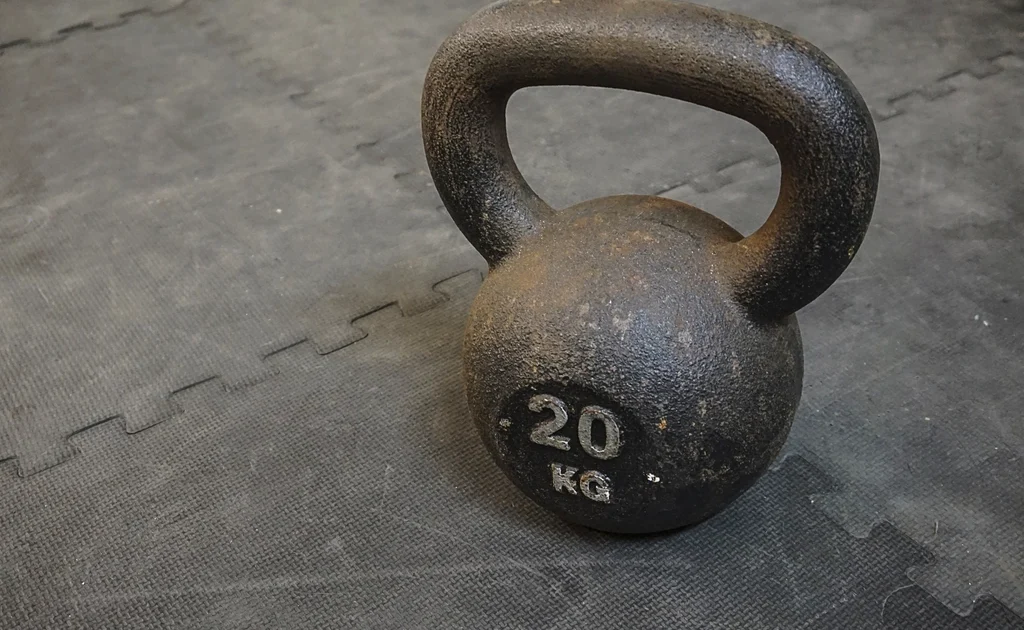
If you don’t have access to a Bulgarian bag, a sandbag, medicine ball, or even a heavy kettlebell can be used to practice many of the same rotational patterns.
Who Benefits Most From This Kind of Training
Rotational training tends to be most valuable for athletes in sports involving throwing, striking, or swinging — golf, tennis, baseball, and combat sports among them — but it also has broad relevance for general fitness. Many everyday injuries, particularly to the lower back, occur during twisting movements combined with lifting, and building strength and control through rotation may help reduce that risk, though individual injury history and existing conditions should always be considered.
The National Institutes of Health and various physical therapy guidelines note that a well-rounded exercise program addressing multiple planes of movement — not just forward and backward — is associated with better functional movement outcomes as people age, since daily life rarely confines movement to a single plane.
This matters even for people who never set foot on a court or a field. Reaching into the back seat of a car, lifting a child out of a crib, or catching a slipping grocery bag are all rotational or semi-rotational movements. Building strength and coordination through a full range of motion — rather than only the narrow lanes used by most gym machines — can make those ordinary moments feel less like a gamble and more like something the body is actually prepared for.
Programming Rotational Work Safely
Because rotational and ballistic movements generate more momentum than controlled lifts, they carry a different injury profile. Starting with lighter loads and slower tempos before progressing to explosive swings and throws is a reasonable way to build the coordination needed to control the movement safely.
- Warm up the hips, thoracic spine, and shoulders specifically before rotational work.
- Start with 2-3 sets of 8-10 controlled reps per side before adding speed or load.
- Avoid rotational training on days when the lower back already feels irritated or fatigued.
- Prioritize a full, controlled range of motion over speed until the movement pattern feels stable and repeatable.
It’s also worth pacing progression by weeks, not sessions. Many coaches suggest spending two to four weeks on slow, deliberate reps before introducing any ballistic speed, since the connective tissue around the spine and shoulders typically adapts more slowly than muscle strength does. Rushing this stage is one of the more common reasons people experience soreness or minor strains when they first try rotational tools.
How to Apply This: A Sample Rotational Training Add-On
You don’t need to replace your existing program — rotational work fits well as an add-on two to three times a week.
- 5-minute dynamic warm-up focusing on hip and thoracic rotation.
- 3 sets of 10 Bulgarian bag or sandbag swings.
- 3 sets of 8 spins per direction (or medicine ball rotational throws against a wall).
- 2 sets of 8 rotational lunges per side.
- Finish with 5 minutes of controlled stretching for the hips and lower back.
As with any new training style, individual response varies, and anyone with an existing back or shoulder injury should check with a physical therapist or physician before adding ballistic rotational work.
Is a Bulgarian bag better than a kettlebell for rotational training?
Not necessarily better — just different. Kettlebells are excellent for hinge-pattern power, while the Bulgarian bag’s shape makes swinging, spinning, and wraparound movements more natural and comfortable.
Can beginners safely use rotational training tools?
Yes, as long as they start light and prioritize control over speed. Rotational movements reward good technique more than heavy load, especially early on.
How often should rotational training be done each week?
Two to three sessions a week is typically enough to see coordination and strength improvements without overloading the spine and shoulders, which need adequate recovery time between sessions.
Does rotational training help with lower back pain?
It may help build resilience against certain twisting-related strains when done properly, but it is not a treatment for existing back pain. Anyone with current back issues should consult a healthcare provider before starting.
Related reading
Affiliate & medical disclosure: This review is independent and for information only, not medical advice. Some links may be affiliate links; we may earn a commission at no cost to you, which never affects our score. Consult a licensed provider before starting any product.