Slumber Sleep Aid Review: Does the CBN Sleep Cannabinoid Actually Deliver?
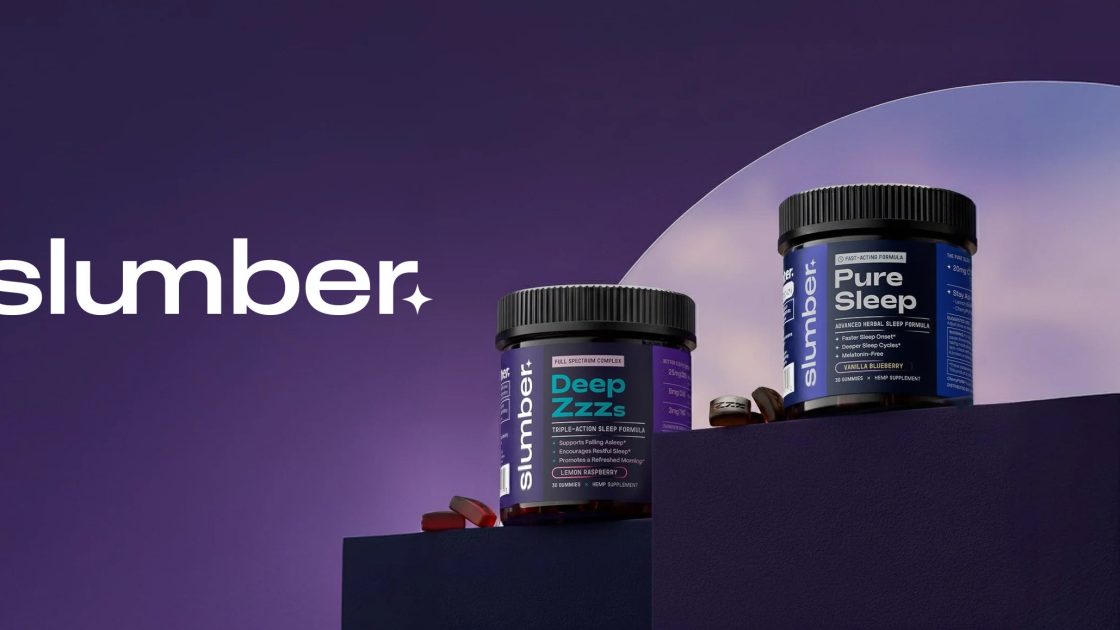
Melatonin dominates the sleep aisle, but it has a well-documented limitation: it helps you fall asleep by nudging your circadian timing, and does comparatively little for staying asleep. Slumber built an entire brand around a different molecule — CBN, the cannabinoid increasingly marketed as sleep-specific — and backs it with an unusual amount of published data for a supplement company.
We looked at the formulations, the sleep-study claims, and the price, to answer the only question that matters: is this meaningfully better than the $12 bottle of melatonin at the pharmacy?
What Slumber sells
The lineup covers gummies, tinctures, capsules and powders, alongside a smaller daytime range for energy and focus. The active ingredients cluster around CBN, CBD, THC in select products, magnesium glycinate, and proprietary blends the brand calls Maizinol® and RestorePlex™. The flagship formula, Deep Zzzs, combines multiple cannabinoids with supporting plant compounds.
Pricing runs $29 to $75 per product, with a subscription discount of roughly 30% — a $60 product drops to about $45 monthly.
The CBN case, honestly assessed
CBN is a minor cannabinoid formed as THC ages. Its reputation as ‘the sleep cannabinoid’ is partly folklore and partly emerging research, and the evidence base is much younger than CBD’s. Slumber’s own claims rest on an independent sleep study reporting 72 additional minutes of sleep per night and 47% fewer nighttime wake-ups.
Those are strong numbers, and worth two caveats: brand-commissioned studies are not the same as independent peer-reviewed replication, and sleep outcomes are notoriously sensitive to placebo effects. That said, commissioning a study at all puts Slumber ahead of most competitors, who publish nothing.
The supporting cast matters as much as the CBN
Magnesium glycinate is the quiet workhorse here. Magnesium supports normal nerve and muscle function, and the National Institutes of Health notes that a substantial share of US adults consume less than the recommended amount from diet alone. Glycinate is among the better-tolerated forms — less likely to cause the digestive upset associated with magnesium oxide.
For context on why any of this matters: the CDC reports that roughly one in three US adults does not get enough sleep, and the National Sleep Foundation recommends 7-9 hours for most adults. That gap is the market Slumber is selling into.
How to use it properly
- Take it 30-60 minutes before your target bedtime, at the same time nightly for at least two weeks before judging.
- Fix the free variables first — consistent wake time, a dark cool room, and no screens for the last hour move sleep quality more than any supplement.
- Start at the lowest suggested serving, especially with THC-containing formulas.
- Track results honestly: a simple note of bedtime, wake time and how you felt beats guessing.
- If you take prescription medication, check with your provider first — cannabinoids can interact with some drugs.
Price reality check
At $29-$75 per product, Slumber is priced well above commodity melatonin and roughly in line with premium CBD brands. The subscription discount makes the ongoing cost more palatable, but this is a considered purchase rather than an impulse buy. The honest framing: you are paying for a cannabinoid formulation with brand-commissioned data behind it, not for a cheaper version of what you already tried.
Who should buy it
- Strong fit: adults who fall asleep fine but wake repeatedly, people for whom melatonin does nothing or leaves them groggy, and buyers who want third-party lab testing and medical oversight rather than a mystery blend.
- Weak fit: anyone needing a budget option, anyone who must avoid THC entirely (check each product), and anyone hoping a supplement will substitute for treating an underlying sleep disorder.
Pros and cons
What we liked
- Genuine formulation logic — CBN plus magnesium glycinate rather than melatonin megadoses
- Brand-commissioned sleep study with published figures
- Multiple formats: gummies, tinctures, capsules, powders
- Third-party lab testing and stated medical oversight
- Subscription pricing softens the premium
What could be better
- Premium pricing versus mainstream sleep aids
- CBN research is younger and thinner than CBD research
- Proprietary blends limit dose transparency
- Some products contain THC — read labels if that matters to you
Our verdict
Slumber is a serious attempt at a hard problem, and the ingredient choices suggest people who actually understand sleep rather than marketers chasing a trend. Set expectations at ‘meaningful improvement for some people’ rather than ‘cure’, fix your sleep hygiene alongside it, and it is one of the more defensible premium sleep purchases on the market. Persistent insomnia, though, deserves a clinician rather than a subscription.
Safety and when to see a doctor instead
Cannabinoid supplements are not evaluated by the FDA to diagnose, treat or cure any condition, and individual response varies widely. Check your local laws, start at the lowest suggested serving, and speak to a healthcare provider before use if you are pregnant, nursing, taking prescription medication — particularly sedatives, blood thinners or antidepressants — or managing a diagnosed condition.
There is also a line worth drawing clearly. Occasional restless nights are normal and respond well to habit changes and, for some people, a supplement. Persistent insomnia lasting more than three months, loud snoring with daytime exhaustion, or waking gasping for breath are different problems entirely — sleep apnoea and chronic insomnia are medical conditions with effective treatments, and no cannabinoid formula substitutes for a diagnosis. If your sleep problem has lasted months rather than weeks, the highest-value purchase is a clinician’s time, not another bottle. This review is information, not medical advice.
Frequently asked questions
What is CBN?
Cannabinol, a minor cannabinoid formed as THC ages, marketed as sleep-specific. Research is emerging rather than settled, so treat strong claims cautiously.
Does Slumber contain THC?
Select products do. Check each product label if you need to avoid THC for personal, workplace or legal reasons.
How much does Slumber cost?
Products range from $29 to $75, with subscriptions saving roughly 30% — for example a $60 product at about $45 per month.
Is it better than melatonin?
It targets a different problem. Melatonin mainly helps sleep onset; Slumber’s formulas aim at sleep depth and staying asleep. Neither replaces good sleep habits.
How long before it works?
Give it at least two weeks of consistent nightly use before judging, and track results rather than relying on impressions.
Related reading
Affiliate & medical disclosure: This review is independent and for information only, not medical advice. Some links may be affiliate links; we may earn a commission at no cost to you, which never affects our score. Consult a licensed provider before starting any product.