The Vagus Nerve and Stress: How to Activate Your Body’s Calm Response
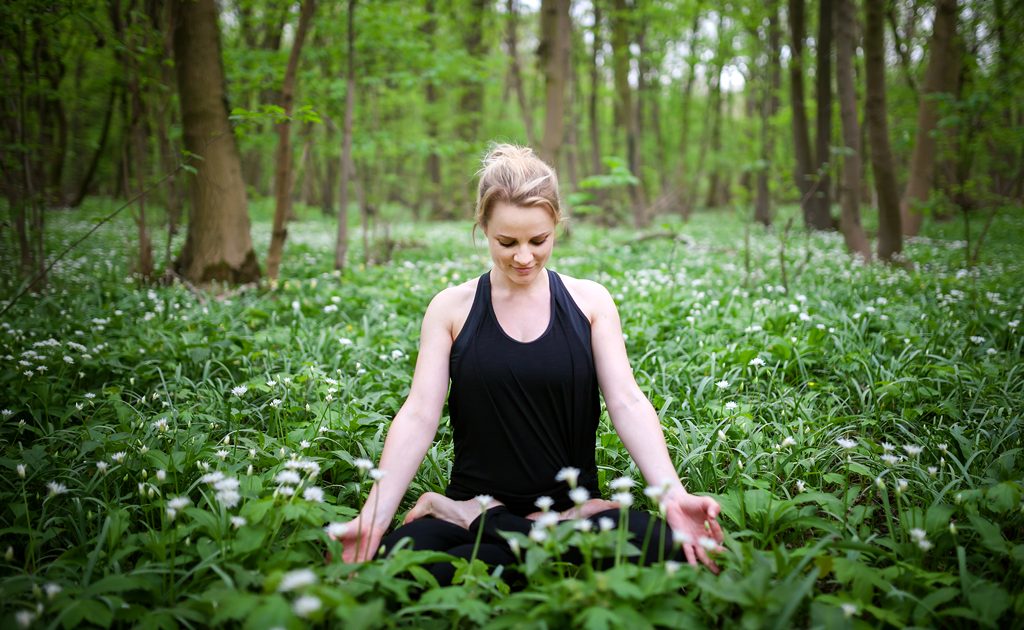
Your body has a built-in “off switch” for stress, and most people never learn how to use it. It runs along the vagus nerve, a long, wandering nerve that connects the brain to the heart, lungs, and gut — and it’s a major reason why a few slow breaths can measurably calm you down when a racing mind can’t.
Chronic stress is a significant public health concern; the WHO recognizes stress-related conditions as a major contributor to poor health outcomes worldwide, and research consistently shows that people who regularly practice calming techniques report better stress resilience over time. Understanding how the vagus nerve works gives you a practical, physical lever to pull when stress spikes — not just a mindset to adopt.
What the Vagus Nerve Actually Does
The vagus nerve is the primary highway of the parasympathetic nervous system — the “rest and digest” counterpart to the “fight or flight” sympathetic system. It runs from the brainstem down through the neck and chest into the abdomen, touching the heart, lungs, and digestive organs along the way.
When the vagus nerve is well-activated, it slows heart rate, supports steady digestion, and helps the body shift out of a stressed, alert state. “Vagal tone” refers to how responsive this system is — higher vagal tone is generally associated with better stress recovery and emotional regulation, while chronically low vagal tone has been linked in research to poorer stress resilience.
- Connects brainstem to heart, lungs, and digestive tract
- Drives the parasympathetic “rest and digest” response
- Higher vagal tone is associated with faster recovery from stress
- Can be influenced voluntarily through breathing and other techniques
How Stress Hijacks the Nervous System
When you perceive a threat — real or imagined, physical or emotional — the sympathetic nervous system activates, releasing stress hormones like adrenaline and cortisol, increasing heart rate, and redirecting blood flow toward muscles. This response is useful for genuine emergencies, but modern life often triggers it for deadlines, traffic, or difficult conversations, none of which benefit from a full physiological alarm.
The trouble is that this system doesn’t distinguish well between a real threat and a stressful email. Left unchecked, repeated activation without adequate recovery is associated with elevated blood pressure, disrupted sleep, and a general sense of being “on edge.” The National Sleep Foundation notes that chronic stress and poor sleep frequently reinforce each other, making it harder for the body to downshift at night.
How to Stimulate the Vagus Nerve
The most well-supported and accessible method is slow, deep breathing — specifically extending the exhale longer than the inhale. Longer exhales activate the vagus nerve and help shift the body toward its calming parasympathetic state, which is why breathing techniques feature so heavily in stress-management guidance.
Beyond breathing, several other simple techniques are commonly recommended for supporting vagal tone. None of these are magic switches, but consistent practice over weeks tends to produce more noticeable benefits than occasional use.
- Slow diaphragmatic breathing with a longer exhale than inhale (for example, inhale for 4 counts, exhale for 6-8)
- Humming, chanting, or gargling, which engage muscles connected to vagal pathways in the throat
- Cold exposure, such as splashing cold water on the face
- Gentle movement like yoga or stretching combined with slow breathing
- Social connection and laughter, both linked to improved vagal activity in general research
A Simple Daily Practice
You don’t need special equipment or a lot of time to start working with this system. A short, consistent daily practice tends to be more effective than an occasional long session, since the goal is training a pattern the nervous system can access more easily under real stress.
- Sit comfortably and place one hand on your chest, one on your belly
- Inhale slowly through the nose for a count of 4, letting the belly expand
- Exhale slowly through the mouth or nose for a count of 6-8
- Repeat for 5-10 breath cycles, or roughly 2-3 minutes
- Practice once in the morning and once during a stressful moment to build the habit
- Over several weeks, notice whether recovery from stressful moments feels faster
What the Evidence Actually Supports
It’s worth being precise about what’s well-established versus still emerging. Slow breathing’s effect on heart rate and subjective calm is well-documented and broadly accepted. Some more specific claims about vagus nerve stimulation devices or techniques circulating online go further than current evidence supports, so it’s reasonable to be skeptical of products promising dramatic, instant transformation.
What research consistently shows is more modest and, frankly, more useful: regular practice of slow-breathing and relaxation techniques is associated with measurable reductions in stress markers and improved subjective well-being over weeks of consistent use — not a single session.
When to Seek Additional Support
Breathing techniques and lifestyle changes are helpful tools, but they aren’t a substitute for professional support when stress becomes overwhelming or persistent. If stress is significantly affecting sleep, relationships, work, or daily functioning, a healthcare provider or mental health professional can help identify additional strategies, including therapy or, when appropriate, medical treatment.
These techniques work well as part of a broader approach to well-being that may include adequate sleep (the National Sleep Foundation recommends 7-9 hours nightly for adults), regular physical activity, and social connection — no single practice replaces the combined effect of these habits.
How quickly can breathing exercises calm me down?
Many people notice a shift in heart rate and subjective calm within a few minutes of slow, extended-exhale breathing. Long-term stress resilience benefits, however, tend to build over weeks of consistent practice.
Can I damage my vagus nerve by doing these exercises wrong?
No — breathing exercises, humming, and similar techniques are considered safe for most people. If you feel lightheaded, simply return to normal breathing; there’s no need to force a specific pattern.
Are vagus nerve stimulation devices worth buying?
Evidence for consumer wellness devices marketed this way is limited compared to simple, free techniques like breathing and movement. Medical-grade vagus nerve stimulation exists for specific conditions but is a different category entirely, prescribed and monitored by clinicians.
Does this replace therapy or medication for anxiety?
No. These techniques can complement professional care but aren’t a replacement for it. Anyone with persistent anxiety or stress that interferes with daily life should talk to a healthcare provider.
Related reading
- Loneliness and Health: Why Social Connection Is a Public Health Issue
- Skin and Air Pollution: How Urban Exposure Ages Your Skin (and How to Protect It)
- Natural Stacks Review: The ‘Open-Source’ Nootropic Brand That Shows Its Whole Label
- Understanding Keratosis Pilaris: Causes and Care for “Chicken Skin” Bumps
Affiliate & medical disclosure: This review is independent and for information only, not medical advice. Some links may be affiliate links; we may earn a commission at no cost to you, which never affects our score. Consult a licensed provider before starting any product.