Plant-Based Protein Sources: A Complete Guide for Non-Meat-Eaters
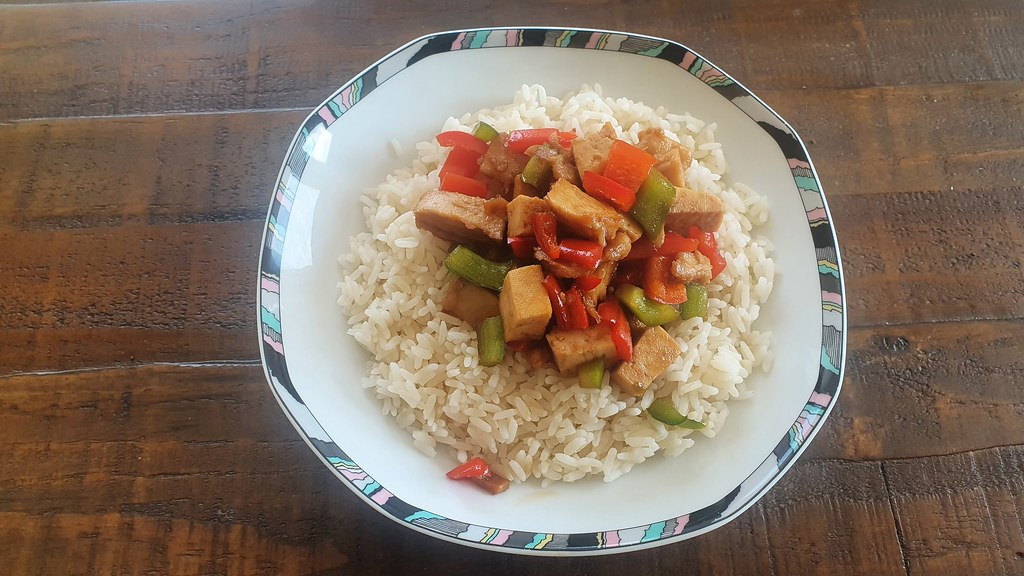
“Where do you get your protein?” is the question every plant-based eater hears eventually, usually asked with genuine concern rather than hostility. It’s a fair question — protein is essential for muscle repair, immune function, and dozens of other processes — but the answer is far less complicated than the question implies.
The Academy of Nutrition and Dietetics has stated that appropriately planned vegetarian and vegan diets are nutritionally adequate and can provide health benefits, including for athletes. Meeting protein needs on a plant-based diet is entirely achievable; it just requires knowing which foods deliver protein efficiently and building meals with a bit more intention than simply swapping meat for vegetables.
How Much Protein You Actually Need
General nutrition guidance places protein needs for most sedentary adults at roughly 0.8 grams per kilogram of body weight per day, while active adults and those doing regular resistance training often benefit from a higher range of approximately 1.2 to 2.0 grams per kilogram, according to widely cited sports nutrition consensus figures. A 70 kg (154 lb) active adult, for example, might reasonably target somewhere between 84 and 140 grams of protein daily depending on training goals.
These are general ranges, not rigid prescriptions — individual needs vary with age, activity level, muscle mass goals, and overall health status. What matters most for plant-based eaters is recognizing that hitting these numbers is very achievable with deliberate meal planning, not a special exception requiring supplements.
The Best Plant-Based Protein Sources
Legumes, soy foods, whole grains, nuts, and seeds each bring meaningfully different protein content and amino acid profiles to the table. Soy foods stand out because they’re considered a “complete” protein, containing all nine essential amino acids in reasonable proportions, similar to animal proteins.
- Tofu, tempeh, and edamame: roughly 8-20 grams of protein per 100 grams, and complete amino acid profiles
- Lentils: about 9 grams of protein per cooked half-cup, plus fiber and iron
- Chickpeas and beans: roughly 7-8 grams of protein per cooked half-cup
- Seitan (wheat gluten): very high in protein by weight, though not suitable for those avoiding gluten
- Quinoa: a complete protein grain, around 8 grams per cooked cup
- Nuts, seeds, and nut butters: moderate protein plus healthy fats (peanuts, almonds, hemp seeds, pumpkin seeds)
Do You Need to “Combine” Proteins?
This is one of the most persistent myths in plant-based nutrition. Older nutrition advice suggested you needed to eat “complementary” proteins (like rice and beans) at the same meal to get all essential amino acids. Research consistently shows this precision isn’t necessary — the body maintains a pool of amino acids and can combine them across meals eaten over the course of a day, not just within a single sitting.
That said, eating a variety of protein sources across the day — grains, legumes, nuts, seeds, and soy — naturally covers the full amino acid spectrum without any special planning. Variety is a reasonable goal for overall nutrition anyway, so this isn’t a burdensome requirement in practice.
Building Balanced Plant-Based Meals
The most reliable approach is anchoring each meal around a protein-dense plant food rather than treating protein as an afterthought. A useful mental model: build the plate around a legume, soy food, or whole grain first, then add vegetables and healthy fats around it.
- Breakfast: overnight oats with chia seeds, hemp hearts, and a scoop of plant protein powder or nut butter
- Lunch: a grain bowl with quinoa, chickpeas, roasted vegetables, and tahini dressing
- Snack: edamame, roasted chickpeas, or hummus with vegetables
- Dinner: tofu or tempeh stir-fry with brown rice and a variety of vegetables
- Throughout the day: track roughly how much protein-dense food you’re including at each meal, especially in the first few weeks of transitioning
Common Pitfalls to Avoid
The most common mistake is relying too heavily on vegetables and salads without a substantial protein anchor, which can leave total daily protein well below target even when calorie intake looks reasonable. Vegetables are valuable for fiber, vitamins, and minerals, but they’re not concentrated protein sources compared to legumes, soy, and grains.
Another common issue is under-eating overall during a transition to plant-based eating, particularly if unfamiliar foods feel less satisfying at first. Giving the diet a genuine adjustment period, and leaning on familiar, protein-dense staples like beans, lentils, and tofu, tends to smooth this transition considerably.
Should You Consider a Protein Supplement?
Most people eating a varied, adequately planned plant-based diet can meet their protein needs through food alone. Plant-based protein powders (pea, soy, rice blends, or hemp) can be a convenient addition for very active individuals with high protein targets, or for anyone who finds it genuinely difficult to eat enough whole-food protein in a day, but they’re a convenience tool rather than a necessity for most.
As with any significant dietary shift, checking in with a registered dietitian is a reasonable step, particularly for athletes, people managing a health condition, or anyone transitioning to a fully plant-based diet for the first time.
Can I build muscle on a plant-based diet?
Yes. Muscle growth depends primarily on adequate total protein intake, resistance training, and overall calories — not on whether the protein source is animal or plant-based, provided intake is sufficient and varied.
Is soy protein safe to eat regularly?
Yes, for the vast majority of people. Large body of nutrition research has not found credible evidence that moderate soy consumption poses health risks for most adults, and it remains one of the most protein-dense plant foods available.
What’s the easiest way to start eating more plant protein?
Start by adding one plant protein source to meals you already eat — beans in a soup, tofu in a stir-fry, lentils in a pasta sauce — rather than overhauling your entire diet at once.
Do children and older adults have different plant protein needs?
Both groups can meet protein needs on a well-planned plant-based diet, though needs per kilogram of body weight differ by age and life stage. Consulting a pediatric or geriatric dietitian is a sensible step for these groups specifically.
Related reading
Affiliate & medical disclosure: This review is independent and for information only, not medical advice. Some links may be affiliate links; we may earn a commission at no cost to you, which never affects our score. Consult a licensed provider before starting any product.