Tart Cherry Juice and Recovery: Separating Hype From Evidence
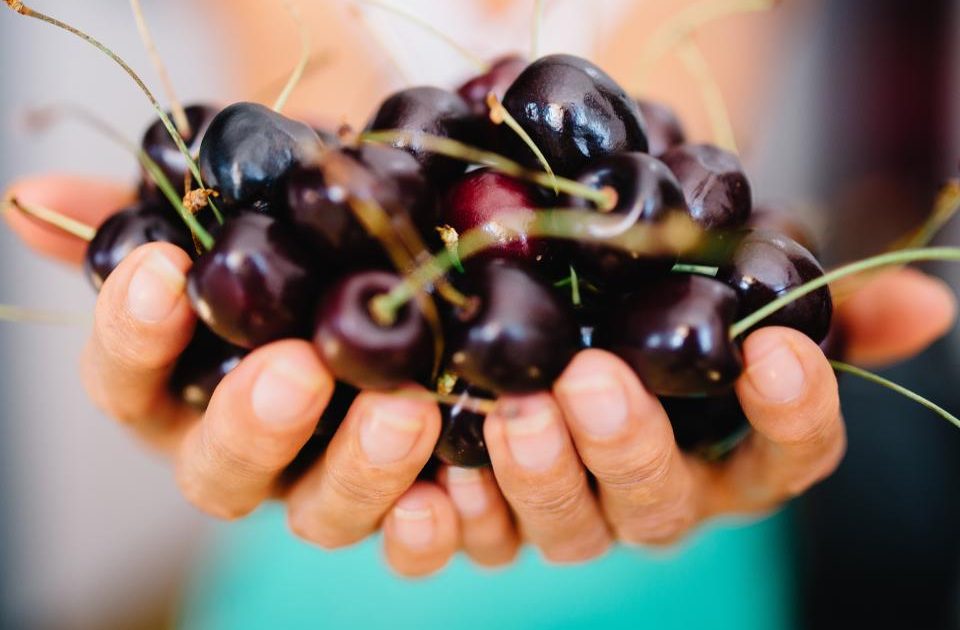
Scroll through any endurance athlete’s social feed and you’ll likely spot a small bottle of dark red juice next to their running shoes. Tart cherry juice has become a fixture in recovery routines, credited with everything from reduced muscle soreness to better sleep. But how much of that reputation holds up, and how much is marketing riding on a genuinely interesting body of early research?
The honest answer is somewhere in the middle. Tart cherry juice isn’t a miracle recovery drink, but it also isn’t pure hype — there’s a reasonable, if modest, evidence base behind some of its most common claims. Understanding what it can and can’t realistically do helps you decide whether it deserves a place in your routine.
What’s Actually in Tart Cherry Juice
Tart (Montmorency) cherries are notably rich in anthocyanins, the pigment compounds responsible for their deep red color, which also have antioxidant and anti-inflammatory properties. They also contain a modest amount of naturally occurring melatonin, the hormone involved in regulating sleep-wake cycles, along with vitamin C and other polyphenols.
Most research on tart cherry juice has focused on concentrated juice or extract forms, typically consumed in doses equivalent to roughly 1-1.5 cups of tart cherries per day, rather than the diluted cherry drinks sold as general beverages. This distinction matters because concentration varies enormously between products.
What the Evidence Says About Muscle Recovery
Several sports science studies have examined tart cherry juice’s effect on exercise-induced muscle soreness and strength recovery, particularly after intense or unaccustomed exercise like marathon running or eccentric strength training. Findings have generally trended toward modest reductions in perceived muscle soreness and faster strength recovery in the days following intense exercise, likely related to the anti-inflammatory and antioxidant properties of the anthocyanins involved.
It’s worth noting that the effect size in most studies is modest, not dramatic, and results vary based on the type of exercise, dose used, and individual differences. Tart cherry juice is best thought of as one supportive tool among several — alongside adequate protein, sleep, and hydration — rather than a replacement for basic recovery fundamentals.
What the Evidence Says About Sleep
The sleep connection is one of the more frequently cited benefits, and it has some biological plausibility given the natural melatonin content. Some research has associated tart cherry juice consumption with modest improvements in sleep duration and quality, particularly in adults with mild sleep difficulties. However, the doses of melatonin naturally present in tart cherries are far lower than typical melatonin supplements, so effects tend to be gentle rather than dramatic.
The National Sleep Foundation recommends 7-9 hours of sleep per night for most adults, and emphasizes that consistent sleep habits — a regular schedule, a dark and cool room, and limited screen time before bed — have a much larger impact on sleep quality than any single food or drink, tart cherry juice included.
How to Use Tart Cherry Juice Practically
If you want to try it, here’s a practical approach based on how it’s typically used in research settings:
- Choose 100% tart cherry juice or concentrate, not cherry-flavored drinks with added sugar
- A common approach is roughly 8-12 oz of juice (or the equivalent concentrate diluted in water), once or twice daily
- For exercise recovery, some protocols use it for several days before and after a demanding event or hard training block
- For sleep, try it in the evening, alongside — not instead of — consistent sleep hygiene habits
- Watch sugar content, since juice is calorie-dense and some products add sweeteners — the AHA advises limiting added sugar to roughly 25g/day for women and 36g/day for men, and flavored cherry drinks can use up a meaningful share of that budget
How to Apply This: A Sample Recovery Day
For someone using tart cherry juice around a hard training day, a simple approach might look like this:
- Morning: Normal breakfast with adequate protein to support muscle repair
- Post-workout: A meal or snack with protein and carbohydrates within a couple of hours of training
- Afternoon or evening: 8-12 oz of tart cherry juice or diluted concentrate
- Evening: Consistent wind-down routine and a cool, dark sleep environment
- Throughout the day: Adequate water intake to support overall recovery
None of these steps depend on tart cherry juice working perfectly — they’re solid recovery habits regardless, with the juice as a modest addition rather than the centerpiece.
Who Should Be Cautious
Tart cherry juice is generally well tolerated, but its natural sugar content means people managing blood sugar or watching calorie intake should account for it as they would any juice. It may also interact with certain medications, including some blood thinners, due to its vitamin K and polyphenol content, so anyone on prescription medication should check with a healthcare provider before adding it regularly. As with most supplements, individual responses vary, and it shouldn’t replace medical treatment for sleep disorders or recovery issues that don’t improve with basic lifestyle changes.
How It Compares to Other Recovery Strategies
It helps to put tart cherry juice in context next to more established recovery tools. Adequate protein intake — generally around 1.2-2.0 grams per kilogram of body weight for active adults — has a far larger, more consistently documented effect on muscle repair than any single food or juice. Similarly, prioritizing 7-9 hours of sleep, as the National Sleep Foundation recommends, does more for overall recovery than most supplements combined, since so much of the body’s repair process happens during deep sleep.
Viewed this way, tart cherry juice fits best as a small addition layered on top of those fundamentals, not a shortcut around them. Athletes and casual exercisers who already have solid sleep, nutrition, and hydration habits are the ones most likely to notice any incremental benefit from adding it.
Does tart cherry juice really reduce muscle soreness?
Research suggests a modest benefit for some people, particularly after intense or unfamiliar exercise, but it is not a dramatic or guaranteed effect, and results vary between studies and individuals.
How much tart cherry juice should I drink for recovery?
Most research protocols use roughly 8-12 oz of concentrated juice, once or twice daily, often starting a few days before a demanding event. Product concentration varies, so check labeling for the equivalent cherry content.
Can tart cherry juice replace melatonin supplements for sleep?
Not directly — the natural melatonin content in tart cherries is much lower than a typical supplement dose. It may offer a mild, gentle effect but isn’t equivalent to a standalone melatonin supplement.
Is tart cherry juice safe to drink every day?
For most healthy adults, yes, in reasonable amounts, though its sugar content should be considered part of your overall daily intake. Anyone on blood thinners or other medications should check with a healthcare provider first.
Related reading
Affiliate & medical disclosure: This review is independent and for information only, not medical advice. Some links may be affiliate links; we may earn a commission at no cost to you, which never affects our score. Consult a licensed provider before starting any product.