Protein Powder for Weight Loss: Choosing and Using It Right
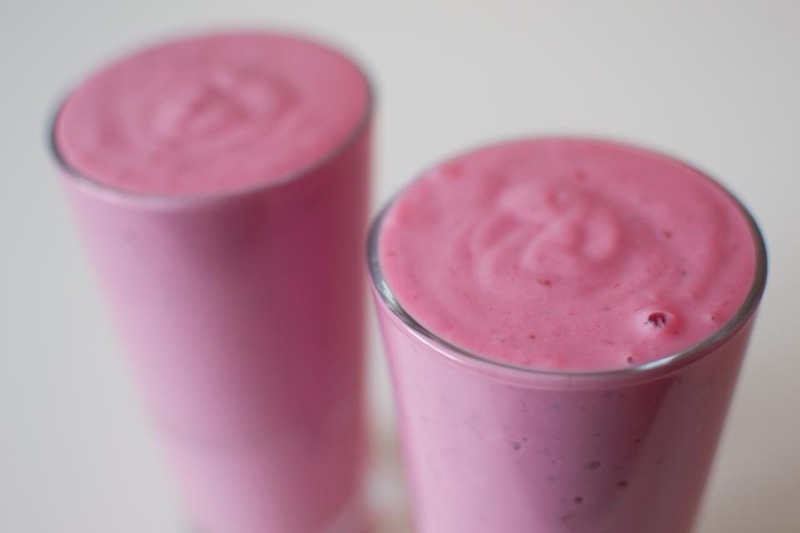
Walk down the supplement aisle and protein powder looks like a solved problem: giant tubs, confident labels, “lean” and “shred” printed in aggressive fonts. But stand there for two minutes actually trying to choose one and the questions pile up fast. Whey or plant? Isolate or concentrate? Is 30 grams of protein per scoop better than 20? And the biggest one — will any of this actually help you lose weight, or is it just expensive milk powder?
Here is the short version: protein powder is not a fat burner, and no scoop of anything melts weight off. What it is, used correctly, is one of the most practical tools in a weight-loss diet — a cheap, fast way to hit a protein target that protects your muscle, blunts your hunger, and slightly raises the calories you burn digesting food. This guide covers what the evidence supports, how to pick a product that contains what its label claims, and exactly how to use it so it supports a deficit instead of quietly adding to your intake.
Why Protein Earns Its Place in a Weight-Loss Diet
Three mechanisms, all well established in nutrition research:
- Satiety. Protein is the most filling macronutrient per calorie. Higher-protein meals reliably reduce hunger and subsequent eating compared with carbohydrate- or fat-heavy meals of the same size — which is the entire game in a calorie deficit.
- Muscle preservation. When you lose weight, your body sheds lean mass along with fat unless protein intake and resistance training tell it not to. Research on dieting adults consistently supports intakes around 1.2 to 1.6 grams per kilogram of body weight per day for preserving muscle — well above the standard RDA of 0.8 g/kg, which is a maintenance floor, not a dieting target.
- The thermic effect. Your body spends roughly 20 to 30 percent of protein’s calories just digesting and processing it, compared with about 5 to 10 percent for carbohydrates and 0 to 3 percent for fat. It is not a huge lever, but across months it is a real one.
For a 90-kilogram (about 200-pound) person, 1.2–1.6 g/kg works out to 108–144 grams of protein daily. Most people eating a typical Western diet get 70–90 grams. That gap — 30 to 60 grams a day — is exactly the size of one or two shakes, which is why powder is useful: not magic, just logistics.
Whey, Casein, or Plant: What Actually Differs
- Whey is the default for a reason: complete amino acid profile, high leucine (the amino acid that most strongly triggers muscle protein synthesis), fast digestion, and typically the best cost per gram of protein. “Concentrate” is roughly 70–80 percent protein; “isolate” is 90+ percent with less lactose — worth the upgrade mainly if regular whey upsets your stomach.
- Casein digests slowly, which makes it more filling per scoop for some people — a reasonable choice as an evening option when late-night snacking is your weak point.
- Plant proteins (pea, soy, rice, hemp, and blends) work well too. Soy is a complete protein on its own; pea-rice blends are combined precisely to fill each other’s amino acid gaps. You may need a slightly larger serving to match whey’s leucine content, but for practical purposes a good blend at 25–30 grams per serving does the same job.
What matters far less than the marketing suggests: added BCAAs (redundant if the protein dose is adequate), “fat-burning” additives like green tea extract or L-carnitine sprinkled in at token doses, and exotic proteins at premium prices. You are buying protein. Judge the tub on protein.
How to Read the Label Like a Skeptic
Protein powders are dietary supplements, and under US law (DSHEA, 1994) the FDA does not review or approve supplements for effectiveness before they are sold — manufacturers are responsible for their own claims. That makes the label and independent verification your main defense:
- Protein per 100 calories. Divide grams of protein by calories. A weight-loss-friendly powder delivers roughly 20+ grams of protein per 120 calories or better. “Mass gainers” and heavily flavored blends can run 200+ calories per serving — the opposite of what you want.
- Third-party testing. Look for NSF Certified for Sport, Informed Choice/Informed Sport, or USP marks. These programs verify that what is on the label is in the tub and screen for contaminants. Independent testing groups have repeatedly found heavy metals and label inaccuracies in untested powders, so this logo is worth more than any marketing claim on the front.
- Watch for “amino spiking.” Some cheap powders pad their protein numbers with inexpensive free aminos like glycine and taurine. A proper amino acid breakdown on the label, or third-party certification, protects against this.
- Sugar and sugar alcohols. Under 3 grams of sugar per serving is easy to find. Large doses of sugar alcohols can cause bloating — relevant if you are drinking shakes daily.
Using It Right: Dose, Timing, and Placement
The evidence-backed playbook is simpler than the internet suggests. Aim for 20 to 40 grams of protein per serving — the range that near-maximally stimulates muscle protein synthesis in most adults. Distribute protein across three to four feedings daily rather than loading one meal; total daily intake matters most, distribution helps at the margin. Precise timing around workouts matters much less than once believed — the “anabolic window” is hours wide, not minutes.
Placement is where weight loss is won or lost. A shake helps when it replaces lower-protein calories: swapped for a pastry breakfast, blended into a fruit smoothie that was previously all carbs, or used instead of an evening snack raid. It hurts when it is added on top of an unchanged diet — 150 extra daily calories is roughly 15 pounds a year in the wrong direction. Decide in advance which existing calories the shake is displacing.
Your Buying and Using Checklist
- Calculate your daily protein target (1.2–1.6 g/kg body weight; confirm with a dietitian or your doctor if you have kidney disease or other conditions).
- Count your current average from food; buy powder to fill the gap, not replace meals wholesale.
- Pick a certified product (NSF, Informed Choice, or USP) with 20+ g protein and under ~140 calories per serving.
- Schedule shakes to replace specific low-protein calories — write down which ones.
- Reassess after four weeks: hunger levels, scale trend, and strength in the gym are your success metrics — not how many tubs you have finished.
Can I lose weight without protein powder?
Absolutely. Powder is a convenience, not a requirement — chicken, fish, eggs, Greek yogurt, tofu, lentils, and cottage cheese do the same job. Powder earns its place when whole-food protein is impractical: rushed mornings, small appetites, tight budgets (whey is often the cheapest protein per gram), or GLP-1-suppressed appetites where food volume is limited.
Will protein shakes make me bulky?
No. Adding visible muscle mass requires a calorie surplus and progressive training over months to years. In a calorie deficit, adequate protein preserves the muscle you have — which keeps your metabolism higher and your final physique leaner, the opposite of bulky.
Are “diet” or “weight-loss” protein powders worth the premium?
Usually not. Products marketed for weight loss typically add fiber, appetite-blend herbs, or stimulants at small doses and charge more per gram of protein. A standard certified whey or plant isolate plus an actual high-fiber diet beats them on both evidence and price.
Is a lot of protein bad for my kidneys?
For healthy people, intakes in the 1.2–1.6 g/kg range show no good evidence of kidney harm in research to date. For anyone with existing kidney disease, protein targets genuinely need medical supervision — talk to your doctor or a registered dietitian before increasing intake. When in doubt, that conversation costs nothing and settles the question for your specific body.
Related reading
Affiliate & medical disclosure: This review is independent and for information only, not medical advice. Some links may be affiliate links; we may earn a commission at no cost to you, which never affects our score. Consult a licensed provider before starting any product.