Oral GLP-1 Pills vs Injections: Where the Science Stands in 2026
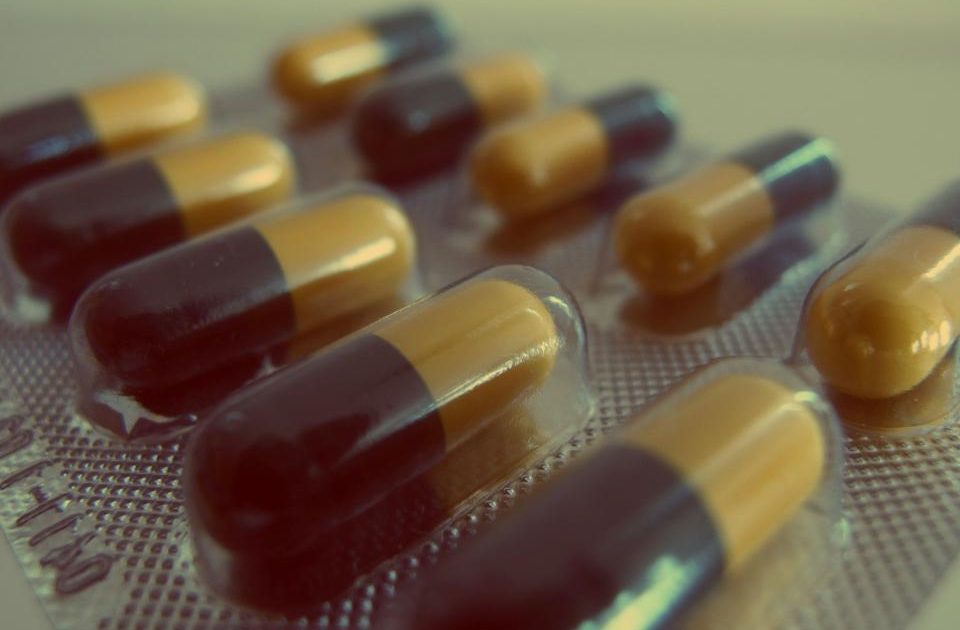
Ask anyone who’s hesitated over starting a GLP-1 medication what’s holding them back, and the needle comes up fast. Weekly self-injection is a genuine barrier for millions of people — surveys of patients with diabetes have long found that needle aversion delays treatment by years. So the obvious question: can you just take a pill instead?
In 2026, the answer is “yes, sort of, with trade-offs” — and the fine print matters more than the headlines suggest. Oral GLP-1s exist, more are coming, and the gap between pills and injections is narrowing but not closed. Here’s where the science actually stands, so you can have an informed conversation with your prescriber instead of a hopeful one.
The one oral GLP-1 you can get today
Oral semaglutide — brand name Rybelsus — has been FDA-approved since 2019, but for type 2 diabetes, not weight loss. It’s the same molecule as Ozempic and Wegovy, engineered into a tablet using an absorption enhancer called SNAC that shields the peptide from stomach acid long enough for a little of it to slip through the stomach lining.
The key word is “little.” Oral semaglutide’s bioavailability is roughly 1 percent — about 99 percent of each dose never reaches your bloodstream. That’s why the tablet doses (7 mg and 14 mg daily) look so much bigger than the injection doses (up to 2.4 mg weekly), and why the pill comes with famously fussy instructions: take it on an empty stomach, first thing in the morning, with no more than 4 ounces of plain water, then wait at least 30 minutes before eating, drinking, or taking other medications. Skip the ritual and you can absorb close to nothing.
What the trials show: pills can work — at the right dose
At diabetes doses, oral semaglutide produces modest weight loss — typically 2 to 4 kilograms in the PIONEER trial program, useful but nowhere near what Wegovy delivers. The interesting data came when researchers pushed the oral dose higher. In the OASIS 1 trial, published in The Lancet in 2023, a 50 mg daily oral dose of semaglutide produced about 15.1 percent average weight loss over 68 weeks in adults with obesity, versus 2.4 percent with placebo.
Compare that with the landmark injection trials: STEP 1 found 14.9 percent average loss with weekly semaglutide 2.4 mg, and SURMOUNT-1 found up to 20.9 percent with tirzepatide at the highest dose. Read those numbers side by side and the conclusion is striking — a high-dose semaglutide pill roughly matched the semaglutide injection. The molecule doesn’t care how it enters your body. Absorption, dosing, and manufacturing are the real battlegrounds.
The next wave: small-molecule pills without the fuss
The bigger story in 2026 is a different chemical approach entirely. Semaglutide is a peptide — fragile, expensive to make, poorly absorbed orally. Drugmakers have been racing to build small-molecule GLP-1 agonists: conventional pills that survive digestion, absorb well, and can be manufactured at scale like a statin.
The furthest along is orforglipron, which reported phase 3 results in 2025. In its obesity trial program, the highest dose produced average weight loss in the low-to-mid teens as a percentage of body weight over roughly 72 weeks — genuinely competitive territory, achieved with a once-daily pill that has no food or water restrictions. In its type 2 diabetes trial, weight loss was more modest, around 8 percent, which is typical since people with diabetes consistently lose less on GLP-1s than people without it. Side effects look familiar: nausea, vomiting, and constipation at rates comparable to injectables, with discontinuation rates from adverse events in the same general range.
None of these next-generation pills is a magic upgrade. They’re the same mechanism in a more convenient package — with the same GI side effects, the same need for dose escalation, and the same regain risk when you stop.
Pills vs injections: the honest scorecard
Where injections still win: potency ceiling (tirzepatide’s 20-plus percent has no oral rival yet), once-weekly convenience versus daily dosing, years of long-term safety and cardiovascular outcome data — semaglutide’s SELECT trial showed a 20 percent reduction in major cardiovascular events over about 40 months in people with obesity and heart disease — and steady, predictable absorption that doesn’t depend on your morning routine.
Where pills win: no needles, no sharps disposal, no refrigeration, easier travel, and — potentially — price and supply. Small-molecule pills can be mass-produced far more cheaply than peptides in injector pens, which is why analysts expect oral GLP-1s to be the format that finally reaches the hundreds of millions of people worldwide who could benefit. Peptide-in-a-pill options like high-dose oral semaglutide, meanwhile, remain expensive to make precisely because 99 percent of the active ingredient is wasted.
Where it’s a tie: efficacy at matched molecules, side-effect profile, and the non-negotiable fact that both formats are chronic therapies for a chronic condition.
How to think it through with your prescriber: a checklist
These are prescription medications with real contraindications — this decision belongs in an exam room, not a comment section. Bring these questions:
- What’s my primary goal? If you need maximum weight loss for a health target (say, 15 to 20 percent), injectables currently offer the higher ceiling.
- Can I execute the oral routine? Be honest: empty stomach, 4 ounces of water, 30-minute wait, every single morning. Shift workers and chaotic-morning people often can’t.
- Am I actually needle-averse, or just needle-new? Modern pens use 4–5 mm needles most people rate as near-painless. Many “I could never inject” patients adapt within two weeks.
- What does my insurance cover? Coverage, not preference, decides most of these choices in practice. Ask about both formats before ruling anything out.
- What other medications do I take? Oral semaglutide’s absorption window complicates thyroid medication and other empty-stomach drugs.
- What’s the plan if I plateau or can’t tolerate it? Switching between oral and injectable formats is possible but needs a managed transition.
The bottom line
Oral GLP-1s are real, and by decade’s end they’ll likely be how most of the world takes these drugs. Today the practical menu is narrower: the only approved tablet is dosed for diabetes and underperforms injections for weight loss, and the promising small-molecule pills are just arriving. If a needle is the only thing standing between you and treatment, a pill path exists — but if you can tolerate a weekly injection, injectables remain the stronger, better-proven tool in 2026. Either way, the medication is the easy part; the eating, sleep, and strength training around it decide how well any format works.
Is Rybelsus approved for weight loss?
No. Rybelsus (oral semaglutide 7 or 14 mg) is FDA-approved for type 2 diabetes. Prescribers can and do use it off-label for weight management, but expect meaningfully less weight loss than Wegovy — typically a few kilograms rather than 15 percent of body weight — and know that insurance rarely covers off-label use.
Do oral GLP-1s have fewer side effects than injections?
Not meaningfully. Nausea, vomiting, constipation, and diarrhea are mechanism effects — they come from GLP-1 receptor activation, not from the needle. Trial discontinuation rates for oral and injectable forms sit in the same general range. The pill spares you injection-site reactions; it spares you nothing else.
Can I switch from injections to a pill later?
Often yes, with a prescriber-managed transition — there are established conversion approaches between oral and injectable semaglutide. People switch for travel, needle fatigue, cost, or supply reasons. Expect a possible adjustment period and don’t assume dose numbers translate directly between formats; that 1 percent oral bioavailability is why a 14 mg tablet roughly matches a 0.5 mg injection.
Will pills make GLP-1s cheaper?
Probably, eventually — but the mechanism matters. Peptide pills like oral semaglutide are actually costly to produce because so much active drug is wasted. The real price pressure should come from small-molecule pills, which can be synthesized cheaply at massive scale, and from the competition they create across the whole category.
Related reading
Affiliate & medical disclosure: This review is independent and for information only, not medical advice. Some links may be affiliate links; we may earn a commission at no cost to you, which never affects our score. Consult a licensed provider before starting any product.