Balance Training: Why It Matters at Every Age, Not Just for Seniors
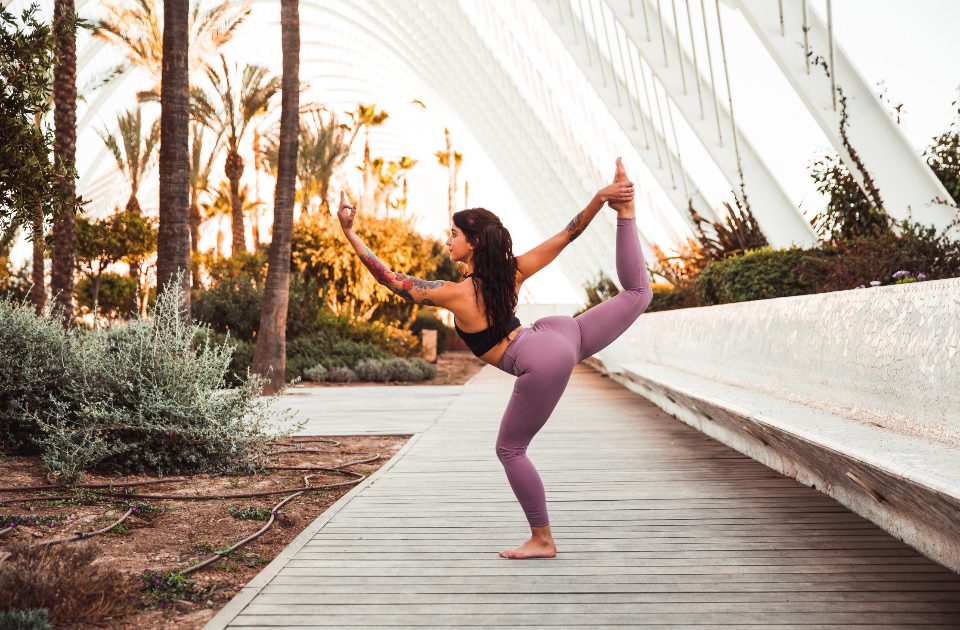
Ask most gym-goers what they’re training for, and you’ll hear strength, endurance, or muscle size — rarely balance. Yet balance is the one physical quality that quietly determines whether an ankle roll turns into a minor stumble or a torn ligament, and whether a slip on a wet floor ends in a laugh or a fracture. It’s also one of the most neglected areas of fitness programming at every age, not just in older adults.
Balance training has a reputation as something you only need once you’re worried about falling, but that’s a mistake. Research consistently shows that balance and proprioception (your body’s sense of position in space) begin gradually declining as early as your 30s, long before most people notice any functional change. Building it proactively is far easier than trying to rebuild it after a fall or injury.
What Balance Training Actually Trains
Balance isn’t a single skill; it’s the coordinated output of your vestibular system (inner ear), vision, and proprioception — the constant stream of feedback your joints and muscles send about body position. Balance training works by intentionally challenging these systems in a controlled way, forcing them to communicate and adapt faster.
This is why balance work looks different from typical strength training. Instead of moving heavy load through a fixed range of motion, balance exercises often involve unstable surfaces, single-limb positions, or reduced visual input, all of which force smaller stabilizing muscles around the ankles, knees, and hips to fire more precisely.
Why It Matters Beyond Fall Prevention
Fall prevention is the most obvious application, and a critical one — the CDC notes that falls are a leading cause of injury among older adults, with roughly one in four adults over 65 falling each year. But balance training pays off well before that stage of life.
For younger and middle-aged adults, better balance translates to fewer ankle sprains during sports, improved performance in single-leg-dominant activities like running and cycling, and better overall movement efficiency during everyday tasks like carrying groceries on uneven ground or catching yourself on a curb. Athletes with strong single-leg stability also tend to show more symmetrical strength between limbs, which some research links to lower injury rates in field and court sports.
- Reduces ankle and knee injury risk during sports and daily activity
- Improves symmetry between dominant and non-dominant limbs
- Supports confidence and mobility as you age
- Complements strength training by improving control during single-leg lifts
The Evidence for Balance Training
Meta-analyses suggest that structured balance and proprioceptive training programs can reduce fall risk in older adults by a meaningful margin when performed consistently over several months. The National Institute on Aging highlights balance exercises, alongside strength and aerobic activity, as one of the four key pillars of a well-rounded exercise routine for healthy aging.
Balance adaptations also happen faster than most people expect. Unlike building muscle mass, which typically requires many weeks of consistent training, improvements in balance and coordination can appear within just a few weeks of regular practice, because much of the early progress comes from neurological adaptation rather than physical tissue change.
How to Train Balance at Any Age
You don’t need special equipment to start. Balance training scales easily from very basic static holds to advanced dynamic drills, and it fits into just a few minutes at the start or end of an existing workout.
- Beginner: Single-leg stance near a wall or counter for support, 20-30 seconds per side
- Intermediate: Single-leg stance with eyes closed, or standing on a folded towel or pillow
- Advanced: Single-leg reaches (touching a cone or marker in front, side, and behind you), or balance work on a wobble board or BOSU ball
- Dynamic: Walking heel-to-toe in a straight line, single-leg hops, or lateral bounds with a controlled landing
How to Apply This: A Simple Weekly Routine
Balance training doesn’t need its own dedicated workout day. A short, consistent routine tucked into your existing schedule is more sustainable and just as effective:
- Days 1, 3, 5: After your regular workout or a short walk, do 3 sets of 30-second single-leg stands per side.
- Days 2, 4: Add single-leg reaches — 8-10 reaches per side, touching a mark in front, to the side, and behind you with control.
- Once comfortable: Progress to eyes-closed stands or an unstable surface like a folded towel.
- Weekly check-in: Time how long you can hold a single-leg stance with eyes closed. Small week-to-week improvements are a good sign of progress.
Consistency matters more than intensity here. Five minutes of focused balance work most days of the week will do more for long-term stability than one long session per month.
Balance Training and Strength Work Together
Balance training pairs naturally with strength training rather than replacing it. Single-leg strength exercises like split squats, step-ups, and single-leg deadlifts train strength and balance simultaneously, making them an efficient addition for people with limited workout time. The Academy of Nutrition and Dietetics and most exercise physiologists agree that a well-rounded routine addresses strength, cardiovascular fitness, flexibility, and balance together rather than isolating just one quality.
People recovering from a lower-body injury, or those with a history of ankle sprains, often benefit especially from prioritizing balance work, since previous injuries are one of the strongest predictors of future ones in that same joint.
Caveats and Individual Variation
Balance ability varies widely based on age, prior injury history, inner-ear health, and even certain medications that affect dizziness or coordination. People with vertigo, significant vision impairment, or a recent injury should approach balance training cautiously and ideally under guidance from a physical therapist. Always train near a wall, sturdy chair, or countertop when trying a new balance exercise for the first time, and stop if you feel genuinely unsteady rather than appropriately challenged.
How often should I do balance training?
Most people benefit from balance work 3-5 times per week, even in short 5-10 minute sessions. Frequency matters more than duration for building this specific skill.
Is balance training only useful for older adults?
No. While fall prevention gets the most attention in older populations, balance training benefits athletes, runners, and anyone active by reducing injury risk and improving movement efficiency at any age.
Can I improve my balance if I’ve never been good at it?
Yes. Balance is highly trainable at nearly any age, and much of the early improvement comes from neurological adaptation rather than requiring years of practice.
Do I need special equipment like a balance board?
No. Bodyweight single-leg exercises done near a wall or sturdy support are enough to start, and equipment like wobble boards or BOSU balls is only useful once basic single-leg balance feels solid.
Related reading
Affiliate & medical disclosure: This review is independent and for information only, not medical advice. Some links may be affiliate links; we may earn a commission at no cost to you, which never affects our score. Consult a licensed provider before starting any product.