Noise-Induced Hearing Loss: Protecting Your Ears in a Loud World
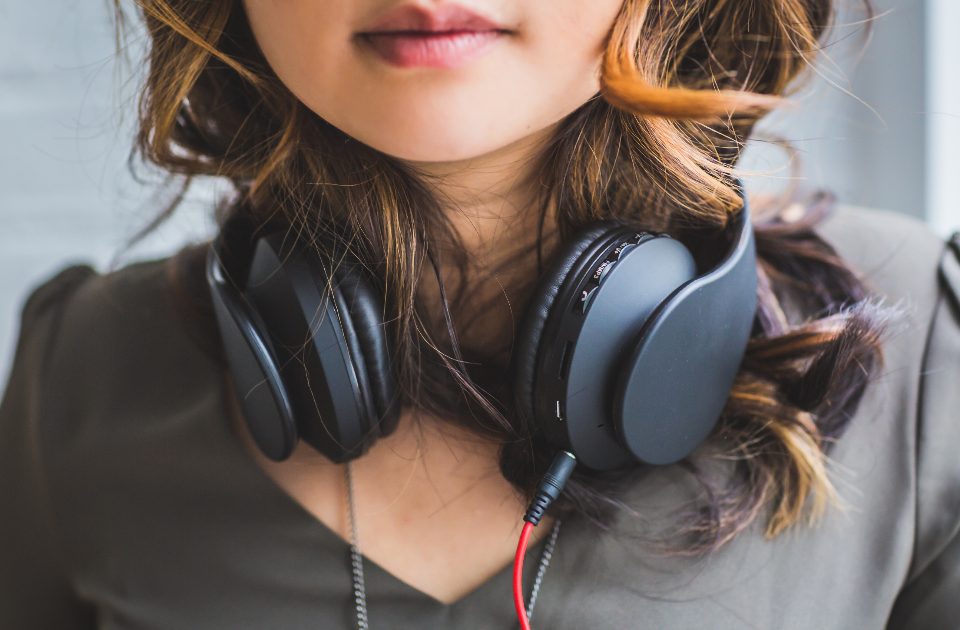
Most people would never think twice about walking through a construction site without ear protection, yet plenty of us regularly listen to music at concert-level volume through earbuds, work out to blaring gym playlists, or sit through fireworks displays without a second thought. A common mistake is assuming hearing damage only comes from a single loud event — in reality, cumulative exposure to everyday moderately loud sounds is one of the most underrated threats to long-term hearing health.
Unlike a cut or a bruise, hearing damage is often invisible until it’s significant, and it’s permanent. The WHO estimates that over 1 billion young people worldwide are at risk of hearing loss from unsafe listening practices, including personal audio devices and loud entertainment venues — a number that reflects a genuinely preventable public health issue, not just an inevitable part of aging.
How Noise Actually Damages Hearing
Inside the inner ear, tiny hair cells convert sound vibrations into the electrical signals your brain interprets as sound. Loud noise physically damages these hair cells, and unlike hair cells in some other animals, human inner ear hair cells do not regenerate once destroyed. A single extremely loud event — a gunshot, an explosion, a firework at close range — can cause immediate, permanent damage. More commonly, though, hearing loss builds gradually from repeated exposure to moderately loud sounds over years, which is why it often isn’t noticed until real damage has accumulated.
Volume and duration both matter. Louder sounds cause damage faster, but even moderately loud sounds can cause harm with enough cumulative exposure time, which is the basis for occupational safety exposure limits used around the world.
How Loud Is Too Loud
Sound is measured in decibels (dB), and the scale is logarithmic, meaning every 10dB increase represents roughly a tenfold increase in sound intensity. The CDC and occupational safety bodies generally consider prolonged exposure above 85dB a hearing risk, with permissible safe exposure time dropping sharply as volume increases — roughly 8 hours at 85dB, but only about 15 minutes or less at 100dB, a level easily reached by personal audio devices at high volume or a loud concert.
- Normal conversation: around 60dB — no risk with typical exposure
- City traffic, heavy foot traffic: around 70-85dB — risk increases with prolonged daily exposure
- Personal music players at high volume, motorcycles: around 90-100dB — safe exposure time is measured in minutes, not hours
- Concerts, sporting events, sirens up close: 100-120dB+ — significant risk even with brief exposure
- Fireworks, gunshots at close range: 140-190dB — can cause instant, permanent damage
Who’s Most at Risk
Musicians, concert and nightlife industry workers, construction and manufacturing employees, military personnel, and people who regularly use power tools or firearms face elevated occupational risk. But the WHO’s “Make Listening Safe” initiative specifically flags recreational listening — personal audio devices used at high volume for extended periods, especially by younger people — as a rapidly growing contributor to hearing loss that has nothing to do with occupation.
Children and teenagers are a particular concern because habits formed early tend to persist, and cumulative exposure compounds over a longer remaining lifetime. Parents supervising kids’ use of headphones and monitoring volume on shared devices can meaningfully reduce lifetime noise exposure.
Recognizing Early Warning Signs
Noise-induced hearing loss often announces itself subtly before becoming obvious. Common early signs include ringing or buzzing in the ears (tinnitus) after loud exposure, temporary muffled hearing after a concert or loud event, and needing to turn up the television or ask people to repeat themselves more often than you used to. Temporary threshold shift — where hearing feels dulled for hours after loud exposure before recovering — is a warning sign that real, cumulative damage is likely occurring even though hearing returns to normal afterward.
If tinnitus or muffled hearing becomes frequent or doesn’t fully resolve within a day or two after loud exposure, it’s worth getting a hearing evaluation from an audiologist rather than assuming it will simply go away.
How to Apply This: A Practical Hearing Protection Plan
Protecting your hearing doesn’t require avoiding loud environments altogether — it requires a few consistent habits that reduce cumulative exposure.
- Follow the 60/60 rule for headphones: listen at no more than 60% of max volume for no more than 60 minutes at a stretch, giving your ears recovery time
- Carry a pair of inexpensive foam or musician’s earplugs for concerts, sporting events, and fireworks — musician’s earplugs reduce volume evenly without muffling sound quality
- Use noise-canceling headphones instead of turning up volume to overcome background noise on flights or in loud environments
- Take listening breaks during long headphone sessions to give hair cells recovery time
- Wear proper hearing protection for power tools, lawn equipment, and firearms — standard foam earplugs are inexpensive and widely available
- Get a baseline hearing test if you work in a loud environment or notice early warning signs, so future changes can be tracked against a known baseline
None of these steps require giving up concerts, music, or loud hobbies — they simply reduce the cumulative damage that builds silently over years of unprotected exposure.
Why Prevention Matters More Than Treatment
Unlike many health conditions, noise-induced hearing loss cannot currently be reversed with medication or surgery — hearing aids and cochlear implants can help manage the consequences, but they don’t restore the original hair cells. This makes noise-induced hearing loss one of the more clearly prevention-first conditions in everyday health, since the damage is cumulative, permanent, and largely avoidable with simple, low-cost precautions.
Can hearing loss from loud noise be reversed?
No, damage to the inner ear’s hair cells from noise exposure is generally permanent, since these cells do not regenerate in humans. This is why prevention through volume control and hearing protection is so important.
Are earbuds worse for hearing than headphones?
Earbuds sit closer to the eardrum, which can mean sound reaches damaging levels at a lower device volume setting compared to over-ear headphones, though either can cause damage if used too loud for too long.
How loud is too loud for headphones?
As a general guideline, if you can’t hear someone speaking normally next to you while wearing headphones, or others nearby can hear your music clearly, the volume is likely in a risky range for extended listening.
Should I get my hearing tested even if I don’t notice problems?
Yes, especially if you work in a loud environment or listen to music frequently at high volume. A baseline hearing test lets an audiologist track subtle changes over time that you might not notice day to day.
Related reading
Affiliate & medical disclosure: This review is independent and for information only, not medical advice. Some links may be affiliate links; we may earn a commission at no cost to you, which never affects our score. Consult a licensed provider before starting any product.