The Bench Press: Building Upper-Body Pushing Strength Safely
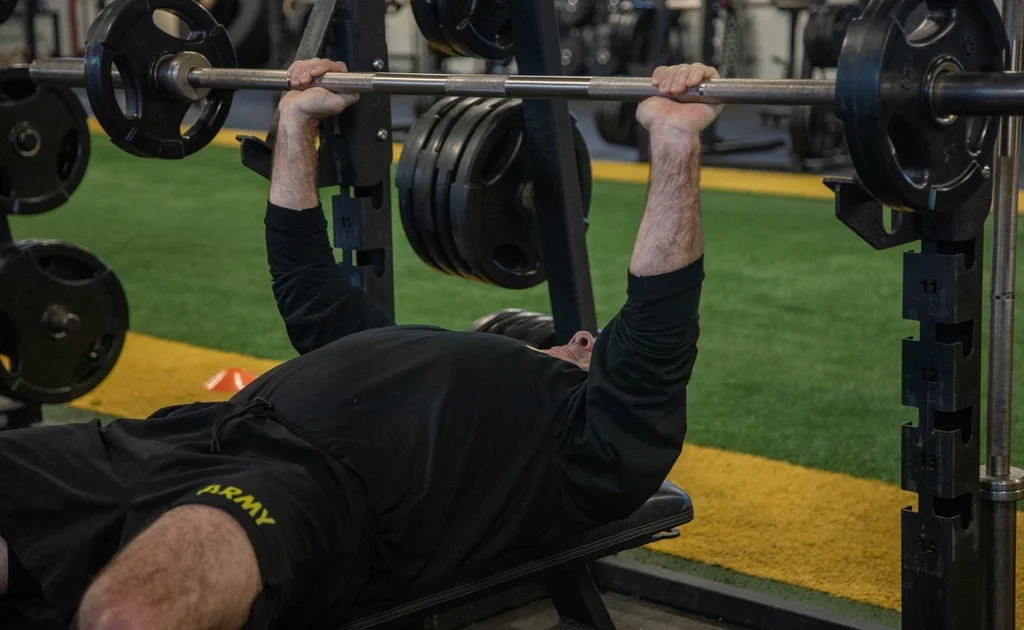
Walk into almost any gym and you’ll see it: a barbell loaded with plates, a bench underneath, and someone pressing the weight skyward. The bench press has been a benchmark of upper-body strength for decades, yet it’s also one of the most commonly performed incorrectly, with rushed setups and flared elbows that quietly increase shoulder strain over time.
A common mistake is treating the bench press as simply “lie down and push,” when in reality it’s a full-body movement that depends on foot position, shoulder blade placement, and bar path just as much as raw pushing power. Getting the fundamentals right early prevents plateaus and, more importantly, protects the shoulders from the overuse injuries that sideline so many lifters.
What the Bench Press Actually Trains
The bench press is a compound pushing movement that primarily targets the chest (pectoralis major), front shoulders (anterior deltoids), and triceps, while also requiring stabilization from the upper back, core, and even the legs, which drive through the floor to create full-body tension. Because it works multiple large muscle groups simultaneously, it allows you to move more total weight than isolation exercises like chest flyes, making it efficient for building both strength and muscle size.
Research consistently shows that compound pressing movements like the bench press produce meaningful strength and hypertrophy gains when programmed with progressive overload, the gradual increase in weight, reps, or volume over time. It remains a staple in most well-designed strength programs precisely because it trains several major muscle groups in a single, time-efficient movement.
- Primary muscles: chest, front shoulders, triceps
- Secondary stabilizers: upper back, core, and leg drive
- A compound movement, allowing heavier loading than isolation exercises
- A widely used benchmark for upper-body pushing strength
Setting Up for a Safer Bench Press
Proper setup begins before the bar ever leaves the rack. Lie back so your eyes are roughly under the bar, plant your feet flat on the floor for stability, and pull your shoulder blades down and back to create a stable “shelf” for the bar to rest against. This shoulder blade retraction is one of the most overlooked cues, and it significantly reduces unnecessary strain on the shoulder joint during the lift.
Grip width matters too: a grip that’s too wide can increase shoulder strain, while a grip that’s too narrow shifts more work to the triceps and can reduce chest engagement. A common starting point is a grip roughly 1.5 times shoulder width, though this can be adjusted based on individual arm length and shoulder comfort.
- Eyes positioned under the bar before unracking
- Feet flat and driving into the floor for full-body tension
- Shoulder blades retracted and depressed, not rounded forward
- Grip roughly 1.5x shoulder width as a starting reference point
Common Form Mistakes and How to Fix Them
The most frequent mistake is letting the elbows flare out to roughly 90 degrees from the torso, which places excessive stress on the front of the shoulder joint. Tucking the elbows to roughly a 45-75 degree angle relative to the torso, depending on individual anatomy, generally creates a safer, more shoulder-friendly bar path while still effectively working the chest.
Another common issue is bouncing the bar off the chest to generate momentum, which reduces muscle tension and increases injury risk. Lowering the bar with control to light contact with the chest, then pressing back up deliberately, builds more strength than relying on a bounce and is safer for the shoulder and sternum.
Programming: How Often and How Heavy
The CDC and WHO both recommend that adults perform muscle-strengthening activities involving all major muscle groups, including the chest and shoulders, at least 2 days per week, and horizontal pressing like the bench press is one of the most efficient ways to meet that guidance. For most lifters, training the bench press or a similar horizontal pressing movement two to three times per week, with adequate recovery between sessions, supports steady strength gains without excessive joint stress. Beginners often see rapid progress by adding small amounts of weight nearly every session, while more experienced lifters typically need structured progressive overload across weeks or months, sometimes called periodization, to keep improving.
Warming up properly before heavy pressing is essential; jumping straight to a challenging weight without a graduated warm-up is a common cause of shoulder strain. A few light warm-up sets building up to your working weight helps prepare the joints, tendons, and nervous system for the load ahead.
Alternatives and Variations Worth Knowing
Not everyone tolerates the flat barbell bench press well, and that’s okay. Dumbbell bench presses allow a more natural, individualized bar path and can be gentler on the shoulders since each arm moves somewhat independently. Incline presses shift more emphasis to the upper chest and front shoulders, while push-ups remain a highly effective, joint-friendly bodyweight alternative for building similar pressing strength, especially for beginners or those returning from injury.
If you experience persistent shoulder pain during pressing movements, it’s worth consulting a physical therapist or qualified coach rather than pushing through discomfort, since underlying mobility restrictions or old injuries are often correctable with targeted work.
A Sample Beginner Bench Press Progression
Here’s a simple, safe way to build into consistent bench pressing over several weeks:
- Weeks 1-2: Practice the movement pattern with just the empty barbell or light dumbbells, focusing entirely on setup, elbow angle, and control.
- Weeks 3-4: Add light weight, performing 3 sets of 8-10 reps, prioritizing full control over speed.
- Weeks 5-8: Gradually increase weight while keeping reps in the 6-10 range, adding small increments as form remains solid.
- Ongoing: Track your working weights and aim for slow, consistent progressive overload, taking a lighter deload week every 4-6 weeks if fatigue accumulates.
- Throughout: Always warm up with lighter sets before your heaviest working sets of the day.
The bench press rewards patience and consistency far more than ego lifting. Prioritizing clean form over chasing a heavier number on the bar will build more sustainable long-term strength and keep your shoulders healthy for years of training.
Is the bench press bad for your shoulders?
Not inherently, but poor form, particularly flared elbows and excessive arching, can increase shoulder strain over time. Proper setup, controlled elbow angle, and gradual progressive overload make it a safe movement for most healthy lifters.
Should beginners use a spotter?
Yes, especially when approaching heavier or near-maximal weights. A spotter adds safety, and beginners should also learn how to safely bail out of a failed rep, such as using safety bars in a power rack.
How much should I be able to bench press?
This varies enormously by body weight, training experience, sex, and individual anatomy, so comparing your numbers to generic standards is less useful than tracking your own progress over time.
Is the dumbbell bench press just as effective as the barbell version?
Research consistently shows both can effectively build chest, shoulder, and triceps strength. Dumbbells allow a more individualized range of motion and can be easier on the shoulders, while barbells typically allow heavier total loading.
Related reading
Affiliate & medical disclosure: This review is independent and for information only, not medical advice. Some links may be affiliate links; we may earn a commission at no cost to you, which never affects our score. Consult a licensed provider before starting any product.