Synergy Rx GLP-1 in 2026: An Honest Look at the Program and Its Costs
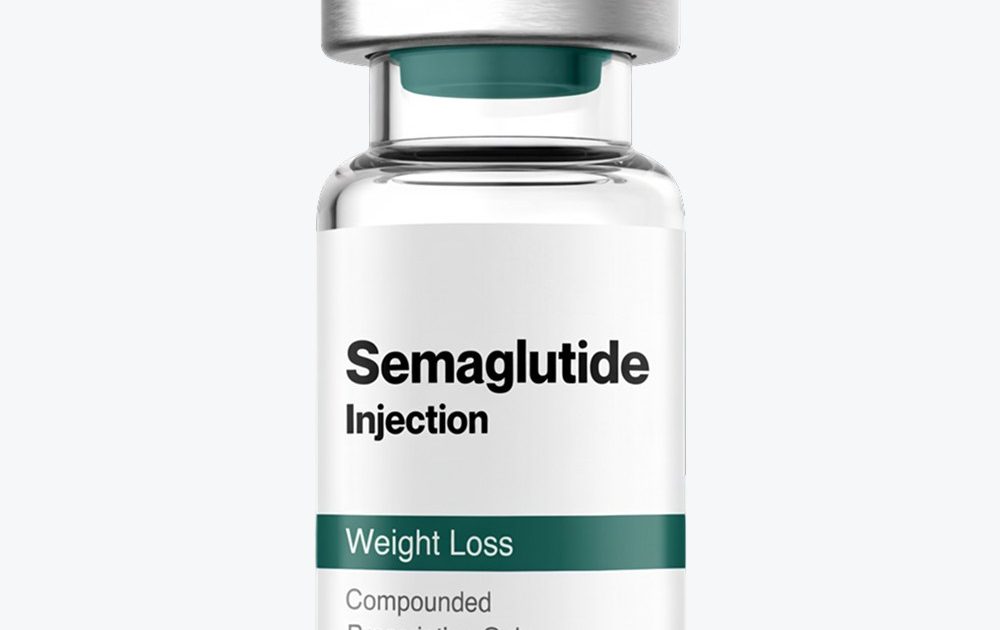
Spend ten minutes on Synergy Rx’s site and one thing stands out: they’d rather tell you the price than make you request a quote. That’s rarer than it should be in GLP-1 telehealth, where too many programs bury the number behind a five-step intake. So this honest look at Synergy Rx GLP-1 in 2026 focuses on what the program is really like to use, what it costs once the promo credit wears off, and — the part most reviews skip — who should actually sign up and who should walk.
Short version: it’s a solid, no-nonsense option for a specific kind of person. It is not for everyone, and that’s fine.
How the program actually works
You fill out an online intake, a licensed provider reviews it, and if a GLP-1 is appropriate they write the script. Medication ships from a U.S. pharmacy partner to your door. Synergy Rx is upfront that it’s a technology platform, not the doctor — independent clinicians licensed in your state make the actual medical calls. That’s a legal distinction worth understanding, though in day-to-day use it feels like any other telehealth service.
The intake itself takes maybe ten to fifteen minutes — the usual questions about weight history, medications, and conditions that would rule out a GLP-1. Nothing about it feels like a hoop for the sake of a hoop. Once a provider approves you, the medication ships and you’re on your way, refills handled through the same portal rather than a fresh appointment each month.
What earns points: the support model. Synergy Rx advertises 24/7 access to medical support, which matters more than it sounds. GLP-1 side effects — the nausea especially — tend to hit in the evenings and on weekends, exactly when a lot of clinics go dark. Being able to reach someone at 9pm on a Sunday is a real, practical benefit. The platform also holds LegitScript certification and lists physicians with verifiable NPI numbers, so you can look up the people behind it. Roughly 50,000 patients have gone through it, per the company.
What Synergy Rx costs in 2026
This is the honest part. The eye-catching “$200” figure is the starting price for compounded semaglutide injections, and there’s a $100 welcome credit on your first month. That first month can feel like a steal. Then reality settles in. As your dose climbs, maintenance pricing for semaglutide runs closer to $249–$299, and tirzepatide — the stronger dual-action drug — starts around $349 and can reach $449 at higher doses. The monthly figure does bundle the clinician visit, the medication, injection supplies, and standard shipping, so at least you’re not getting nickel-and-dimed on syringes.
| Medication | Format | Typical monthly cost |
|---|---|---|
| Compounded semaglutide | Injection | ~$199 start, $249–$299 maintenance |
| Oral semaglutide | Daily tablet | ~$299 |
| Compounded tirzepatide | Injection | $349–$449 |
| Oral tirzepatide | Daily tablet | ~$399 |
| Brand-name (Ozempic / Wegovy / Mounjaro) | FDA-approved pen | $499–$947+ |
Compared to brand-name cash prices — Ozempic near $499, Wegovy and Mounjaro closer to $947 — the compounded route is dramatically cheaper. Just be honest with yourself about the maintenance number, not the intro number, because that’s the one you’ll live with month after month.
The compounded catch
Here’s the thing every buyer should hear plainly. The compounded semaglutide and tirzepatide Synergy Rx offers are not FDA-approved products. The FDA approves the brand-name versions; a compounded formulation prepared by a pharmacy doesn’t carry that same approval or the same federal batch oversight. Compounding is legal and pharmacy-regulated, and it’s how millions of people accessed these drugs during shortages — but it’s not identical to the branded product, and a prescriber still has to decide it’s right for you. No provider signs off, no medication. That gate is doing its job.
Who should sign up — and who shouldn’t
Sign up if you’re a self-directed adult who wants clear pricing, a real support line, and the medication without a lot of ceremony. If you’ve done your homework, you understand the compounded distinction, and you mainly need reliable access with someone to call when the nausea kicks in — Synergy Rx fits. The transparency and the round-the-clock support are the two things it genuinely does well. Given that about 42% of U.S. adults meet the clinical definition of obesity (roughly 100 million people, per NIH data), that “clear price plus a human to call” combination is exactly what a lot of first-timers are missing.
Walk away if you want structured coaching, dietitian-led meal planning, or a program that actively manages your habits week to week. That’s not what this is. You’re buying medication access with a safety net, not a lifestyle overhaul. The one thing we’d have liked to see is the maintenance pricing shown as plainly as the intro price — burying the $249–$449 range while leading with “$200” is the closest thing here to a bait. It’s not dishonest, but it’s optimistic. Go in knowing the real number and you won’t be surprised on month three.
Frequently asked questions
What will Synergy Rx really cost me after the first month?
Budget for the maintenance rate, not the intro. Semaglutide settles around $249–$299 a month once your dose is dialed in, and tirzepatide can run $349–$449. The $200 starting price and $100 welcome credit apply mainly to your first month.
Is the 24/7 support actually staffed by medical people?
Synergy Rx advertises around-the-clock medical support, and the clinicians on its network hold verifiable NPI numbers. It’s one of the program’s stronger features, especially for managing side effects that flare outside normal clinic hours.
Can I get brand-name Ozempic or Wegovy through it?
Yes, when a provider deems it clinically appropriate — but brand-name cash prices are far higher, from about $499 up past $900. Most people choosing Synergy Rx go the compounded route specifically for the lower cost.
Does Synergy Rx take insurance?
No — it’s a cash-pay program in all 50 states. The upside is transparent, predictable pricing without prior-authorization battles; the downside is you won’t be running it through a plan.
This is an informational review, not medical advice. GLP-1 medications carry side effects and aren’t right for everyone. Talk to a licensed provider about your full medical history before starting.
Related reading
Affiliate & medical disclosure: This review is independent and for information only, not medical advice. Some links may be affiliate links; we may earn a commission at no cost to you, which never affects our score. Consult a licensed provider before starting any product.