Mushrooms in Your Diet: Vitamin D, Immunity, and Functional Fungi Explained
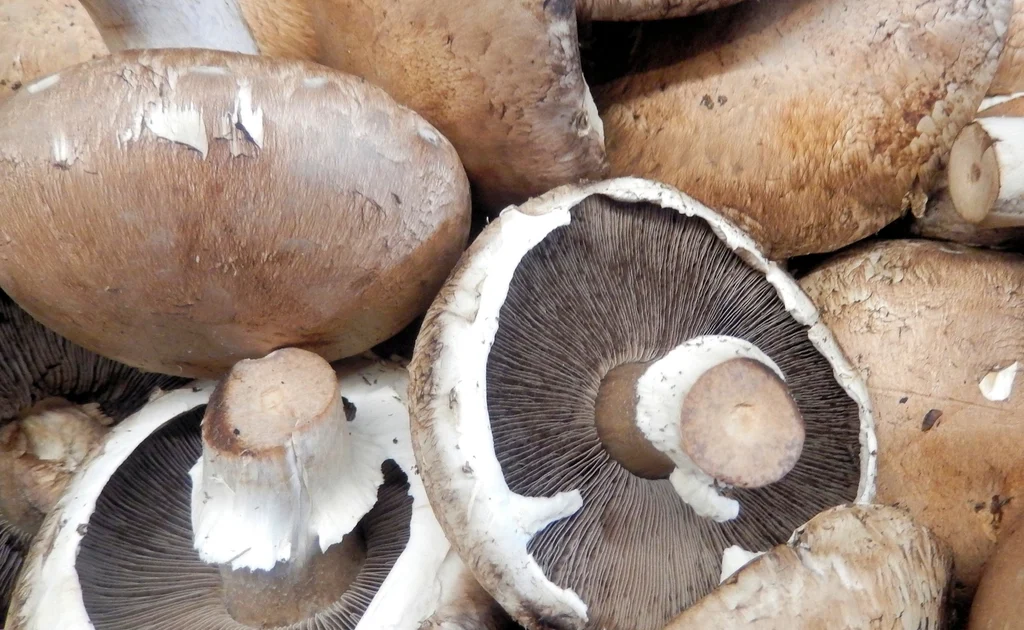
Most people treat mushrooms as a garnish for pasta or a topping for pizza, rarely stopping to think of them as a genuine nutritional powerhouse. That’s a missed opportunity: mushrooms are one of the only widely available foods that can supply meaningful vitamin D, and they bring a unique set of immune-supporting compounds that few other plants can match.
This guide breaks down what actually makes mushrooms nutritionally special, what the evidence says about their immune and vitamin D benefits, and how to work more of them into your week without overhauling your diet.
What Makes Mushrooms Nutritionally Unique
Technically fungi rather than plants, mushrooms occupy their own nutritional category. They’re low in calories and carbohydrates but contain meaningful amounts of potassium, selenium, copper, and B vitamins like riboflavin and niacin. A single cup of cooked mushrooms typically has fewer than 45 calories while still contributing several grams of protein, which is unusually high for a vegetable-adjacent food.
According to the Academy of Nutrition and Dietetics, mushrooms also contain ergothioneine and glutathione, two antioxidant compounds that are rare in the general food supply. Research consistently shows that regular mushroom consumption is associated with favorable markers of oxidative stress, though scientists caution that whole-diet patterns, not single foods, drive most health outcomes.
Mushrooms and Vitamin D: The Sunlight Connection
Mushrooms are unusual among foods because they can produce vitamin D2 when exposed to ultraviolet light, much like human skin produces vitamin D3 from sunlight. Commercially, some producers now expose mushrooms to UV light specifically to boost this content, and UV-treated mushrooms can supply a substantial share of the daily vitamin D reference intake in a single serving.
This matters because the NIH estimates that vitamin D insufficiency is common, particularly in populations with limited sun exposure, darker skin, or northern latitudes. While mushrooms shouldn’t be your only vitamin D strategy, they’re one of the few non-animal, non-fortified sources available, which makes them especially useful for people following plant-based diets.
- Look for packaging labeled “UV-exposed” or “vitamin D enhanced” for the highest content
- Standard grocery-store white and cremini mushrooms still contain some vitamin D2, just less
- Cooking mushrooms does not meaningfully destroy their vitamin D content
Immune Support: Beta-Glucans and What the Evidence Shows
Mushrooms contain beta-glucans, a type of fiber found in their cell walls that has been studied for its interaction with the immune system. Beta-glucans are recognized by immune cells in the gut lining, and research consistently shows this class of compounds can modestly influence immune cell activity, though the effect size varies significantly by mushroom species and preparation.
It’s worth being careful here: many marketing claims around “immune-boosting” mushroom supplements overstate what controlled research actually supports. There is no credible evidence that any mushroom, food, or supplement prevents illness outright. What the evidence more reasonably supports is that a diet including mushrooms, as part of an overall pattern rich in fiber and micronutrients, supports the kind of baseline immune function the CDC associates with lower rates of common infections in well-nourished populations.
Culinary Mushrooms vs Medicinal Mushroom Supplements
There’s a meaningful difference between eating culinary mushrooms like button, shiitake, oyster, or maitake as food, and taking concentrated medicinal mushroom extracts such as reishi, chaga, or lion’s mane in capsule or powder form. Culinary mushrooms have a long history of safe consumption and clear nutritional value. Medicinal mushroom extracts are a newer, less regulated category where dosing, extraction methods, and quality vary enormously between brands.
If you’re curious about medicinal mushroom supplements, treat them as a complement to, not a replacement for, a varied diet, and talk to a healthcare provider first, especially if you take medication, since some compounds in these extracts can interact with blood thinners or immunosuppressants.
How to Apply This: Adding More Mushrooms to Your Week
You don’t need a dramatic diet overhaul to benefit from mushrooms. A simple, realistic plan looks like this:
- Monday: Swap half the ground meat in a pasta sauce or taco filling for finely chopped mushrooms
- Wednesday: Add sliced mushrooms to a morning omelet or scramble alongside spinach
- Friday: Roast a tray of mixed mushrooms with olive oil and garlic as a side dish
- Weekend: Try a new variety, like shiitake or oyster mushrooms, in a stir-fry or soup
Buy mushrooms loose or in sealed containers with minimal moisture, store them in a paper bag in the refrigerator rather than plastic, and cook them thoroughly, since mushrooms should generally not be eaten raw in large quantities due to naturally occurring compounds that cooking helps neutralize.
Safety and Individual Considerations
Culinary mushrooms from grocery stores and reputable markets are safe for most people, but foraging wild mushrooms carries real risk since toxic species can closely resemble edible ones; never eat a wild mushroom unless it has been identified by an expert. People with mushroom or mold allergies should avoid them entirely, and anyone with a compromised immune system should ask a healthcare provider before adding new supplements, including medicinal mushroom extracts, to their routine.
Do mushrooms really count toward my vitamin D intake?
Yes, particularly UV-exposed varieties, which can provide a meaningful portion of the daily reference intake. Regular mushrooms contain smaller but still useful amounts. They work best alongside sensible sun exposure and, if needed, a supplement recommended by your doctor.
Can eating mushrooms actually prevent colds or flu?
No single food prevents illness. The realistic claim, supported by research, is that mushrooms contribute nutrients and compounds that support overall immune function as part of a balanced diet, not that they act as a shield against infection.
Are mushroom supplements better than eating whole mushrooms?
Not necessarily. Whole mushrooms offer proven nutritional value with minimal risk. Concentrated supplements are less regulated and their benefits are less consistently demonstrated, so whole food should generally come first.
How many mushrooms should I eat per week?
There’s no official target, but including a serving of about one cup several times a week is a reasonable, evidence-aligned way to capture their nutritional benefits without needing to think of them as a “superfood” you must eat daily.
Affiliate & medical disclosure: This review is independent and for information only, not medical advice. Some links may be affiliate links; we may earn a commission at no cost to you, which never affects our score. Consult a licensed provider before starting any product.