Antinutrients Explained: Phytates, Oxalates, and Whether You Should Worry
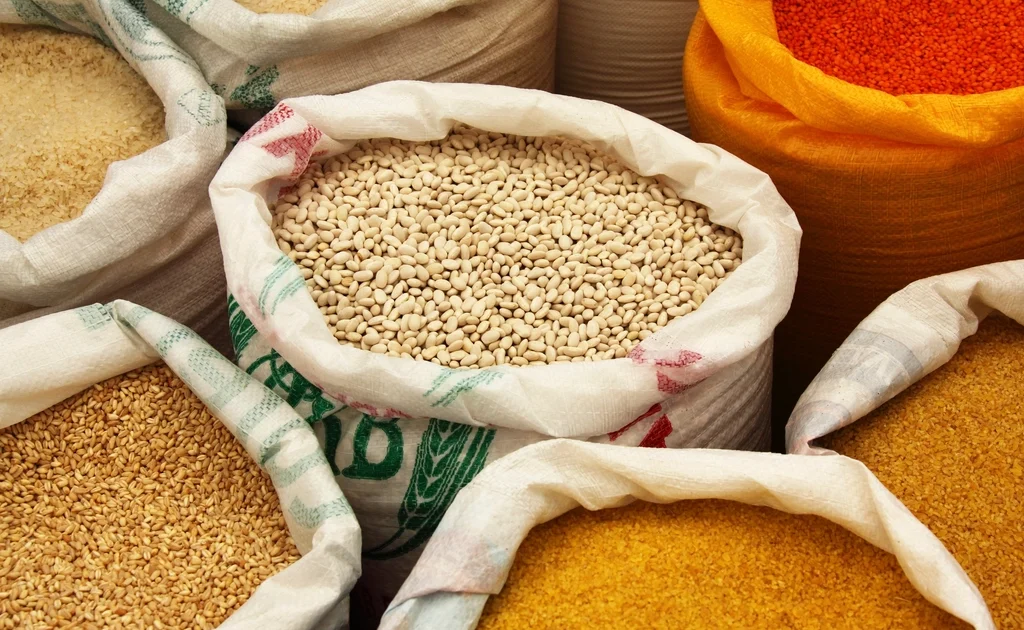
Scroll through enough wellness content and you’ll eventually run into a warning about “antinutrients” — compounds in beans, grains, spinach, and nuts that supposedly block your body from absorbing minerals. It sounds alarming enough that some people cut entire food groups to avoid them. But the science tells a much less dramatic story than the headlines suggest.
Antinutrients are real, and understanding how they work is useful. What’s usually missing from the conversation is context: for the vast majority of people eating a varied diet, these compounds are a minor factor, not a reason to avoid otherwise nutrient-dense foods like lentils, spinach, or whole grains.
What Antinutrients Actually Are
Antinutrients are naturally occurring plant compounds that can interfere with the absorption of certain minerals, or in some cases, digestive enzymes. The two most commonly discussed are phytates (also called phytic acid), found in grains, legumes, nuts, and seeds, and oxalates, found in foods like spinach, beet greens, rhubarb, and almonds.
Phytic acid binds to minerals such as iron, zinc, calcium, and magnesium in the digestive tract, which can modestly reduce how much of those minerals your body absorbs from a given meal. Oxalates bind primarily to calcium, and in susceptible individuals, high oxalate intake combined with certain risk factors has been linked to kidney stone formation. Other antinutrients include lectins, found in raw or undercooked legumes, and tannins, found in tea and coffee.
- Phytates: reduce absorption of iron, zinc, calcium, and magnesium
- Oxalates: bind calcium, relevant for kidney stone risk in susceptible people
- Lectins: can cause digestive upset if legumes are eaten raw or undercooked
- Tannins: can modestly reduce iron absorption from plant sources
Why the “Should You Worry” Question Is Overblown
The foods highest in antinutrients — legumes, whole grains, leafy greens, nuts — are also among the most nutrient-dense foods available, rich in fiber, plant protein, and micronutrients. Research consistently shows that for people eating a varied, balanced diet, the mineral-binding effect of antinutrients is real but modest, and it rarely translates into a clinically meaningful deficiency.
The concern is more relevant for people relying heavily on a narrow range of antinutrient-rich staple foods with little dietary variety, which is more of an issue in certain regions with limited food access than a concern for someone eating a typical varied Western diet. The Academy of Nutrition and Dietetics generally supports including legumes and whole grains as core components of a healthy eating pattern rather than restricting them over antinutrient concerns.
Traditional Food Prep Methods Already Solve Much of This
Long before “antinutrients” became a wellness buzzword, traditional food preparation methods were already reducing their impact — largely because these methods also happen to improve taste, texture, and digestibility.
Common preparation methods and their effects:
- Soaking: soaking beans, lentils, and grains for several hours before cooking reduces phytic acid content significantly.
- Sprouting: germinating seeds and grains activates enzymes that break down phytates naturally.
- Fermentation: processes like sourdough fermentation substantially reduce phytic acid in bread compared with unfermented dough.
- Cooking: boiling significantly reduces oxalate content in vegetables like spinach, since oxalates leach into the cooking water.
These aren’t obscure techniques — they’re the traditional ways humans have prepared legumes and grains for thousands of years, largely because soaked and cooked foods simply taste and digest better.
Who Should Actually Pay Closer Attention
While antinutrients aren’t a major concern for most healthy adults, a few groups may benefit from being more mindful:
- People with a history of calcium oxalate kidney stones, who may be advised by a healthcare provider to moderate high-oxalate foods like spinach, rhubarb, and beet greens.
- People at risk of iron or zinc deficiency, such as those on largely plant-based diets, who may benefit from soaking or sprouting legumes and grains, and pairing iron-rich plant foods with vitamin C sources to boost absorption.
- Infants and young children in regions where diets rely heavily on unprocessed grains as a dominant food source, where traditional processing methods matter more for overall mineral status.
For everyone else, the fiber, protein, vitamins, and minerals that legume- and grain-rich diets provide generally far outweigh the modest reduction in mineral absorption caused by antinutrients.
How to Apply This: A Practical Approach to Antinutrients
Rather than avoiding entire food groups, a more evidence-based approach focuses on simple preparation habits that reduce antinutrient content while keeping these foods in your diet.
- Soak dried beans and lentils for 8-12 hours before cooking, discarding the soaking water.
- Choose sourdough bread over some standard breads when possible, since fermentation reduces phytic acid.
- Cook oxalate-rich greens like spinach rather than eating them exclusively raw if you’re monitoring oxalate intake.
- Pair plant iron sources (lentils, spinach, beans) with a vitamin-C-rich food, like citrus or bell peppers, to improve iron absorption.
- Diversify your diet rather than relying on any single staple food, which naturally limits antinutrient buildup from any one source.
If you have a specific medical condition, such as recurrent kidney stones or a diagnosed mineral deficiency, talk to a registered dietitian or physician about whether adjusting your intake of specific antinutrient-containing foods makes sense for your situation.
Do antinutrients make beans and grains unhealthy?
No. Despite containing antinutrients, legumes and whole grains are consistently linked to better health outcomes in population studies, including improved heart health and blood sugar control, largely because of their fiber and micronutrient content.
Does cooking eliminate antinutrients completely?
Cooking significantly reduces many antinutrients, particularly lectins and some oxalates, but doesn’t eliminate all of them entirely. Combining cooking with soaking or fermentation typically has the biggest impact.
Should I avoid spinach if I’m worried about oxalates?
Most people don’t need to avoid spinach. It remains a good source of vitamins and minerals. Cooking it reduces oxalate content, and only people with a specific history of oxalate kidney stones typically need to moderate intake, ideally guided by a healthcare provider.
Are antinutrient supplements or “phytase” products worth buying?
For most people eating a varied diet with normal food preparation, they’re unnecessary. Simple, low-cost methods like soaking and cooking already address most of the concern without needing additional products.
Related reading
Affiliate & medical disclosure: This review is independent and for information only, not medical advice. Some links may be affiliate links; we may earn a commission at no cost to you, which never affects our score. Consult a licensed provider before starting any product.