Azelaic Acid for Skin: A Gentle Alternative to Retinol and Niacinamide
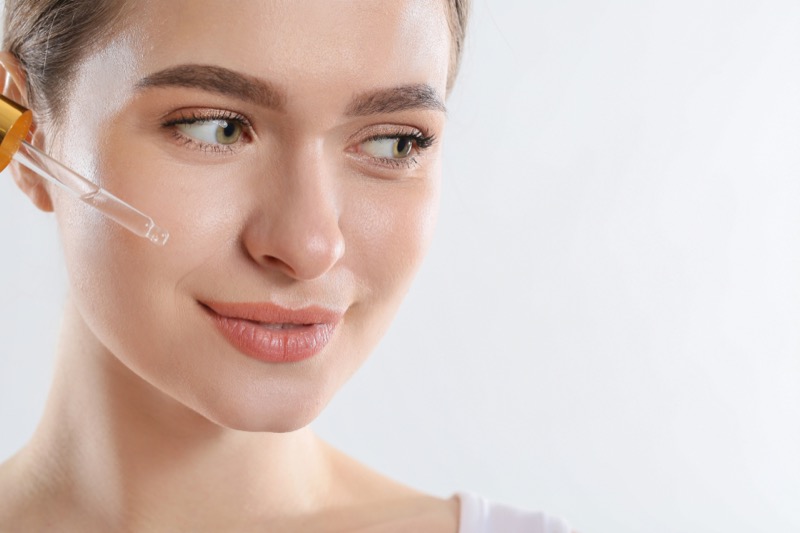
Somewhere between the aggressive reputation of retinol and the gentle-but-vague promises of niacinamide sits azelaic acid — an ingredient dermatologists have quietly relied on for decades, yet one most shoppers scroll past on the ingredient list.
Azelaic acid does not get the same influencer spotlight as its more famous shelf neighbors, but it has a genuinely useful profile for people dealing with redness, breakouts, and uneven tone, especially those whose skin reacts poorly to stronger actives. Here’s what it actually does, and how it compares to the ingredients it’s often mentioned alongside.
What Azelaic Acid Actually Is
Azelaic acid is a naturally occurring dicarboxylic acid found in grains like wheat, rye, and barley, though the version used in skincare is typically produced synthetically for consistency and purity. It’s available over the counter in lower concentrations (generally around 10%) and by prescription at higher strengths (15-20%) for more persistent skin concerns.
Unlike exfoliating acids that primarily work on the skin’s surface, azelaic acid has anti-inflammatory, antibacterial, and mild tyrosinase-inhibiting properties, meaning it can calm redness, help with acne-causing bacteria, and gradually fade dark spots by interrupting excess pigment production.
What the Evidence Supports
Azelaic acid has been studied and used clinically for both acne and rosacea for decades, and dermatology guidance generally recognizes it as an effective option for mild-to-moderate inflammatory acne and for reducing the visible redness and bumps associated with rosacea. Research consistently shows meaningful improvement in acne lesion counts over 8-12 weeks of consistent use.
For hyperpigmentation, azelaic acid is considered a gentler, slower-acting alternative to stronger agents like hydroquinone, with a lower risk of the rebound pigmentation some people experience with more aggressive treatments. It’s frequently recommended for people with darker skin tones specifically because it carries a comparatively lower risk of post-inflammatory hyperpigmentation from irritation.
- Reduces inflammatory acne lesions with consistent use over several weeks.
- Calms visible redness and bumps associated with rosacea.
- Gradually fades dark spots and uneven tone with a lower irritation profile than some alternatives.
- Considered safe for use during pregnancy at typical over-the-counter concentrations, though a healthcare provider should confirm this individually.
Azelaic Acid vs. Retinol
Retinol is a vitamin A derivative that speeds up cell turnover and stimulates collagen production, making it a strong choice for fine lines, texture, and stubborn acne, but it commonly causes dryness, peeling, and sun sensitivity, especially when introduced too quickly.
Azelaic acid works through a different mechanism entirely and is generally far better tolerated, making it a reasonable substitute or complement for people who cannot tolerate retinol’s irritation, including those with rosacea, eczema-prone skin, or a generally reactive complexion.
- Retinol: stronger anti-aging and cell-turnover effects, higher irritation potential.
- Azelaic acid: gentler, anti-inflammatory, better tolerated by sensitive and rosacea-prone skin.
- Many dermatologists suggest alternating nights or combining both once tolerance is established.
Azelaic Acid vs. Niacinamide
Niacinamide (vitamin B3) is a true multitasker, supporting the skin barrier, regulating oil production, and offering mild brightening with an excellent tolerability profile for nearly all skin types. Azelaic acid targets acne and pigmentation more directly and comes with actual clinical backing specifically for rosacea, which niacinamide does not carry to the same degree.
The two are not competitors so much as complements: niacinamide supports overall barrier health and tolerability, while azelaic acid addresses more specific concerns like breakouts, redness, and dark spots. Many routines successfully use both, just not necessarily layered at the exact same time if your skin is sensitive.
How to Apply This: Building It Into Your Routine
Azelaic acid is fairly forgiving, but a gradual introduction still reduces the odds of irritation, especially for people new to active ingredients.
- Start with a 10% over-the-counter formulation 2-3 times per week, applied to clean, dry skin.
- Follow with a fragrance-free moisturizer to support the skin barrier while it adjusts.
- Use sunscreen every morning, since fading pigmentation is undone quickly by unprotected sun exposure.
- If tolerated well after 2 weeks, increase to nightly use.
- Avoid layering with strong exfoliating acids (like glycolic or salicylic acid) on the same night until you know how your skin responds.
- For persistent acne or rosacea that doesn’t improve after 8-12 weeks, ask a dermatologist about prescription-strength azelaic acid.
Building a Full Routine Around Azelaic Acid
Because azelaic acid is relatively gentle, it fits well into a simple, sustainable routine rather than requiring an elaborate multi-step regimen. A minimal but effective approach usually beats a crowded routine where too many actives compete and increase the odds of irritation.
A sensible order for a morning and evening routine looks like this: cleanse, apply azelaic acid (evening, or morning if tolerated), moisturize, and finish with broad-spectrum sunscreen during the day. Adding too many additional actives — multiple exfoliants, strong vitamin C formulas, and retinol all at once — is one of the most common reasons people experience irritation and then wrongly blame a single ingredient.
- Morning: gentle cleanser, antioxidant serum (optional), moisturizer, sunscreen (SPF 30 or higher).
- Evening: gentle cleanser, azelaic acid, moisturizer.
- Reintroduce other actives like retinol or exfoliating acids on alternating nights once azelaic acid is well tolerated.
Possible Side Effects and Who Should Be Cautious
Mild tingling, itching, or dryness are the most commonly reported side effects, usually subsiding as the skin adjusts over the first couple of weeks. True allergic reactions are uncommon but possible, so a patch test is reasonable before applying it to the full face.
People with very reactive or compromised skin barriers should introduce it slowly and consider pairing it with barrier-supportive moisturizers. As with most active skincare ingredients, individual response varies considerably, and anyone with a diagnosed skin condition like rosacea or cystic acne should involve a dermatologist in choosing concentration and frequency rather than self-treating indefinitely without improvement.
Can I use azelaic acid every day?
Many people can, once their skin has adjusted over the first couple of weeks. Starting a few times a week and increasing gradually is the safer approach.
Can azelaic acid replace retinol entirely?
It can be a good substitute for people who can’t tolerate retinol, particularly for acne and redness, but it doesn’t replicate retinol’s collagen-stimulating, anti-aging effects to the same degree.
Is azelaic acid safe during pregnancy?
It’s often considered one of the safer active ingredients for pregnancy at standard over-the-counter concentrations, but you should always confirm any skincare ingredient with your obstetric provider.
How long until I see results from azelaic acid?
Most clinical improvement for acne and redness is seen over 8-12 weeks of consistent use; pigmentation fading is typically even slower and more gradual.
Related reading
Affiliate & medical disclosure: This review is independent and for information only, not medical advice. Some links may be affiliate links; we may earn a commission at no cost to you, which never affects our score. Consult a licensed provider before starting any product.