bmiMD Semaglutide vs Tirzepatide: An Honest Head-to-Head
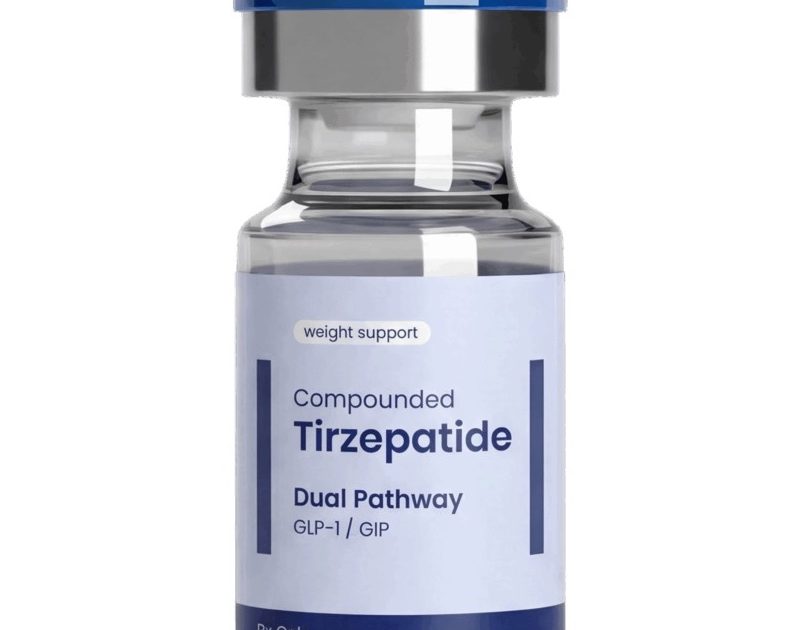
Every bmiMD signup eventually hits the same fork in the road: compounded semaglutide or compounded tirzepatide? They sit side by side on the pricing page, forty dollars a month apart, and the site politely declines to pick a favorite for you. That is fair — the medically right answer runs through a provider — but you still deserve to walk into that consultation knowing exactly what each corner of the ring offers.
So here it is: semaglutide versus tirzepatide, fought out across four rounds — mechanism, results, cost, and tolerability — with a verdict called at the end of each one. By the final bell you will know which molecule your budget and your goals are actually rooting for.
The two contenders, briefly
Both fighters come from the same gym. bmiMD — a telehealth program operated by Medccm Inc. with more than 80,000 members and a 4.4-star Trustpilot rating across roughly 867 reviews — prescribes both as compounded medications after a provider visit, with unlimited messaging included and a 100% money-back promise if you are not approved. Compounded semaglutide runs $129 month-to-month down to $99 a month on a 12-month plan; compounded tirzepatide runs $179 down to $139 on the same ladder.
One shared asterisk before the opening bell: compounded GLP-1s are not FDA-approved products. The active ingredients appear in FDA-approved drugs, but under federal compounding rules the compounded versions themselves never go through FDA review for safety or effectiveness. That is precisely why the prescription requirement and provider oversight matter — they are the quality control layer — and it applies equally to both contenders, so this round-by-round contest starts at a clean 0–0.
Round 1: Mechanism — one hormone or two
Semaglutide is a GLP-1 receptor agonist: it mimics one gut hormone that slows stomach emptying, curbs appetite, and steadies blood sugar. Tirzepatide does that and then reaches for a second lever — it also activates GIP receptors, a dual mechanism that appears to amplify both appetite suppression and metabolic effects. In the landmark trials of the branded versions, semaglutide produced roughly 15% average body-weight loss, while tirzepatide reached about 20% at the highest doses.
Two honest qualifiers. Those numbers come from the FDA-approved branded drugs, not from bmiMD’s compounded formulations, and individual responses scatter widely around any average — plenty of people respond beautifully to semaglutide and some respond only modestly to tirzepatide. But if you are betting on the mechanism alone, one of these molecules simply pulls two levers instead of one.
Round 1 verdict: tirzepatide, clearly.
Round 2: The monthly math
Now the champion of Round 1 has to defend a price premium. Here is the full ladder for both medications at bmiMD:
| Commitment | Semaglutide | Tirzepatide | Gap/month |
|---|---|---|---|
| Month-to-month | $129 | $179 | $50 |
| 3-month plan | $119 | $159 | $40 |
| 6-month plan | $109 | $149 | $40 |
| 12-month plan | $99 | $139 | $40 |
Over a full year on the 12-month tiers, tirzepatide costs $480 more ($1,668 versus $1,188 prepaid). That is real money, but keep it in context: it is a fraction of what a single month of the branded versions can cost without insurance. A subscribe-and-save option shaves a further 10% off either medication. The flip side of those falling prices is commitment — the 12-month tier means prepaying $1,188 or more up front, so read the refund terms before you lock a year of your budget into either corner.
Round 2 verdict: semaglutide — the cheapest tier in the whole building is its $99 twelve-month rate.
Round 3: Tolerability and the adjustment weeks
Both molecules share the classic GLP-1 side-effect profile — nausea, constipation, fatigue during dose escalation — and both settle down for most people as the body adapts. Head-to-head trial data suggests the two are broadly comparable on gastrointestinal complaints, with some analyses giving tirzepatide a slight edge in tolerability at matched levels of weight loss, though differences are modest and individual.
What tips this round is not the molecules but the support around them. bmiMD’s unlimited provider messaging matters most in exactly these first weeks, when dose pacing makes or breaks the experience. And if even standard escalation feels like too much, the program also offers microdose GLP-1 tracks — a gentler on-ramp that most competitors do not advertise — plus non-GLP-1 alternatives (metformin, MIC+B12 injections, and a naltrexone/bupropion/B6 combination) if injectables are not for you at all.
Round 3 verdict: a draw on the drugs; the real winner is picking the dose pace that lets you stay on whichever one you choose.
Round 4: Who each molecule is built for
Semaglutide is the veteran: more years of real-world use, a mechanism your provider has seen play out thousands of times, and the lowest cost of entry. If your goal is losing 10–15% of body weight, building sustainable habits along the way, there is a strong argument you never need the second hormone. Tirzepatide is the heavier hitter: if you have significant weight to lose, if you tried a GLP-1-only medication before and stalled, or if you want the statistically strongest tool available for your $139–179, the dual agonist is the rational splurge.
Round 4 verdict: split decision — semaglutide for moderate goals and tight budgets, tirzepatide for bigger targets and prior plateaus.
Which should you pick?
Choose semaglutide if this is your first GLP-1, your target is moderate, or the $480-a-year gap would strain the budget you also need for food and gym. Starting cheaper and upgrading later is a perfectly good strategy — bmiMD prescribes both, so switching is a provider conversation, not a platform change. Choose tirzepatide if you have more than 20% of body weight to lose, semaglutide alone underwhelmed you in the past, or you would rather pay for the strongest evidence-backed option once than wonder “what if” monthly. Choose neither yet if you are needle-averse or medication-cautious — ask about the microdose and non-GLP-1 tracks first.
Frequently asked questions
Are bmiMD’s medications FDA approved?
No — and no compounded GLP-1 anywhere is. The active ingredients appear in FDA-approved drugs, but compounded formulations themselves are not FDA reviewed. bmiMD pairs them with a prescription requirement and licensed provider oversight, which is the appropriate safeguard for this category.
Can I switch from semaglutide to tirzepatide mid-program?
Switching is a clinical decision made with your provider, and the unlimited messaging makes it easy to raise. Mind your billing tier, though — prepaid plans are commitments, so time a switch around your renewal.
What if I’m not approved after paying?
bmiMD advertises a 100% money-back guarantee if a provider does not approve you for treatment, which removes the main financial risk of applying.
Is the cheaper 12-month tier worth the lock-in?
If you already know GLP-1s suit you, prepaying saves $360 a year on semaglutide versus month-to-month. If you are new to these medications, consider starting on a shorter tier and stepping down in price once your dose is stable.
Final decision
On the scorecards: tirzepatide takes mechanism, semaglutide takes price, tolerability is even, and fit splits by fighter. That is not a cop-out — it is the honest shape of this matchup. The strongest molecule is tirzepatide; the strongest value is semaglutide at $99; the strongest choice is the one a licensed provider confirms fits your history. bmiMD’s quiz costs nothing, approval is guaranteed refundable, and both contenders are waiting in the ring.
Related reading
Affiliate & medical disclosure: This review is independent and for information only, not medical advice. Some links may be affiliate links; we may earn a commission at no cost to you, which never affects our score. Consult a licensed provider before starting any product.