Canned Beans vs Dried Beans: Nutrition, Sodium, and Convenience Compared
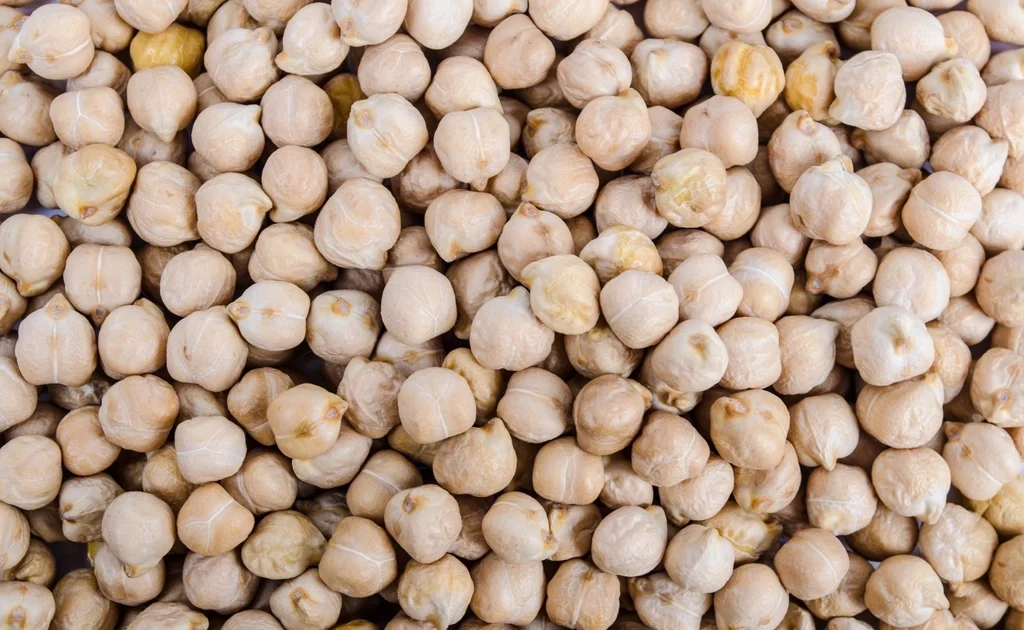
Walk down the legume aisle and you’re faced with a familiar choice: grab the convenient can, or commit to a soak-and-simmer session with a bag of dried beans. Both promise the same fiber-and-protein payoff, but a common mistake is assuming they’re nutritionally interchangeable in every respect. They’re close, but the differences — especially around sodium — are worth understanding before you fill your cart.
Beans and other legumes are one of the few foods nutrition experts across the spectrum agree on. The USDA’s dietary guidelines group beans, peas, and lentils with both protein foods and vegetables, and a single cooked cup typically delivers around 15 grams of protein and 15 grams of fiber. The question isn’t whether to eat beans — it’s which format actually fits your health goals, budget, and schedule.
The Core Nutrition Profile: More Alike Than Different
Whether they come from a can or a pot you cooked yourself, beans retain the bulk of their nutritional value. Protein, fiber, folate, iron, magnesium, and potassium are all present in meaningful amounts in both forms, because these nutrients are relatively stable through cooking and canning.
Canning is essentially a high-heat cooking and preservation process, so canned beans are already fully cooked. That’s part of why they’re so convenient — there’s no soaking, no simmering, just a rinse and a reheat.
- Protein: roughly 7-8 grams per half-cup serving in both forms
- Fiber: roughly 6-8 grams per half-cup, supporting the Academy of Nutrition and Dietetics’ general fiber guidance of about 25-38 grams per day depending on age and sex
- Iron, magnesium, and potassium: comparable levels in canned versus home-cooked dried beans
Where They Diverge: Sodium Content
The biggest nutritional gap between canned and dried beans is sodium. A half-cup serving of regular canned beans can contain 300-400 mg of sodium, largely from the packing liquid, while the same amount of home-cooked dried beans made without added salt contains close to none.
The American Heart Association recommends most adults limit sodium to no more than 2,300 mg per day, with an ideal limit of about 1,500 mg for many people, particularly those managing blood pressure. That means a single serving of unrinsed canned beans can represent 15-25% of a full day’s sodium allowance before you’ve added anything else to the meal.
The fix is simple: a commonly cited USDA-supported analysis found that rinsing canned beans under running water for even 30 seconds can reduce their sodium content by roughly 40%. Choosing “no salt added” varieties reduces it even further, often to levels close to home-cooked beans.
Nutrient Retention: Does Canning or Boiling Cause Losses?
Water-soluble nutrients, particularly some B vitamins like folate, can leach into cooking liquid or canning brine. This is one reason nutrition guidance often suggests using bean cooking liquid in soups and stews rather than discarding it, when sodium isn’t a concern.
That said, the losses are modest relative to the overall nutrient density of legumes. Fiber, protein, and minerals like iron and magnesium are far more heat-stable and largely unaffected by either preparation method, so neither format should be considered “nutritionally inferior” in a meaningful way.
Cost, Time, and Practical Trade-Offs
Dried beans are typically the cheaper option per serving, sometimes by a significant margin, since you’re not paying for water, canning, or the metal container. They also let you control sodium and texture precisely. The trade-off is time: most dried beans need several hours of soaking plus 45-90 minutes of simmering, depending on the variety and your altitude.
Canned beans solve the time problem entirely. For anyone trying to meet the USDA’s recommendation to include legumes regularly as part of a varied protein pattern, convenience often determines whether that goal actually happens on a Tuesday night.
- Dried beans: lower cost, full sodium control, longer prep time, longer shelf life as a dry good
- Canned beans: higher cost per serving, added sodium unless rinsed or “no salt added,” ready in minutes
How to Choose: A Practical Decision Guide
Neither option is universally “better” — the right choice depends on your week. Here’s a simple approach that works for most households:
- If you’re short on time most weeknights, keep canned “no salt added” or low-sodium beans stocked, and always rinse standard canned beans before using them.
- If you cook in batches on weekends, dried beans are more economical — cook a large pot, then portion and freeze in 1-2 cup servings for quick use later in the week.
- If sodium is a specific health concern (for example, if you’re managing blood pressure), prioritize dried beans or rinsed, no-salt-added canned beans over regular canned varieties.
- Mix both: use canned beans for fast weeknight meals and dried beans for slow-cooked dishes like chili or soup where the extra time pays off in flavor.
Whichever you choose, the bigger win is simply eating legumes consistently. Research consistently shows that regular legume consumption is associated with better long-term markers of heart and metabolic health, so the format matters far less than the frequency.
Texture and Culinary Considerations
Dried beans, cooked from scratch, tend to hold their shape better and have a firmer, creamier texture — useful for dishes like salads or bean bowls where you want distinct beans rather than a softer, slightly mushier texture. Canned beans work well in soups, dips, and mashed preparations like hummus, where a softer texture isn’t a drawback.
If you find canned beans have an off “tinny” taste, rinsing them thoroughly and briefly simmering them in fresh water with aromatics like garlic or a bay leaf can improve both flavor and texture significantly.
Do I need to rinse canned beans every time?
It’s a good habit for sodium reduction and also removes some of the starchy liquid that can make dishes taste “canned.” The exception is if a recipe specifically calls for the liquid (aquafaba) for a functional purpose, like as an egg substitute in baking.
Are BPA-lined cans something I should worry about?
Many manufacturers have moved to BPA-free can linings in response to consumer and regulatory pressure, and exposure from occasional canned food consumption is generally considered low-risk by major health bodies. If you’re concerned, look for “BPA-free” labeling or opt for dried beans, which sidestep the question entirely.
Can I substitute canned beans for dried beans in a recipe?
Yes, generally one 15-ounce can (drained and rinsed) is roughly equivalent to 1.5 cups of cooked dried beans, which corresponds to about half a cup of dried beans before cooking. Adjust seasoning since canned beans already carry some salt.
Which has more protein, canned or dried beans?
Essentially the same, gram for gram, once both are cooked. The protein content of beans is determined by the bean itself, not the preparation method, so your choice should come down to sodium, cost, and convenience rather than protein content.
Related reading
Affiliate & medical disclosure: This review is independent and for information only, not medical advice. Some links may be affiliate links; we may earn a commission at no cost to you, which never affects our score. Consult a licensed provider before starting any product.