Fermented Foods and Gut Health: What the Evidence Really Shows
Walk down any grocery aisle today and you’ll see kombucha, kimchi, and “gut-friendly” yogurt marketed as near-miracle foods. But before you build a whole shopping list around fermentation, it helps to know what fermented foods actually do inside your body and where the science is still catching up to the marketing.
One of the most common mistakes people make is assuming that any fermented product automatically delivers a meaningful dose of live, beneficial bacteria. In reality, pasteurization, cooking, and shelf-stabilization can wipe out the very microbes that made a food “probiotic” in the first place, so reading labels carefully matters as much as choosing the right foods.
What Fermentation Actually Does
Fermentation is a process in which bacteria, yeasts, or other microbes break down sugars and starches in food. This can increase the number of live microorganisms in a product, improve the digestibility of certain nutrients, and in some cases create compounds like short-chain fatty acids that support the gut lining.
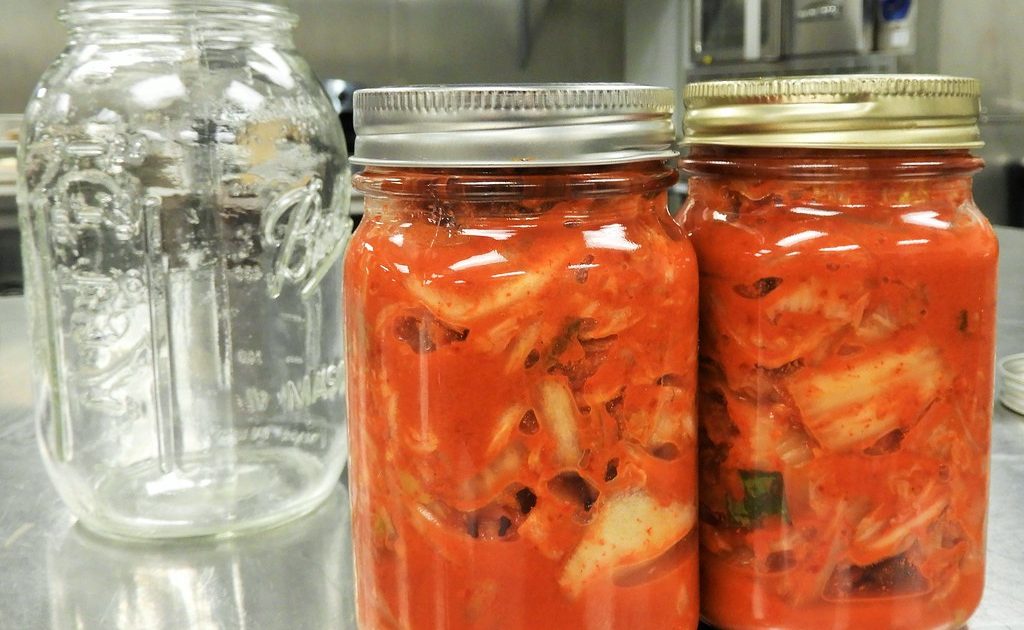
Common fermented foods include yogurt with live active cultures, kefir, sauerkraut, kimchi, miso, tempeh, and traditionally made kombucha. Not every food that goes through a fermentation process retains live cultures by the time it reaches your plate, which is an important distinction from foods labeled simply as “cultured.”
What the Research Actually Supports
The Academy of Nutrition and Dietetics notes that fermented foods can be a useful way to introduce beneficial bacteria and diversify the gut microbiome as part of an overall healthy eating pattern, though it stops short of framing them as a cure for specific conditions. Research consistently shows that a more diverse gut microbiome is associated with better digestive and immune function, and fermented foods are one accessible way to support that diversity.
The NIH has funded ongoing research into the gut microbiome’s role in immunity, metabolism, and even mood, but scientists are still working out exactly which strains, doses, and combinations produce reliable benefits for specific people. That means claims that a single serving of yogurt will “fix” digestion or immunity outrun what the current evidence can support.
- Yogurt and kefir with live active cultures are among the most studied fermented foods for digestive comfort.
- Fiber-rich foods (vegetables, whole grains, legumes) feed the bacteria already living in your gut, working alongside fermented foods rather than replacing them.
- Individual responses vary widely — what improves digestion for one person may cause bloating in another, especially when introduced too quickly.
Common Mistakes to Avoid
A frequent misstep is assuming more is always better. Introducing large amounts of fermented food too quickly can cause temporary bloating or gas, especially in people who aren’t used to a high-fiber, high-microbe diet. Starting small and increasing gradually tends to be far more comfortable.
Another mistake is relying on “gut health” supplements or trendy drinks that lack third-party verification of live culture counts. Whole, traditionally prepared fermented foods generally offer more predictable benefits than heavily processed drinks with added sugar, some of which can contain as much sugar as a can of soda.
Fermented Foods and the Rest of Your Diet
Fermented foods work best as part of a broader pattern rather than a standalone fix. The USDA’s Dietary Guidelines for Americans emphasize variety, adequate fiber, and limiting added sugars — a framework that fermented foods can fit into naturally when chosen well, such as plain kefir over a sweetened flavored version.
Pairing fermented foods with prebiotic fiber sources like onions, garlic, oats, and bananas may help support the bacteria you’re adding, since those fibers act as fuel for a healthy microbiome. This combination approach is sometimes referred to informally as a “synbiotic” pattern.
Fermented Foods Around the World
Nearly every food culture has its own fermented staples, which is a useful reminder that this isn’t a passing trend but a centuries-old food preservation and flavor technique. Korean kimchi, German sauerkraut, Japanese miso and natto, Indian dahi (yogurt), and Ethiopian injera all rely on fermentation, developed long before anyone understood the microbiology behind why these foods kept well and tasted the way they do.
This global variety also means there’s likely a fermented food that fits almost any palate or cuisine you already enjoy, which can make it easier to build a sustainable habit rather than forcing down a product you don’t actually like the taste of. Trying a few different options — a spoonful of miso in soup, a dollop of plain yogurt on a savory dish, a small side of kimchi — is a reasonable way to find what fits naturally into your existing meals.
How to Apply This: A Simple Weekly Plan
You don’t need to overhaul your diet overnight. Here’s a gradual way to start incorporating fermented foods:
- Week 1: Add a small serving (about 1/4 cup) of plain yogurt or kefir most days.
- Week 2: Introduce a spoonful of sauerkraut or kimchi alongside a meal, 2-3 times a week.
- Week 3: Try miso in a soup or dressing, and rotate in tempeh as a protein source once or twice.
- Ongoing: Pair these foods with fiber-rich vegetables and whole grains, and watch how your digestion responds, adjusting portions as needed.
If you have a digestive condition such as IBS or are immunocompromised, it’s worth talking to a healthcare provider or registered dietitian before significantly increasing fermented food intake, since individual tolerance and medical circumstances vary.
Do fermented foods count as probiotics?
Only if they contain live, active cultures in meaningful amounts. Pasteurized or heavily cooked fermented foods (like most canned sauerkraut or baked goods made with fermented dough) typically no longer contain live microbes, even though they went through fermentation.
How much fermented food should I eat per day?
There’s no official universal target, but many dietitians suggest one to two servings a day as a reasonable starting point, adjusted based on personal tolerance and any digestive symptoms.
Can fermented foods replace a probiotic supplement?
They can be a valuable part of the picture, but supplements and foods aren’t directly interchangeable since strains and doses differ. Discuss specific health goals with a healthcare provider before choosing between them.
Are fermented drinks like kombucha healthy?
Traditionally brewed kombucha can offer live cultures, but many commercial versions are high in added sugar. Check the label and consider it a treat rather than a core gut-health strategy.
Related reading
Affiliate & medical disclosure: This review is independent and for information only, not medical advice. Some links may be affiliate links; we may earn a commission at no cost to you, which never affects our score. Consult a licensed provider before starting any product.