Frozen Produce: The Nutrition Bargain Hiding in Your Freezer
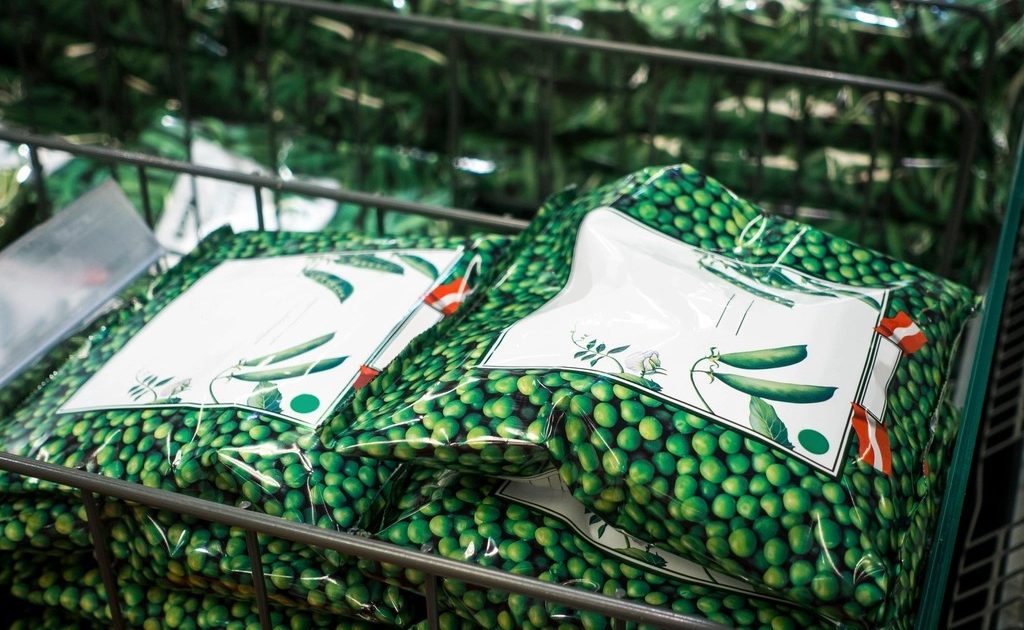
There’s a hierarchy in the produce world, and everyone quietly believes it: farmers market at the top, supermarket fresh in the middle, and frozen somewhere near the bottom, next to canned, wearing a faint air of defeat. Bags of frozen peas are what you press against sprained ankles, not what nutrition is made of. Right?
Wrong, and measurably so. The freezer case is arguably the best value-per-vitamin real estate in the entire grocery store, and the science backing that claim is more solid than most of what gets said about “eating fresh.” Time to give the freezer aisle its overdue apology.
The dirty secret of “fresh” produce
The green beans in the fresh section have usually had a long week. Picked before peak ripeness so they survive shipping, trucked for days, warehoused, stocked, then parked in your crisper drawer for another five days while you order takeout. Vitamins don’t wait patiently through all that. Vitamin C, the most fragile of the bunch, degrades steadily with time, light, and warmth — studies have measured spinach losing half or more of its vitamin C within roughly a week of typical refrigerated storage. Folate and thiamin bleed away similarly.
Frozen produce runs the opposite play. It’s typically harvested at peak ripeness — when nutrient content is highest — then blanched and flash-frozen within hours. The freeze locks the nutritional clock in place. Peer-reviewed comparisons, including a well-known series of studies from the University of Georgia and UC Davis, repeatedly found frozen fruits and vegetables nutritionally equal to their fresh counterparts — and in a fair number of head-to-heads (vitamin C in frozen broccoli and green beans, for instance), the frozen version won, because “fresh” had spent too long commuting.
Blanching does trim some water-soluble vitamins slightly. So does the week your fresh kale spent dying in the drawer. It’s not a purity contest; it’s a race against decay, and freezing mostly wins it.
The math that matters more than micronutrients
Here’s the number that should really drive this conversation: per CDC surveillance data, only about one in ten American adults eats the recommended amount of vegetables. The average person’s problem isn’t choosing between fresh and frozen spinach — it’s eating spinach at all. Anything that lowers the barriers deserves promotion, and frozen lowers all three big ones:
- Cost. Frozen typically runs meaningfully cheaper per edible serving than fresh — often 25 to 50 percent less for things like berries, and the gap widens out of season. No stems, husks, or rinds you paid for and threw away.
- Waste. Roughly a third of household food waste is fresh produce that spoiled on the bench. Frozen waits months. Buying frozen converts “aspirational vegetables” into eaten ones — that wilting rebuke in your crisper drawer has no frozen equivalent.
- Prep friction. Pre-washed, pre-chopped, portionable by the handful. The distance between “I should eat vegetables” and vegetables-in-pan is about forty seconds.
USDA guidance is explicit that frozen counts fully toward fruit and vegetable recommendations. There’s no asterisk. There never was.
Where frozen genuinely falls short
Honesty section. Texture is the real casualty of freezing — ice crystals rupture cell walls, so thawed produce goes soft. Nobody’s making a fresh-tasting salad from frozen lettuce (don’t try), frozen berries emerge jammy rather than firm, and frozen zucchini is a moisture incident waiting to happen. Frozen shines in anything cooked, blended, or simmered: stir-fries, soups, curries, smoothies, sheet-pan roasting, oatmeal toppings. It’s a supporting-cast superstar, not a crudité platter.
And read the label, because the freezer aisle contains traps: vegetables drowned in cheese sauce, fruit packed with added sugar, “seasoned” blends carrying surprising sodium. The bags you want have ingredient lists that read like a haiku — “broccoli.” One item. Done.
My gripe, while we’re being honest, is with the reverse snobbery too — the internet’s periodic discovery that “frozen is actually healthier than fresh!” A just-picked August tomato or in-season local strawberries beat their frozen versions on flavor, and flavor is why people eat plants twice. If the farmers market makes you eat more vegetables, that’s the winning system for you. The point isn’t that frozen is supreme. It’s that the hierarchy was fake all along.
Stocking a freezer that earns its electricity
- Workhorse vegetables: spinach (soups, eggs, pasta), broccoli florets, green beans, peas, corn, and a stir-fry blend. Riced cauliflower if grain-swapping is your thing.
- Fruit: mixed berries, mango chunks, sliced bananas for smoothies and yogurt. Cherries feel like a luxury and cost like a commodity.
- Flavor base: frozen chopped onion, pepper strips, and minced garlic cubes — the ingredients whose fresh prep talks people out of cooking dinner.
- Technique notes: roast frozen vegetables on a preheated sheet pan at high heat (425°F) without thawing for the best texture; steam-in-bag works for weeknights; add frozen spinach straight into hot dishes and let the pan do the thawing.
- Use the blanch-and-freeze move yourself when fresh produce is about to turn: two minutes in boiling water, ice bath, bag, freeze. Summer corn in January is a small, legal form of time travel.
Is frozen produce as healthy as fresh?
Nutritionally, yes — the published comparisons show equivalence overall, with frozen occasionally ahead on fragile vitamins like C because it skips the long fresh-supply-chain decline. In-season, quickly eaten fresh produce is excellent too. The worst option is the fresh produce you buy and throw away.
Does frozen produce have preservatives?
Plain frozen fruits and vegetables almost never need them — freezing is the preservation. Check the label anyway; the single-ingredient bags are the default, and sauced or seasoned products are where additives, sodium, and sugar sneak in.
Can I refreeze vegetables after thawing?
If they thawed in the refrigerator, USDA food-safety guidance says refreezing is safe, though texture takes another hit. Vegetables thawed on the counter for hours are a food-safety question mark — cook them instead, or let them go.
Why do my frozen vegetables come out soggy?
Usually steam. Crowded pans, thawing before cooking, or low heat all trap moisture. Cook from frozen, use your hottest pan or oven, spread things in one layer, and salt near the end. Soggy is a technique problem, not a frozen problem.
Related reading
Affiliate & medical disclosure: This review is independent and for information only, not medical advice. Some links may be affiliate links; we may earn a commission at no cost to you, which never affects our score. Consult a licensed provider before starting any product.