Gua Sha and Facial Massage Tools: What They Can (and Can’t) Do for Your Skin
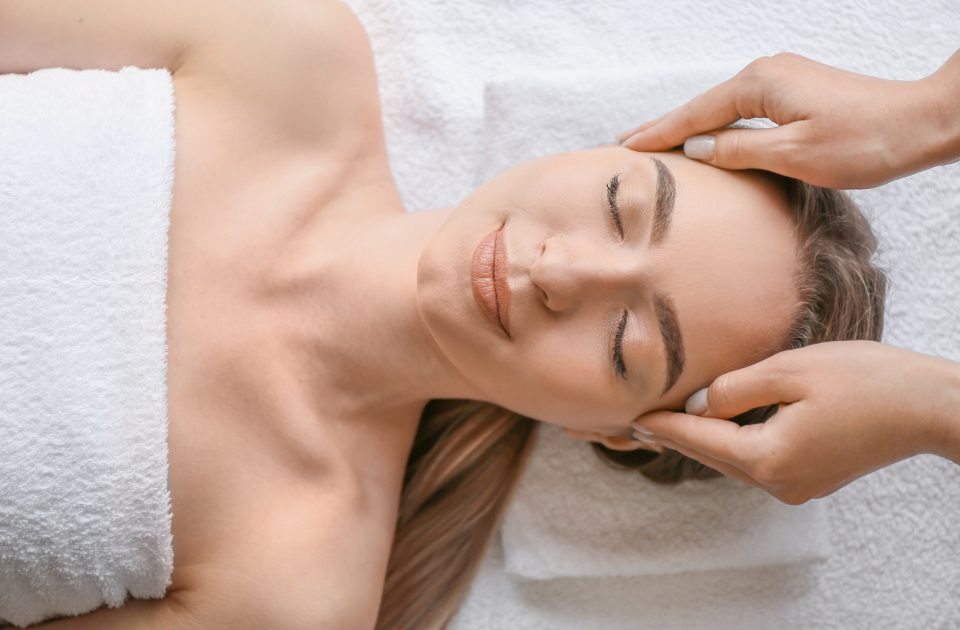
Scroll through any skincare feed and you will eventually see someone dragging a smooth stone tool across their cheekbones, claiming it “sculpts” the jaw and “detoxes” the face in five minutes flat. Facial gua sha and jade rollers have become some of the most photogenic tools in modern skincare — but a lot of what circulates about them overstates what a handheld stone can actually do.
A common mistake is expecting these tools to replace active ingredients like retinoids or sunscreen, or believing a single session will produce lasting structural changes to the face. Used correctly and with realistic expectations, gua sha and rollers can still be a genuinely relaxing, low-risk addition to a skincare routine — just not for the reasons most viral videos suggest.
What Gua Sha and Facial Rollers Actually Are
Gua sha is a practice with roots in traditional Chinese medicine, traditionally performed with a smooth-edged stone tool scraped along the skin. In its modern skincare form, it has been adapted into a facial technique using gentle, repeated strokes along the jaw, cheeks, and forehead, typically with a facial oil or serum to reduce friction.
Jade rollers and similar tools work on a related principle: a rolling stone head is moved across the face to apply light pressure and massage rather than the scraping motion used in gua sha. Both tools are marketed heavily on aesthetics and ritual, but their actual physiological effects are more modest and short-lived than most marketing implies.
What the Evidence Actually Supports
The most consistent, well-supported effect of facial massage tools is temporary: increased local blood flow and light lymphatic stimulation can produce a short-term de-puffing effect and a subtle, temporary glow, similar to what happens after any gentle facial massage. This effect typically fades within hours.
There is currently no strong evidence that gua sha or rollers meaningfully reduce wrinkles, “sculpt” facial bone structure, or produce lasting changes to skin firmness. Claims about permanent jawline definition or long-term collagen stimulation from these tools go well beyond what published research supports. Where facial massage does show more consistent benefit is in stress reduction and relaxation — the ritual and touch involved can lower perceived tension, which is a real, if modest, wellness benefit in its own right.
Potential Downsides and Who Should Be Cautious
Facial massage tools are generally low-risk, but they are not risk-free. Overly aggressive scraping, especially without adequate lubrication from oil or serum, can cause micro-tears, redness, or bruising, particularly on thin or sensitive skin.
- People with active acne, rosacea flare-ups, or broken skin should avoid vigorous massage over affected areas, since friction can worsen inflammation.
- Those with a history of broken capillaries or very sensitive, reactive skin should use lighter pressure or skip the practice on flare-up days.
- Anyone using strong active ingredients like retinoids the same day should be gentle, since irritated or actively peeling skin is more vulnerable to friction.
Cleaning stone tools regularly is also important, since a porous or unwashed tool can transfer bacteria and oils back onto the face, potentially contributing to breakouts.
How Facial Massage Compares to Proven Skincare Habits
It is worth being clear-eyed about where gua sha and rollers rank compared to interventions with stronger evidence behind them. Daily broad-spectrum sunscreen remains one of the most well-supported ways to prevent visible skin aging, since UV exposure is a primary driver of wrinkles and pigmentation changes over time.
Ingredients like retinoids and vitamin C have substantially more research behind their ability to influence collagen production and pigmentation than any facial tool does. This does not mean gua sha has no place in a routine — it simply means it should be treated as a relaxing, complementary ritual rather than a primary anti-aging strategy.
Individual results also vary considerably based on skin type, baseline circulation, and technique consistency. People managing a diagnosed skin condition such as rosacea, eczema, or dermatitis should check with a dermatologist or healthcare provider before adding vigorous facial massage to their routine, since friction and pressure can sometimes aggravate an existing flare-up rather than soothe it. As with most wellness tools, gua sha works best as one small piece of a broader routine rather than a stand-alone fix.
How to Use These Tools Properly
If you want to try facial massage tools, technique and hygiene matter more than the specific stone type.
- Apply a facial oil or serum first so the tool glides without dragging or tugging the skin.
- Use light to moderate pressure — enough to feel the massage, not enough to cause pain, redness that lasts, or visible bruising.
- Move in consistent, gentle strokes outward and upward from the center of the face toward the ears and down the neck, generally following the direction lymphatic fluid naturally drains.
- Limit sessions to a few minutes, a few times a week, rather than daily aggressive use.
- Clean the tool after each use with soap and water or an alcohol wipe to prevent bacteria buildup.
Think of it as a short self-massage ritual layered on top of, not instead of, sunscreen, a gentle cleanser, and any actives suited to your skin concerns.
Does gua sha actually reduce puffiness?
It can produce a temporary de-puffing effect by encouraging fluid movement near the surface of the skin, similar to any gentle facial massage. The effect is generally short-lived, lasting hours rather than days, which is why many people use it as a quick pre-event ritual rather than a long-term treatment.
Can gua sha replace Botox or other cosmetic procedures?
No. There is no strong evidence that facial massage tools produce structural changes comparable to injectable treatments or professional procedures. Their effects are limited to temporary circulation and relaxation benefits.
How often should I use a jade roller or gua sha tool?
A few times a week is a reasonable starting point for most people. Daily use is fine if your skin tolerates it well and you are using gentle pressure, but there is no evidence that more frequent use produces meaningfully better results.
Are metal or crystal tools better than plastic ones?
Material has not been shown to change the skin benefits meaningfully. Stone and metal tools can feel cooler and add a pleasant sensory element, but the mechanical massage effect is similar regardless of material, so personal preference and proper hygiene matter more than the specific material chosen. A well-maintained plastic tool used with good technique will outperform an expensive crystal one used carelessly.
Related reading
Affiliate & medical disclosure: This review is independent and for information only, not medical advice. Some links may be affiliate links; we may earn a commission at no cost to you, which never affects our score. Consult a licensed provider before starting any product.