HealthRX vs the Budget GLP-1 Programs: Does Fast Approval Justify the Price?
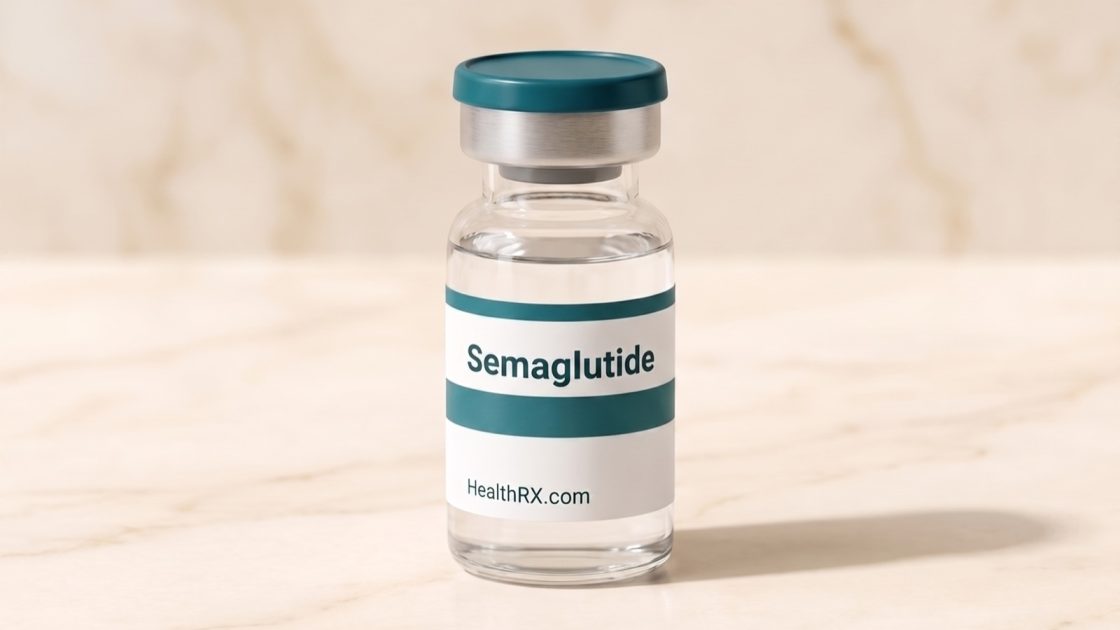
Line up a dozen compounded-GLP-1 programs and the prices blur together fast — $79 here, $99 there, a promo credit that expires before your second dose. HealthRX sits right in that budget bracket at $99 a month, so a fair HealthRX vs the budget GLP-1 programs comparison for 2026 can’t stop at the sticker. The question worth asking is what the money buys beyond the vial. HealthRX’s pitch is fast approval and a refund if a provider turns you down. Does that safety net justify picking it over a rival that’s a few dollars cheaper? Depends on how much you value not losing your money if things don’t work out.
Where HealthRX lands on price
The number most people see first is $99 a month for compounded semaglutide — but that’s the 12-month commitment rate. Choose the shorter 3-month plan and it’s closer to $133. Tirzepatide, the stronger dual-action option, runs higher, roughly $179–$209 depending on the plan and dose. One transparent price covers the medication and the program; no insurance is involved. You can cancel in a click. That’s genuinely competitive, and it undercuts brand-name cash pricing by a wide margin — Wegovy and Zepbound still sit near $500–$1,000 a month.
So on raw cost, HealthRX isn’t the absolute cheapest, but it’s close. The rock-bottom programs shave a bit more off. Here’s the tradeoff.
| HealthRX | Typical bare-bones budget program | |
|---|---|---|
| Semaglutide start | $99–$133 / mo | $79–$99 / mo |
| Tirzepatide | ~$179–$209 / mo | Varies, often add-on priced |
| Refund if not approved | Yes, money-back guarantee | Often none |
| Pricing shown upfront | Yes, one flat price | Sometimes after intake |
| Cancel anytime | One click | Varies |
The refund-if-not-approved angle
This is HealthRX’s real differentiator, and it’s worth reading carefully rather than taking at face value. HealthRX runs a 30-day money-back guarantee: if a licensed provider reviews your intake and decides a GLP-1 isn’t appropriate for you, you get refunded. Cheaper competitors frequently don’t offer that. Sign up somewhere with no guarantee, get declined, and you can be out your first payment with nothing to show for it.
The catch — and there’s always a catch — is the fine print. The refund covers membership fees for roughly the first four months, and it excludes third-party costs like the doctor-visit fee. So it’s a real protection, not a blank check. If you’re on the fence about whether you’ll even qualify, that guarantee has actual value that a $79 program without one can’t match. If you already know you qualify, you’re partly paying for insurance you won’t use.
Does fast approval come at a cost?
Fast approval is the other selling point, and it deserves a skeptical eye. Quick doesn’t mean skipped. A licensed provider still reviews your medical history and decides whether to prescribe — that’s not optional, and any service claiming to hand out GLP-1s without a real review would be the one to avoid. HealthRX is LegitScript certified, which is a meaningful third-party check on whether a telehealth pharmacy operation plays by the rules. Where “fast” actually helps is in cutting the dead time: less waiting on portal messages, quicker turnaround from approval to shipment. For someone who’s already decided and just wants to start, that speed is a fair thing to pay a small premium for.
The FDA backdrop nobody should ignore
One thing applies to HealthRX and every budget rival equally: compounded semaglutide and tirzepatide are not FDA-approved products. They’re prepared by licensed compounding pharmacies under a prescription written for you, and the FDA doesn’t review them for safety, effectiveness, or quality before they reach you the way it does brand-name Wegovy or Zepbound. As of 2026, the FDA proposed excluding compounded semaglutide and tirzepatide from its 503B bulk-drug list, with a public comment window that closed June 29. Translation: this whole category is under active regulatory review, and the product you order today could be affected down the line. That’s a reason to prefer a program that lets you cancel easily and doesn’t lock you into a long prepayment you can’t exit.
So — is it worth it?
For a lot of people, yes. GLP-1 demand is enormous — roughly 42% of U.S. adults, about 100 million people, meet the clinical definition of obesity per NIH figures — and the market has filled up with programs racing to the cheapest possible headline. HealthRX isn’t winning that race by a dollar or two, and it doesn’t try to. It competes on the refund guarantee, upfront pricing, and speed. If you’re uncertain you’ll qualify, or you just value knowing exactly what you’ll pay and being able to bail without a fight, that package earns its slightly higher price. If you’re certain you qualify and pure lowest-cost is the only thing you care about, a bare-bones rival will save you a little. The honest answer isn’t one-size-fits-all, and anyone who tells you it is hasn’t read the fine print.
Frequently asked questions
If I’m not approved, do I actually get my money back?
Yes, within HealthRX’s 30-day money-back guarantee — but read the limits. The refund covers membership fees for about the first four months and excludes third-party costs such as the doctor-visit fee. It’s real protection, not a full no-questions refund of every dollar.
Is HealthRX more expensive than the cheapest programs?
Slightly, in some cases. A few programs start a bit lower than $99, but they often skip the refund guarantee and upfront flat pricing. You’re paying a small premium for those protections, not for a different medication.
Does fast approval mean weaker medical oversight?
It shouldn’t. A licensed provider still reviews your intake and makes the prescribing decision. Fast refers to less waiting between steps, not skipping the clinical review. HealthRX’s LegitScript certification is one external sign it follows telehealth-pharmacy rules.
Why does the 2026 FDA news matter for either option?
Because it affects the entire compounded-GLP-1 category, not just HealthRX. The FDA proposed excluding compounded semaglutide and tirzepatide from its 503B bulks list in 2026, so availability could shift. Favoring a program you can cancel easily hedges against that uncertainty.
This comparison is informational and not medical advice. GLP-1 medications carry side effects and aren’t right for everyone. Talk to a licensed provider about your full history before starting.
Related reading
Affiliate & medical disclosure: This review is independent and for information only, not medical advice. Some links may be affiliate links; we may earn a commission at no cost to you, which never affects our score. Consult a licensed provider before starting any product.