Kratom for Beginners in 2026: What It Is, Legality and How to Pick a Vendor
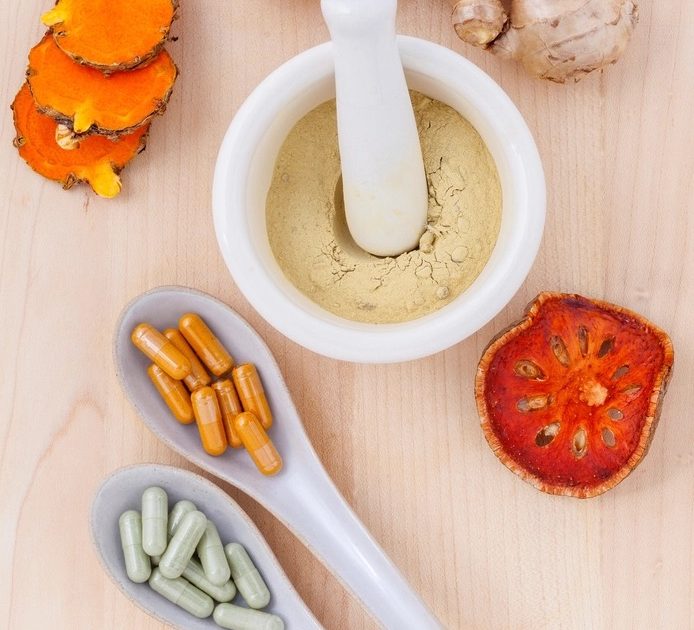
Walk into a smoke shop in most American cities and you’ll see it behind the counter: rows of pouches with names like Green Maeng Da and Red Bali, somewhere between the vapes and the energy shots. That’s kratom, and if you’re reading this, you’re probably trying to figure out what it actually is before you spend money on it. Fair. This kratom for beginners guide covers the plant, the legal mess, the real safety picture, and — if you decide to try it — how to avoid the sketchy end of the market.
What kratom actually is
Kratom is the leaf of Mitragyna speciosa, a tropical tree in the coffee family native to Southeast Asia, where workers have chewed the leaves for centuries. The leaf contains dozens of alkaloids, but two do most of the work: mitragynine and 7-hydroxymitragynine. Here’s the part that surprises people — those alkaloids act on opioid receptors in the brain. Kratom isn’t an opioid in the botanical sense, but pharmacologically it’s playing on the same field, which explains both why people use it and why regulators worry about it.
In the US it’s sold as powder (mixed into drinks, or the infamous “toss and wash”), capsules, and increasingly extracts and shots. The powder tastes like bitter lawn clippings. Nobody pretends otherwise.
Effects depend heavily on amount. At lower amounts, users generally describe it as stimulating — coffee-adjacent alertness and mood lift, which tracks with its traditional use by field workers. At higher amounts, the character flips toward sedation and a heavier, opioid-like relaxation. Same leaf, opposite directions. “Strains” (green, red, white) are marketing shorthand for drying methods and alkaloid profiles, and the differences are real but much fuzzier than vendor descriptions suggest.
The safety section you shouldn’t skip
We review kratom vendors on this site, so it would be easy to soft-pedal this. We’re not going to.
- Kratom is not FDA-approved for any use. The FDA has warned consumers not to use kratom, citing risks including liver toxicity, seizures, and substance use disorder. There are no FDA-approved kratom products, no established safe dose, and no drug-style clinical trial program behind it.
- Dependence is real. Because the active alkaloids work on opioid receptors, heavy daily use can lead to tolerance, dependence, and a genuinely unpleasant withdrawal — irritability, muscle aches, insomnia. The people who get into trouble are rarely the twice-a-week users; it’s the multiple-times-daily, months-on-end pattern.
- Never mix it with depressants. Alcohol, benzodiazepines, opioids, sleep meds — combining kratom with other sedating substances is where a large share of the serious harm shows up. Most kratom-associated deaths reported by the CDC involved other substances, fentanyl most of all. That’s not reassurance; it’s a warning about mixing.
- Off-limits groups: anyone pregnant or nursing, anyone under 21, anyone with liver problems, and anyone on medications that affect the liver or the CNS without talking to a doctor first.
- Unregulated supply chain. Kratom is imported plant material. Without testing, salmonella contamination and heavy metals aren’t hypothetical — a 2018 multistate salmonella outbreak tied to kratom sickened 199 people across 41 states. This is exactly why vendor choice matters more in kratom than in almost any other supplement category.
If you’re using kratom to self-treat opioid withdrawal or chronic pain, please talk to a doctor instead — there are actual FDA-approved treatments with actual support behind them.
Is kratom legal where you live?
There’s no federal ban, but the map is a patchwork and it keeps moving:
- Banned outright in a handful of states — Alabama, Arkansas, Indiana, Louisiana, Vermont, and Wisconsin have bans on the books as of early 2026.
- Regulated in a growing list of states that have passed a version of the Kratom Consumer Protection Act (Utah, Georgia, Arizona, and others), which requires labeling and limits adulterated products.
- Local bans exist inside otherwise-legal states — San Diego and Sarasota County are the classic examples.
- Age limits of 18 or 21 apply in many regulated states.
Check your own state and city before ordering, because this list ages fast. Rhode Island, for instance, reversed its ban recently — laws move in both directions.
How to pick a kratom vendor that takes this seriously
Since no federal agency is checking this stuff before it reaches you, the entire quality burden lands on the vendor — and on you for picking a good one. Our filter, in order:
1. Third-party lab testing, batch by batch. Not a badge that says “lab tested.” Actual certificates showing alkaloid content plus screens for heavy metals, salmonella, and adulterants. If you can’t find the COAs, assume they don’t exist.
2. GMP participation. The American Kratom Association runs a Good Manufacturing Practice qualification program with third-party audits. It’s voluntary and imperfect, but it separates companies making an effort from companies bagging leaf in a warehouse.
3. Transparency and restraint. Honest vendors don’t promise pain cures or “legal high” euphoria. Wild medical claims are both an FDA violation and a tell.
4. Fair pricing per gram. Wildly cheap kratom usually means old, weak, or untested leaf. Wildly expensive extract shots are their own trap for beginners — concentrated products make it much easier to build tolerance fast.
| Vendor | Lab testing | Known for | Our take |
|---|---|---|---|
| Super Speciosa | Batch COAs, AKA GMP qualified | Testing rigor, simple product line | The compliance-first pick; see our Super Speciosa comparison |
| Just Kratom | Third-party tested | Straightforward powders and value pricing | Budget-friendly basics; full breakdown in our Just Kratom strains and value guide |
| Kratom Country | Third-party tested | Longevity — selling since 2010 | Old-guard vendor; our honest Kratom Country review covers where it wins and where it lags |
| K-Tropix | Third-party tested | Modern extract and shot lineup | Extract-heavy, so not our first pick for beginners — details in the K-Tropix lineup review |
If you’re brand new, plain powder or capsules from a tested vendor is the sane starting point. Skip extracts entirely for now.
Starting sensibly, if you start
We’re not going to hand out a dosing chart — there’s no established safe dose, and pretending otherwise would be dishonest. The general principles that responsible users follow: start with the smallest amount that’s practical, on a day with no obligations, with no other substances involved. Wait a full hour before judging anything. Keep it occasional rather than daily — daily use is the road to tolerance and dependence. And weigh doses with a $15 gram scale instead of eyeballing spoons, because powder density varies and “one teaspoon” is not a measurement.
One genuine annoyance worth flagging: vendor sites are legally barred from telling you what effects to expect (rightly, since those would be drug claims), so beginners end up piecing together information from forums of wildly varying quality. It’s a strange market where the sellers can say the least. That’s part of why guides like this one exist.
Is kratom an opioid?
Botanically no — it’s in the coffee family. Pharmacologically, its main alkaloids do act on opioid receptors, which is why the FDA describes it in those terms and why dependence with heavy use is a documented risk. Both things are true at once.
Will kratom show up on a drug test?
Standard 5-panel employment tests don’t screen for mitragynine. Specialized tests can detect it, and some professions (military, safety-sensitive roles) do test for it. If your livelihood depends on testing, find out what your employer screens for before assuming you’re fine.
How long does kratom stay in your system?
Mitragynine’s half-life is roughly 24 hours, with meaningful individual variation, so it can be detectable in urine for around a week after use — longer with heavy, frequent use.
What’s the difference between red, green, and white strains?
Mostly drying and processing, which shifts the alkaloid profile. Convention says white leans stimulating, red leans sedating, green sits in the middle — but batch-to-batch variation within a strain is often bigger than the difference between strains. Treat strain descriptions as loose guidance, not chemistry.
This article is educational, not medical advice, and nothing here is an endorsement of kratom use. Kratom is not approved by the FDA for any use, and the FDA has warned consumers about serious risks including liver toxicity, seizures, and dependence. Do not use kratom if you are pregnant or nursing, under 21, or taking sedating medications. Check your state and local laws. If you’re struggling with opioid dependence, call SAMHSA’s helpline at 1-800-662-4357.
Related reading
Affiliate & medical disclosure: This review is independent and for information only, not medical advice. Some links may be affiliate links; we may earn a commission at no cost to you, which never affects our score. Consult a licensed provider before starting any product.