Leg Press Machine: Building Leg Strength Without Spinal Loading
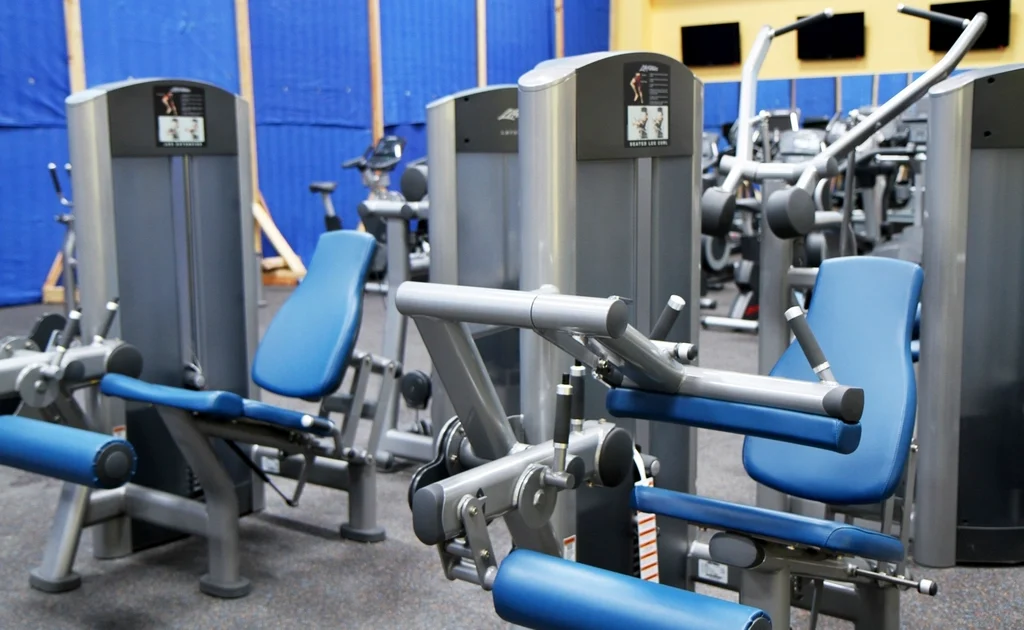
Walk into almost any gym and you’ll find a line for the squat rack but an empty leg press machine sitting quietly in the corner. That’s a shame, because the leg press is one of the most useful tools for building serious leg strength — especially for people who find barbell squats intimidating, uncomfortable, or simply inaccessible due to mobility or back issues.
The leg press lets you load your quads, glutes, and hamstrings heavily while a fixed track handles balance and spinal stabilization for you. That’s not “cheating” — it’s a legitimate way to train the same muscles that squats target, with a different risk-and-reward profile. Here’s how it actually works, when to use it, and how to do it safely.
What the Leg Press Actually Trains
The leg press is a compound, closed-chain exercise, meaning your feet stay in fixed contact with a platform while you push weight away from your body along a guided track. This activates the quadriceps, glutes, and hamstrings in a pattern similar to a squat, but without requiring your torso to stabilize a bar on your back.
Because the machine controls the bar path, you can often push closer to muscular failure with less coordination demand than a free-weight squat requires. This makes it a strong tool for hypertrophy (muscle growth) training, where research consistently shows that total training volume — sets multiplied by reps multiplied by load — is one of the biggest drivers of muscle growth, arguably more important than the specific exercise chosen.
Leg Press vs Barbell Squat: What’s the Real Difference?
The squat is often called the “king” of leg exercises because it’s a full-body movement requiring core bracing, balance, and coordination across multiple joints. The leg press removes most of that stabilization demand, isolating the lower body more directly.
- Spinal loading: Squats place a compressive load through the spine; the leg press does not, which is why it’s often recommended for people managing lower-back issues.
- Balance demand: Squats require full-body coordination; the leg press is guided, reducing injury risk from losing balance under load.
- Load potential: Because stabilization isn’t a limiting factor, many people can safely handle significantly heavier loads on a leg press than they could squat.
- Carryover: Squats have broader functional carryover to real-world movement and athletic performance; the leg press is more targeted toward muscle-building in a controlled setting.
Neither is strictly “better” — they train overlapping but distinct qualities, and many well-rounded programs include both.
Why the Leg Press Is a Good Fit for Certain People
For beginners still building coordination, older adults concerned about balance, or anyone recovering from a back injury, the leg press offers a lower-risk way to build meaningful leg strength. The National Institute on Aging and general geriatric fitness guidance emphasize that maintaining lower-body strength is one of the most protective factors against falls and loss of independence with age, and machine-based exercises like the leg press are frequently used in these programs because they reduce injury risk while still delivering strength stimulus.
It’s also useful for lifters who want to add extra leg volume without adding more spinal fatigue on top of squats and deadlifts already in their program — a common strategy in bodybuilding and general strength training.
Common Leg Press Mistakes That Increase Injury Risk
The leg press has a reputation for being “easy,” which paradoxically makes it easy to use poorly. The most common mistakes include:
- Excessive range of motion. Letting your knees collapse too close to your chest rounds the lower back against the pad, which can strain the spine even though it’s supported.
- Locking the knees out hard at the top. This shifts load onto the joint rather than the muscle and increases risk of hyperextension injury.
- Foot placement too low on the platform. This increases stress on the knees; placing feet slightly higher and shoulder-width apart generally favors the hips and hamstrings more evenly.
- Loading too much weight, too soon. Because the machine feels stable, it’s tempting to stack plates before technique is solid — building range of motion and control first pays off later.
How to Apply This: A Sample Leg Press Routine
If you’re adding the leg press to your routine, here’s a simple, safe way to start:
- Warm up with 5-10 minutes of light cardio and two light sets of leg press to prime the joints.
- Set foot placement shoulder-width apart, mid-to-high on the platform.
- Perform 3-4 working sets of 8-12 reps, lowering until your knees reach roughly a 90-degree angle without your lower back lifting off the pad.
- Avoid locking your knees at the top of each rep — stop just short of full extension.
- Increase load gradually, roughly 5-10% every one to two weeks as reps feel manageable, consistent with the progressive overload principle that underlies most strength gains.
- Pair with a hip-hinge movement like Romanian deadlifts or hip thrusts for balanced hamstring and glute development, since the leg press alone emphasizes the quads more than the posterior chain.
Who Should Be Cautious With the Leg Press
Despite being lower-risk than free-weight squats in some respects, the leg press isn’t risk-free. People with knee conditions such as patellar tendinopathy or a history of ACL injury should approach the exercise carefully, as deep ranges of motion under load can aggravate certain knee issues. Anyone with acute back pain should also check with a physical therapist or physician before loading the movement, since even supported spinal positions can be uncomfortable during flare-ups. As with any new strength exercise, individual variation is significant, and what feels comfortable for one person may not for another.
Is the leg press as effective as squats for building muscle?
For pure muscle growth in the quads and glutes, research consistently shows the leg press can be comparably effective to squats when training volume and effort are similar. Squats offer more functional, full-body carryover, but the leg press is a legitimate muscle-building tool on its own.
How much weight should I use on the leg press?
There’s no universal number — start with a weight that allows full control through a comfortable range of motion for 10-12 reps, and progress gradually. Many people can safely handle more total weight on a leg press than they could squat, because the machine removes the balance and core-stabilization demand.
Can the leg press replace squats entirely?
It can be a substitute for people who can’t perform squats due to injury, mobility limitations, or lack of confidence with a barbell, but it doesn’t fully replicate the coordination, core engagement, and functional carryover of a free-weight squat. Many programs use both.
Is the leg press safe for bad knees?
It depends on the specific condition. Shallow range-of-motion leg presses are often used in rehabilitation settings, but deep presses can aggravate some knee issues. Anyone with existing knee pain should consult a physical therapist to determine safe range of motion and loading.
Related reading
Affiliate & medical disclosure: This review is independent and for information only, not medical advice. Some links may be affiliate links; we may earn a commission at no cost to you, which never affects our score. Consult a licensed provider before starting any product.