Nutrient Timing Around Workouts: Pre- and Post-Exercise Eating Explained
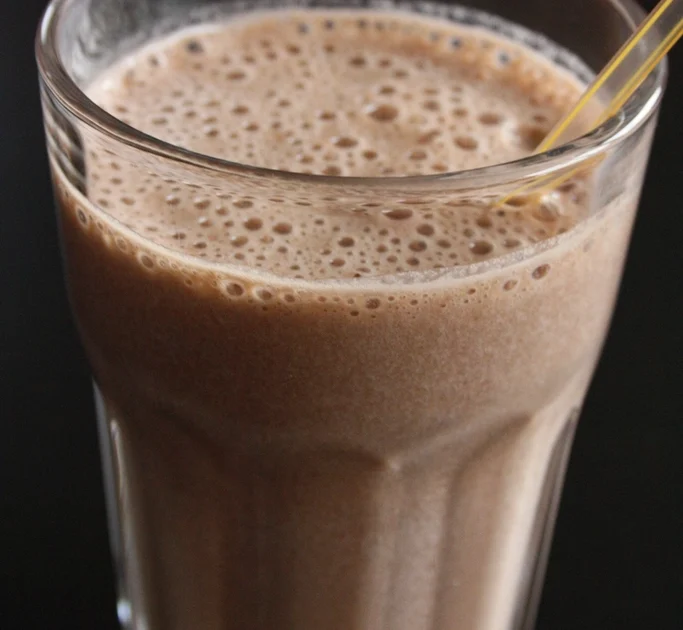
Walk into any gym locker room and you’ll hear the same anxious question: “Did I miss my anabolic window?” Many people believe that if a protein shake doesn’t hit their lips within 30 minutes of the last rep, the entire workout was wasted. It’s one of the most persistent myths in fitness nutrition, and it causes real stress for people who are otherwise doing everything right.
The truth is more forgiving. Nutrient timing is a real, useful tool for fine-tuning performance and recovery, but research consistently shows it plays a much smaller role than total daily intake, training consistency, and sleep. Understanding what timing actually does — and what it doesn’t — can save you unnecessary stress and help you focus on habits that move the needle.
What “Nutrient Timing” Actually Means
Nutrient timing refers to strategically eating carbohydrates, protein, and fluids before, during, and after exercise to support performance and recovery. The concept became popular in the 1990s and 2000s around the idea of a narrow “anabolic window” immediately post-exercise where muscle protein synthesis was thought to spike dramatically and then close.
Modern research paints a more nuanced picture. Muscle sensitivity to protein does increase after resistance training, but that elevated window lasts many hours, not minutes. The practical takeaway is that timing decisions should be about optimizing energy and comfort during training and supporting recovery afterward — not panicking over a stopwatch.
- Pre-workout: fueling for energy and focus
- Intra-workout: mostly relevant for longer endurance sessions
- Post-workout: replenishing glycogen and supplying protein for repair
The Post-Workout Window: How Urgent Is It Really?
The idea of a strict 30-to-45-minute post-workout window has been walked back considerably. Meta-analyses suggest that as long as total daily protein intake is adequate, the precise timing of a single post-workout meal has only a small effect on muscle growth outcomes over weeks and months. The Academy of Nutrition and Dietetics recommends active adults aim for roughly 1.2 to 2.0 grams of protein per kilogram of body weight per day, spread across meals — a target far more predictive of results than a specific post-workout minute count.
That said, if you train fasted or several hours have passed since your last meal, eating protein and carbohydrates within a couple of hours of finishing is still a sensible, low-effort habit that supports recovery and helps you hit your daily protein target without extra planning later.
Pre-Workout Fueling: What to Eat Before You Train
What you eat beforehand matters more for how a workout feels than for long-term results. A meal containing roughly 1 to 4 grams of carbohydrate per kilogram of body weight, eaten one to four hours before training, tends to support better energy and output, particularly for longer or higher-intensity sessions. The USDA’s general dietary guidance frames carbohydrates as the body’s primary and most efficient fuel source for physical activity, which is why low-energy, sluggish workouts often trace back to under-fueling beforehand.
Good pre-workout choices are easy to digest and balanced toward carbohydrate, with a modest amount of protein:
- Oatmeal with banana, eaten 60–90 minutes before training
- Greek yogurt with berries and a little honey
- Toast with nut butter, a couple of hours out
- A small piece of fruit and a handful of pretzels if training within 30 minutes
During Exercise: When Intra-Workout Nutrition Actually Matters
For the average hour-long strength or cardio session, plain water is usually all you need during the workout itself. Intra-workout carbohydrate or electrolyte drinks become genuinely useful mainly for continuous exercise lasting longer than 60 to 90 minutes, such as long runs, cycling events, or extended team-sport play, where glycogen stores can run low and sweat losses climb.
General hydration guidance suggests drinking to thirst and replacing fluids lost through sweat, with electrolytes becoming more important in hot environments or sessions exceeding an hour. Outside of those scenarios, sports drinks and gels mostly add sugar and calories without a meaningful performance benefit for shorter workouts.
Post-Workout Recovery: Protein, Carbs, and Rehydration
After training, three things matter most: replacing fluids, restocking glycogen, and supplying protein for muscle repair. A practical post-workout meal or shake providing roughly 20 to 40 grams of protein, ideally with a leucine-rich source like whey, eggs, or a soy-based alternative, supports muscle protein synthesis effectively for most adults. Pairing that protein with carbohydrates helps replenish glycogen more quickly, which matters most if you’re training again within 24 hours.
For rehydration, a commonly cited practical target is drinking around 1.5 times the volume of fluid lost through sweat over the following hours, since some fluid is lost through urine before the body fully rebalances. Weighing yourself before and after a hard, sweaty session can give you a rough sense of how much you actually lose.
How to Apply This: A Simple Sample Day
Here’s a practical framework for a typical training day that removes the guesswork:
- Breakfast (3–4 hours before training): balanced meal with protein, carbs, and some fat — eggs, toast, and fruit.
- Pre-workout snack (60–90 minutes before): banana with a small amount of nut butter or a slice of toast.
- During training: water, sipped regularly; add an electrolyte drink only if the session runs past 60–90 minutes or it’s very hot.
- Post-workout (within 1–2 hours): protein shake or a meal with 20–40g protein plus carbohydrates, such as chicken and rice or a protein smoothie with oats.
- Rest of the day: spread remaining protein across 2–3 more meals to hit your daily target.
Individual needs vary with training volume, body size, and goals, so treat these as starting points rather than rules, and check with a registered dietitian or healthcare provider if you have specific medical or performance considerations.
Do I need a protein shake right after my workout?
Not strictly. A shake is convenient, but a whole-food meal with similar protein and carbohydrate content works just as well, as long as you eat within a few hours of training.
Is fasted cardio bad for muscle?
For most people doing moderate cardio, training fasted occasionally is not harmful. The bigger factor for muscle retention is total daily protein and resistance training, not whether cardio was done fed or fasted.
Do I really need carbs before every workout?
For short or low-intensity sessions, not necessarily. Carbohydrate fueling becomes more important as intensity and duration increase, particularly beyond 45–60 minutes.
How much water should I drink on a training day?
General guidance is to drink to thirst throughout the day and add extra fluids around exercise, especially in hot conditions, since individual sweat rates vary considerably.
Related reading
Affiliate & medical disclosure: This review is independent and for information only, not medical advice. Some links may be affiliate links; we may earn a commission at no cost to you, which never affects our score. Consult a licensed provider before starting any product.