Olympic Weightlifting Basics: An Introduction to the Snatch and Clean & Jerk
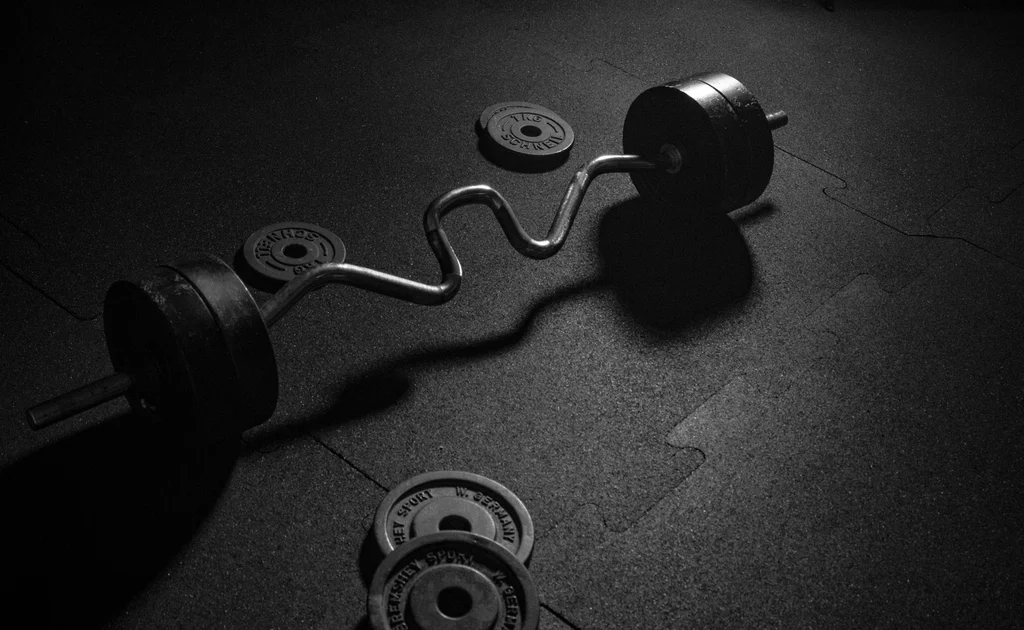
Scroll past a CrossFit class or watch five minutes of an Olympics broadcast and you’ll see athletes hoisting a loaded barbell overhead in one explosive motion. That’s the snatch, one of the two competition lifts in Olympic weightlifting, and it looks far more intimidating than it needs to be for someone simply looking to add power and coordination to their training.
A common mistake beginners make is assuming these lifts are only for competitive athletes chasing a barbell sport. In reality, the underlying skills, hip drive, full-body coordination, and rapid force production, translate directly into everyday athleticism, and research consistently shows that explosive, multi-joint training like this can improve power output more effectively than slow, isolated lifting alone.
What Are the Snatch and Clean & Jerk?
Olympic weightlifting consists of exactly two competition lifts. The snatch takes the bar from the floor to overhead in a single continuous motion. The clean and jerk is a two-part lift: the clean brings the bar from the floor to the shoulders, and the jerk then drives it overhead with a short dip-and-drive of the legs.
Both lifts rely on what coaches call “triple extension,” the simultaneous straightening of the ankles, knees, and hips that generates the explosive upward force needed to move the bar quickly enough to get underneath it. This is the same basic movement pattern used in jumping, sprinting starts, and many field-sport actions, which is part of why these lifts are popular with athletes outside of weightlifting itself.
Why Consider Learning Them
Beyond looking impressive, these lifts offer specific training benefits that more common gym exercises don’t fully replicate.
- Power development: the lifts train the body to produce force quickly, not just produce large amounts of force slowly, which is a distinct quality from raw strength.
- Full-body coordination: successful reps require the ankles, hips, back, shoulders, and wrists to work in a precise sequence, improving overall movement quality.
- Bone density stimulus: like other forms of resistance training, loaded impact-adjacent lifting is associated with the kind of mechanical stress that supports skeletal health, particularly relevant given how many adults spend most of the day sitting.
- Mobility carryover: the deep front-rack and overhead positions demand ankle, hip, thoracic spine, and shoulder mobility that most gym-goers otherwise never train.
The Learning Curve Is Real
Unlike a squat or deadlift, which most beginners can perform reasonably safely with a few cues, the snatch and clean and jerk are technically demanding. Coaches typically break them into component drills, hang positions, pulls, and overhead squats, before combining them into the full lift. This is not a lift to learn from a video alone if you’re new to barbell training.
Because the bar moves quickly and the lifter must get underneath it, poor technique carries a higher injury risk than most strength exercises, particularly for the wrists, shoulders, and lower back. This doesn’t mean the lifts are inherently dangerous; weightlifting has injury rates comparable to or lower than many recreational sports, but it does mean technique should come before load, every time.
How to Get Started Safely
The single best step for a true beginner is working with a qualified weightlifting coach, even for just a handful of sessions, to build the positions correctly before adding meaningful weight. Many CrossFit-affiliated gyms and dedicated weightlifting clubs offer introductory technique classes for exactly this reason.
- Weeks 1-2: Learn the positions with an empty barbell or a PVC pipe: the front rack, the overhead squat position, and the hang position at the hips.
- Weeks 3-4: Practice the hang power clean and hang power snatch, easier variations that start from above the knee and skip catching in a full squat.
- Weeks 5-8: Introduce lifts from the floor once the hang variations feel controlled, still with light, technique-focused loads.
- Ongoing: Add weight gradually only when form stays consistent across every rep, not just the easy ones.
If a coach or class isn’t accessible, simplified variations like the dumbbell snatch or kettlebell swing can offer some of the same explosive, hip-driven benefits with a much gentler learning curve and lower technical risk.
Who Should Approach With Extra Caution
Anyone with a pre-existing shoulder, wrist, or lower back injury should get clearance from a physical therapist or physician before attempting overhead barbell work. Older adults or those returning to exercise after a long break can still benefit from the underlying power-training concept, but usually see better results starting with lower-skill explosive exercises like box jumps or medicine ball throws before progressing toward a barbell.
As with any new training stimulus, individual response varies. Some people pick up the positions within a few sessions; others need months of patient drilling. That variability is normal and not a sign you’re doing something wrong.
Do I need to be flexible to learn Olympic lifts?
Some mobility helps, but most beginners build the necessary hip, ankle, and shoulder range of motion through the drilling process itself rather than needing it beforehand. A coach can suggest targeted mobility work if a specific position is limiting you.
Are Olympic lifts safe for beginners?
Yes, when taught progressively with light loads and proper coaching. The injury risk comes primarily from rushing to add weight before technique is consistent, not from the lifts themselves.
Can I learn these lifts without a coach?
It’s possible but considerably harder and riskier, since these are visually complex movements that are difficult to self-correct. Even one or two paid sessions with a weightlifting coach can dramatically shorten the learning curve.
How often should beginners practice the snatch and clean and jerk?
Two to three sessions a week focused on technique, rather than heavy loading, is a common and sustainable starting point that allows enough repetition to build motor patterns without overtraining the nervous system.
Equipment That Actually Helps
You don’t need much to start, but a few pieces of equipment make the learning process noticeably safer and more comfortable. Weightlifting shoes, with their raised, firm heel, make it easier to sit into a deep front-rack or overhead squat position without your heels lifting off the floor, which is a common technical fault for beginners in flat training shoes or running shoes.
- A proper weightlifting bar: with good spin in the sleeves so the plates rotate rather than twisting your wrists as you catch the bar.
- Bumper plates: rubber-coated plates designed to be dropped safely, since missed or completed lifts are often lowered to the floor rather than placed down slowly.
- Wrist wraps and knee sleeves: optional support that some lifters find helpful once loads increase, though they’re not necessary for beginners learning technique.
- A chalk block: improves grip security during pulls, which matters more as the bar gets heavier and grip fatigue sets in.
None of this is mandatory to begin; plenty of beginners start in flat-soled shoes with a standard barbell and light plates. But if you find yourself sticking with the sport past the first few months, weightlifting shoes in particular tend to be the highest-value upgrade for technique.
Related reading
Affiliate & medical disclosure: This review is independent and for information only, not medical advice. Some links may be affiliate links; we may earn a commission at no cost to you, which never affects our score. Consult a licensed provider before starting any product.