Protein Bars and Snack Bars: How to Spot the Ones Worth Buying
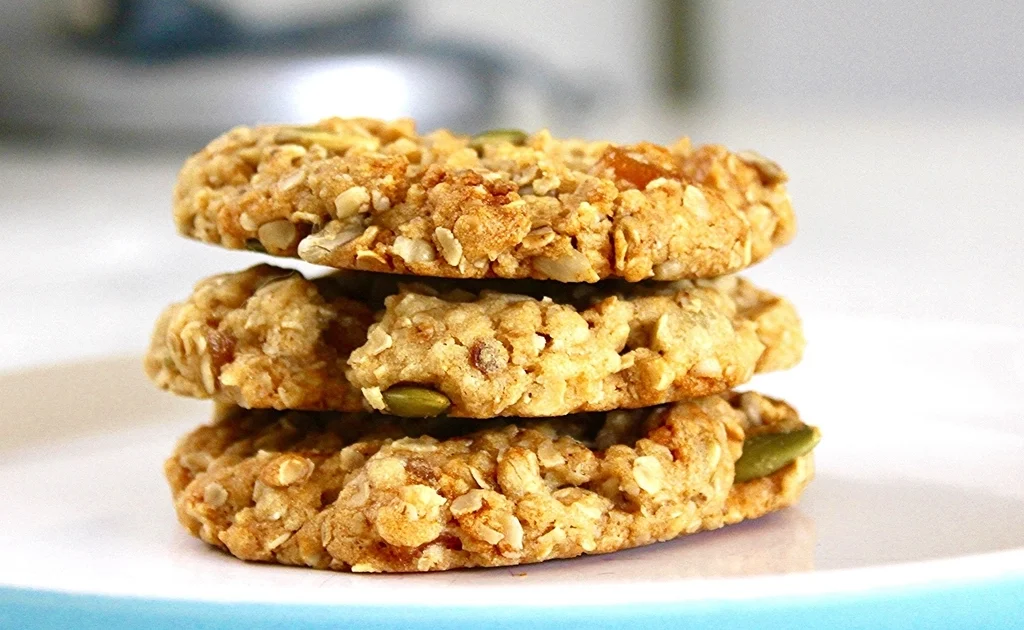
Walk down the snack bar aisle and you’ll find dozens of products marketed as healthy, high-protein, or clean — and a label that’s often more marketing than substance. Some bars are genuinely useful tools for hitting protein goals on a busy day; others are candy bars with a health halo, containing as much added sugar as a dessert.
A common mistake is assuming any bar labeled ‘protein’ or ‘natural’ is automatically a good choice. The only reliable way to tell the difference is to actually read the nutrition label and ingredient list, since front-of-package marketing claims aren’t regulated as strictly as many shoppers assume.
What Makes a Protein Bar Actually Worth Eating
A genuinely useful protein bar generally delivers a meaningful amount of protein relative to its calories, without excessive added sugar or a long list of unrecognizable additives. As a rough guideline, look for bars providing at least 10-15 grams of protein, with added sugar kept low relative to the AHA’s daily limit of about 25 grams for women and 36 grams for men.
- Protein: at least 10-15 grams per bar for a meaningful contribution
- Added sugar: ideally under 10 grams per bar, well below daily limits
- Fiber: 3+ grams adds satiety and supports the Academy of Nutrition and Dietetics’ fiber recommendations
- Ingredient list: shorter, more recognizable ingredients generally indicate less processing
How to Read the Label Like a Skeptic
Total sugar isn’t the same as added sugar, and US nutrition labels now break out ‘added sugars’ as a separate line, which is the number worth focusing on since naturally occurring sugars in dates or dried fruit behave differently than added syrups and isolates in terms of overall dietary pattern. Also check serving size carefully; some bars list nutrition for half a bar, effectively doubling the sugar and calories if you eat the whole thing.
Ingredient lists are ordered by weight, so if sugar, corn syrup, or chocolate coating appear in the first few ingredients, the bar is closer to a candy bar than a balanced snack, regardless of how much protein is also listed on the label.
Common Bar Categories and What to Expect
Not all bars serve the same purpose, and it helps to know what category you’re actually buying.
- Whey or plant-protein bars: typically highest in protein (15-20g), often lower in fiber, best for post-workout or meal-replacement use
- Fruit-and-nut bars: naturally sweetened, higher in fiber and healthy fats, but lower in protein (3-6g) and still calorie-dense
- Granola or oat bars: often marketed as healthy but can be closer to a cookie in sugar content, with modest protein (3-5g)
- Meal-replacement bars: balanced macros designed to replace a full meal, generally higher in calories (300-400) than a snack bar
When a Protein Bar Actually Makes Sense
Bars are most useful as a convenient bridge when a full meal isn’t practical — between meetings, after a workout, or during travel — not as a routine replacement for whole-food meals. Research consistently shows that whole foods tend to be more satiating per calorie than processed snack foods, even when protein content is matched, likely due to differences in volume, chewing time, and fiber structure.
That doesn’t mean bars are unhealthy by default; it means they’re a convenience tool best used situationally rather than as a dietary cornerstone. Someone who eats three bars a day instead of meals is likely missing out on the broader nutrient variety whole foods provide.
How to Choose the Right Bar for Your Goals
A Simple Decision Framework
- Check protein content first: aim for at least 10 grams if the bar is meant to be a meaningful protein source
- Check added sugar next: keep it in the single digits per bar when possible
- Scan the ingredient list for recognizable whole-food ingredients near the top
- Match the bar to its purpose: post-workout recovery favors higher protein; on-the-go snacking can prioritize fiber and healthy fats instead
- Watch portion size, since some “bars” are actually sold and labeled as two servings
If you have diabetes, are managing blood sugar closely, or have specific dietary restrictions, a registered dietitian can help you identify bars, or better whole-food alternatives, that fit your individual needs.
Whole-Food Alternatives Worth Considering
Simple combinations like an apple with a tablespoon of peanut butter, a handful of nuts with dried fruit, or Greek yogurt with berries often deliver comparable or better protein and fiber profiles than packaged bars, typically with less added sugar and fewer preservatives. These aren’t always as convenient to carry, but they’re worth keeping in mind as a baseline for comparison when you’re deciding whether a specific bar is actually a good nutritional choice or just a convenient one. A useful habit is to keep one or two whole-food options, like a small bag of nuts or a piece of fruit, alongside your bars so you have a lower-processed choice available when a full meal isn’t on the table but a packaged bar isn’t necessary either.
Batch-prepping simple snacks on a weekly basis, such as portioning nuts into small containers or hard-boiling a batch of eggs, can close much of the convenience gap that makes packaged bars appealing in the first place, while giving you more control over sugar and sodium content.
Are protein bars a good meal replacement?
Occasionally, yes, but they shouldn’t become a routine substitute for whole-food meals, which offer broader nutrient variety and tend to be more satiating per calorie.
How much added sugar is too much in a snack bar?
There’s no universal cutoff, but keeping added sugar to single digits per bar helps you stay well within the AHA’s daily limits of about 25g (women) and 36g (men) across your whole diet.
Are natural or organic bars automatically healthier?
Not necessarily. “Natural” and “organic” labels describe ingredient sourcing, not sugar or calorie content. Always check the actual nutrition label rather than relying on front-of-package claims.
Can protein bars help with weight loss?
They can help if they replace a higher-calorie snack and support satiety, but bars alone aren’t a weight-loss strategy. Overall dietary pattern and calorie balance matter far more than any single food.
Related reading
Affiliate & medical disclosure: This review is independent and for information only, not medical advice. Some links may be affiliate links; we may earn a commission at no cost to you, which never affects our score. Consult a licensed provider before starting any product.