Quercetin: The Plant Flavonoid Behind Allergy and Immune Health Claims
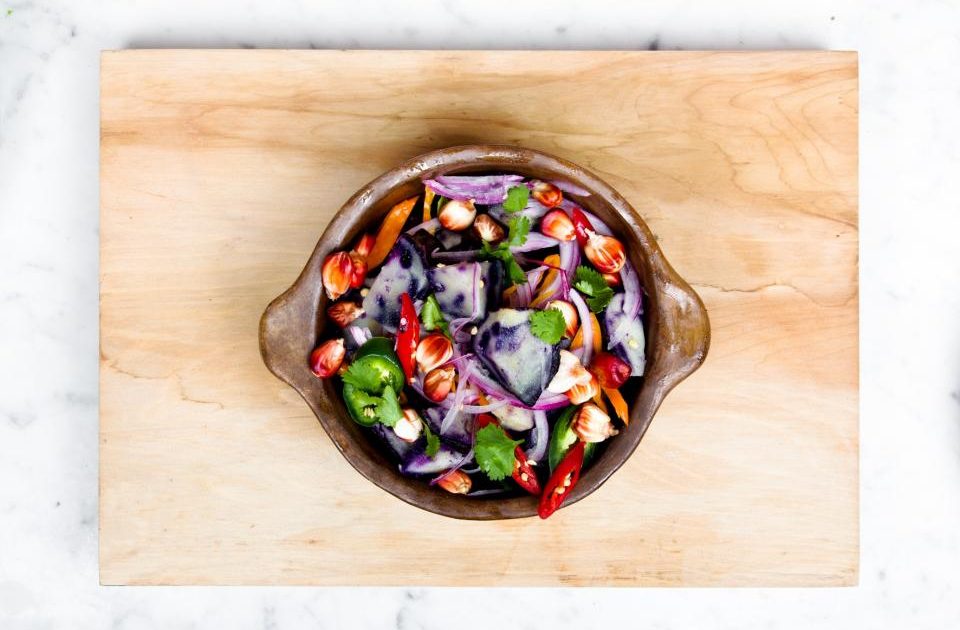
If you’ve noticed quercetin popping up in allergy-season supplement displays or immune-support blends, you’re not imagining a trend. This plant pigment, found naturally in onions, apples, and berries, has quietly become one of the most searched “natural antihistamine” ingredients online, often marketed with bold claims that outpace what the research actually supports.
A common mistake people make is treating quercetin supplements as a drug-like substitute for allergy medication or a guaranteed immune shield. In reality, quercetin is a flavonoid antioxidant with genuinely interesting laboratory and early clinical findings, but the evidence in real-world human use is still developing, and dosages in food are far lower than what most studies test.
What Quercetin Is and Where It Comes From
Quercetin belongs to a class of plant compounds called flavonoids, which give many fruits and vegetables their color and are part of the broader polyphenol family. It is naturally present in red onions, apples (especially the skin), capers, kale, berries, and tea. Because it is fat-soluble and not particularly well absorbed on its own, some supplement formulas pair it with substances like vitamin C or bromelain, which manufacturers claim improve absorption, though independent confirmation of these combinations is limited.
As an antioxidant, quercetin helps neutralize free radicals, unstable molecules that can damage cells over time. It also appears to have mild anti-inflammatory properties in laboratory studies, which is the basis for much of the interest in its potential health applications.
- Found in red onions, apples, berries, capers, and tea
- Classified as a flavonoid within the polyphenol family of plant compounds
- Functions primarily as an antioxidant and mild anti-inflammatory agent
- Poorly absorbed in its raw form compared to some processed supplement versions
The Allergy Connection: What’s Real and What’s Overstated
Quercetin’s reputation as a “natural antihistamine” comes from laboratory studies showing it can stabilize mast cells, the immune cells responsible for releasing histamine during an allergic reaction. In test-tube and animal research, this mast-cell-stabilizing effect looks promising. However, research consistently shows that these laboratory findings do not automatically translate into strong, reliable results in humans taking oral quercetin supplements, and well-controlled human trials remain limited in number and scale.
This doesn’t mean quercetin does nothing for allergy symptoms, but it does mean the current evidence is more preliminary than the marketing suggests. Anyone with diagnosed seasonal allergies should view quercetin as a possible complementary option to discuss with a healthcare provider, not a proven replacement for antihistamines or other prescribed allergy treatments.
Immune Health and Antioxidant Claims
Because quercetin is an antioxidant, it’s often lumped into general “immune support” marketing alongside vitamin C and zinc. The NIH’s dietary supplement resources note that while flavonoids like quercetin show antioxidant activity in laboratory settings, evidence that supplementation meaningfully changes immune function or infection risk in generally healthy, well-nourished people remains limited and inconsistent across studies.
Some small clinical trials have explored quercetin’s role in exercise recovery and upper respiratory symptoms in athletes, with mixed and modest results. Meta-analyses suggest that any measurable benefit is likely to be small and may depend heavily on the population studied, the dose used, and how long supplementation continues.
- Antioxidant activity is well established in laboratory research
- Human immune-function benefits remain modest and inconsistently demonstrated
- Athletic recovery research shows mixed, generally small effects
- Quality and dose of supplements vary considerably between brands
Getting Quercetin From Food vs. Supplements
Whole foods remain a reliable way to include quercetin in your diet alongside a broad spectrum of other beneficial plant compounds. Red and yellow onions are among the richest common sources, followed by apples with the skin left on, capers, kale, and berries such as blueberries and cranberries. Tea, particularly black and green tea, also contributes meaningful amounts for regular drinkers.
Dietary intake of quercetin from a varied diet is generally considered safe and is simply part of eating a produce-rich diet, which the Academy of Nutrition and Dietetics consistently recommends for its combined fiber, vitamin, and antioxidant benefits. Supplement doses, by contrast, can be many times higher than what’s realistically obtained from food, which is where questions about long-term safety and appropriate dosing become more relevant.
Safety, Dosing, and Who Should Be Cautious
Quercetin from food is considered safe for essentially everyone. Supplemental quercetin, commonly studied in doses ranging from about 500 to 1,000 mg per day, appears to be well tolerated in short-term use for most healthy adults, though data on long-term high-dose use is more limited. Reported side effects are generally mild, such as headache or stomach upset.
Quercetin may interact with certain medications, including some blood thinners, blood pressure medications, and drugs metabolized by specific liver enzymes. Pregnant or breastfeeding individuals and anyone on prescription medication should talk to a healthcare provider before starting a quercetin supplement, since interaction risks are not fully mapped out.
How to Approach Quercetin: A Practical Plan
If you’re curious about quercetin, here’s a sensible way to approach it without over-relying on supplement marketing:
- Start with food: Add more red onions, apples with skin, berries, and kale to your regular meals as a low-risk, evidence-supported first step.
- Set realistic expectations: View quercetin as a possible complementary antioxidant source, not a proven cure for allergies or infections.
- Talk to your provider before supplementing: Especially if you take blood thinners, blood pressure medication, or have a chronic condition.
- Choose reputable brands: If you do try a supplement, look for third-party testing to verify actual content matches the label.
- Don’t stop prescribed treatment: Never replace antihistamines or other prescribed allergy or immune medications with quercetin without medical guidance.
As with most single-nutrient trends, quercetin is best understood as one small piece of an overall diet pattern rich in fruits, vegetables, and plant compounds, rather than a stand-alone solution.
Can quercetin replace my allergy medication?
No. While early laboratory research is interesting, current human evidence is not strong enough to treat quercetin as a substitute for antihistamines or other prescribed allergy treatments. Discuss any changes to your allergy management with a healthcare provider.
What foods have the most quercetin?
Red and yellow onions, apples with the skin on, capers, kale, and berries like blueberries are among the richest common dietary sources, along with regularly brewed tea.
Is quercetin safe to take daily?
Food-based intake is considered safe for virtually everyone. Supplemental doses appear generally well tolerated in short-term studies, but long-term safety data is more limited, so ongoing daily use should be discussed with a healthcare provider, especially alongside other medications.
Does quercetin help with exercise performance?
Some small studies have explored quercetin for exercise recovery and endurance, but meta-analyses suggest any benefit tends to be modest and inconsistent, so it shouldn’t be relied upon as a primary performance strategy.
Related reading
Affiliate & medical disclosure: This review is independent and for information only, not medical advice. Some links may be affiliate links; we may earn a commission at no cost to you, which never affects our score. Consult a licensed provider before starting any product.