Sheet Masks: Do They Actually Work?
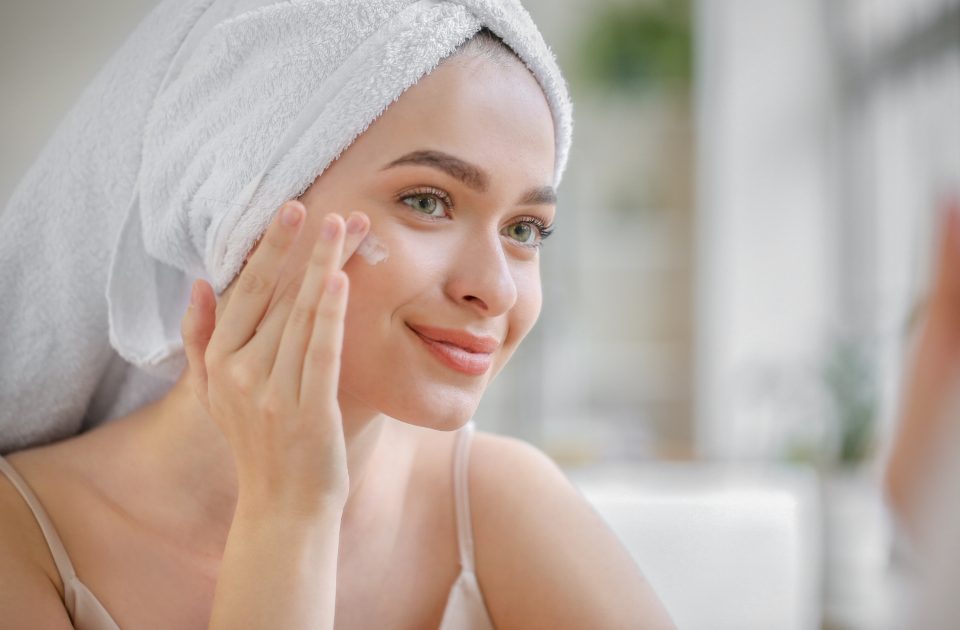
Sheet masks have become a fixture of modern skincare routines, all over social media feeds and drugstore shelves alike, promising an instant glow in just 15 to 20 minutes. But behind the satisfying unboxing videos is a fair question: are sheet masks actually doing anything for your skin, or are they mostly a relaxing ritual with a placebo-level payoff?
The honest answer sits somewhere in between. Sheet masks can deliver real, if temporary, benefits, but understanding what they can and can’t do will help you use them more effectively and avoid overpaying for hype.
What a Sheet Mask Actually Does
A sheet mask is a thin sheet, usually made of cotton, cellulose, or a biocellulose material, that’s saturated in a serum and applied to the face. The sheet’s job is to create an occlusive barrier that keeps the serum in prolonged contact with the skin, allowing better absorption than simply patting a serum on and letting it air-dry.
This occlusion effect is the real mechanism behind the “instant glow” people report. By trapping moisture and active ingredients against the skin for an extended period, sheet masks temporarily boost hydration levels in the outer skin layer, which can make skin look plumper and more radiant right after use.
What the Evidence Actually Supports
The National Institutes of Health and dermatology research on occlusive skincare consistently shows that keeping the skin barrier hydrated supports smoother texture and a healthier-looking complexion over time. Ingredients like hyaluronic acid, glycerin, and niacinamide — common in sheet mask formulas — have reasonably strong evidence behind their ability to draw and hold moisture or calm mild irritation.
However, the effect from a single sheet mask is largely temporary, often fading within a day as the skin returns to its baseline hydration level. Sheet masks are best understood as a hydration boost and short-term treat rather than a long-term solution for concerns like acne, deep wrinkles, or hyperpigmentation, which typically need consistent, active-ingredient routines over weeks or months.
Hyaluronic acid, one of the most common sheet mask ingredients, is a humectant commonly cited as capable of holding up to roughly 1,000 times its own weight in water, which is part of why masks built around it produce such a noticeably plumper look immediately after use. Meta-analyses suggest that humectant-based hydration strategies, including masking, are most effective when layered underneath an occlusive moisturizer that helps seal that moisture in, rather than used as a standalone step — without that seal, a meaningful share of the added surface moisture can evaporate again within just a few hours.
Who Benefits Most From Sheet Masks
Sheet masks tend to be most useful for:
- Dry or dehydrated skin needing a hydration boost before an event
- Dull-looking skin that benefits from a temporary plumping effect
- People who want a low-commitment way to try a new active ingredient
- Post-sun or travel skin that needs extra soothing and moisture
People with active acne or very oily skin may find heavy, occlusive sheet masks less helpful, and in some cases the trapped moisture and occlusion could contribute to breakouts if the formula isn’t well suited to their skin type.
How to Get the Most Out of a Sheet Mask
Using a sheet mask correctly makes a meaningful difference in results. A few practical tips:
- Cleanse your face first so the serum isn’t competing with dirt or oil on the surface.
- Apply the mask smoothly, pressing out air bubbles so it makes full contact with your skin.
- Leave it on for the time recommended on the packaging — typically 15 to 20 minutes. Leaving it on much longer can actually reverse the benefit, as the sheet begins to dry out and pull moisture back out of the skin.
- After removing, pat the excess serum into your skin rather than rinsing it off, then seal it in with a moisturizer.
Sheet Masks vs Other Types of Masks
Clay and mud masks work differently, typically absorbing excess oil and drawing out impurities, which makes them more suited to oily or congested skin. Overnight masks provide a longer, slower release of hydrating or barrier-repairing ingredients. Sheet masks sit in their own category: fast-acting, hydration-focused, and best used as a supplement to — not a replacement for — a consistent daily routine of cleanser, moisturizer, and sun protection.
The skin barrier itself is worth prioritizing, since a compromised barrier undermines the benefit of almost any product layered on top of it, including sheet masks. Research consistently shows that a healthy, intact skin barrier retains water more effectively and resists irritants better than a damaged one, which is why dermatologists generally recommend a consistent daily routine of cleansing, moisturizing, and sun protection maintained over at least several weeks before expecting much from occasional treatments like masking.
How to Apply This: A Simple Weekly Routine
For most skin types, using a sheet mask once or twice a week is a reasonable frequency that avoids overloading the skin while still providing a noticeable hydration boost. A simple approach:
- 1–2x per week: sheet mask after cleansing, especially the night before an event or after a particularly dry or sun-exposed day
- Daily: consistent cleanser, moisturizer, and broad-spectrum sunscreen — these matter far more for long-term skin health than masking frequency
- Patch test new sheet mask formulas on your inner arm first if you have sensitive skin or known allergies
If you notice redness, itching, or breakouts after using a sheet mask, discontinue use and consider consulting a dermatologist, particularly if the reaction persists.
Can I use a sheet mask every day?
It’s generally unnecessary and, for some skin types, could lead to over-hydration or irritation. A couple of times a week is a reasonable frequency for most people.
Are expensive sheet masks better than drugstore ones?
Not necessarily. What matters most is the ingredient list and whether it suits your skin type, not the price point.
Can sheet masks replace my regular moisturizer?
No. Sheet masks are a supplemental treatment, not a substitute for a consistent daily moisturizing and sun-protection routine.
Why does my skin look worse a day after using a sheet mask?
The plumping effect from a sheet mask is temporary hydration, not a permanent change, so skin naturally returns to its baseline appearance within a day as that extra surface moisture evaporates.
Related reading
Affiliate & medical disclosure: This review is independent and for information only, not medical advice. Some links may be affiliate links; we may earn a commission at no cost to you, which never affects our score. Consult a licensed provider before starting any product.