Social Jet Lag: How Weekend Sleep Schedules Throw Off Your Body Clock
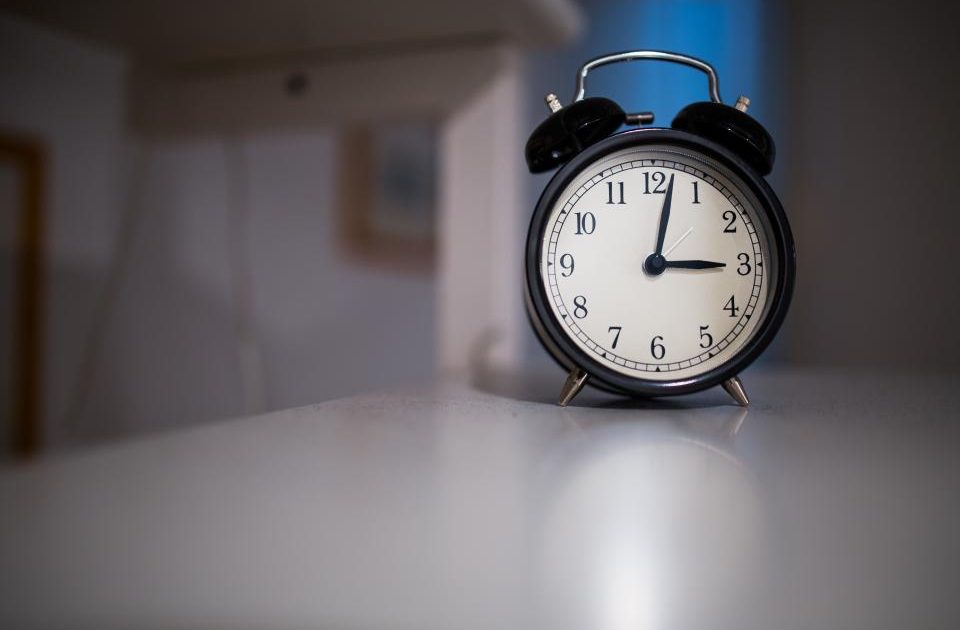
You don’t need to cross a time zone to feel jet-lagged. If you wake at 6:30am on weekdays and sleep in until 10am on weekends, you’re putting your body through a smaller version of the same disruption a transatlantic flight causes — a phenomenon researchers call “social jet lag.” It’s one of the most common sleep mistakes, and most people who do it have no idea it has a name, let alone measurable effects.
This article explains what social jet lag actually is, why it happens even when you’re getting “enough” sleep on weekends, and a practical plan to reduce it without sacrificing your weekend mornings entirely.
What Is Social Jet Lag?
Social jet lag refers to the mismatch between your body’s internal circadian clock and the sleep schedule imposed by work, school, or social obligations. It’s typically measured as the difference between your sleep midpoint (the halfway point between falling asleep and waking up) on work days versus free days.
A two-hour difference in sleep midpoint between weekdays and weekends is common, and some research estimates put average social jet lag in the general population at around one to two hours. That might sound trivial, but your circadian system doesn’t reset instantly — shifting your sleep window by even an hour or two repeatedly can create a chronic, low-grade version of jet lag that never fully resolves.
- The concept was developed to describe a pattern distinct from traditional jet lag or shift work, since it’s self-imposed by lifestyle and social schedules rather than travel.
- Circadian rhythm research consistently shows that consistency in sleep and wake timing matters as much as total sleep duration for feeling well-rested.
- The National Sleep Foundation recommends adults aim for 7-9 hours of sleep per night, but emphasizes that a consistent schedule supports better sleep quality on top of adequate duration.
Why “Catching Up” on Weekends Doesn’t Fully Fix It
It’s tempting to think of weekend sleep-ins as compensation for a sleep-deprived week, and there is some truth to that — extra sleep can partially offset accumulated sleep debt. But shifting your entire sleep window later, rather than simply sleeping a bit more within a similar window, creates its own problem.
Your circadian clock is influenced heavily by light exposure timing. When you sleep in significantly on Saturday and Sunday, you delay your exposure to morning light and shift your internal clock later, similar to a mini time-zone change. Then Monday morning, your alarm forces you back to an earlier schedule your body hasn’t adjusted to yet — this is often described as a “Monday morning jet lag” effect.
- Research consistently shows that greater social jet lag is associated with poorer mood, more fatigue, and reduced alertness, independent of total sleep duration.
- Some studies have linked chronic social jet lag with unfavorable metabolic and cardiovascular markers, similar to concerns raised about rotating shift work, though this remains an active area of research rather than settled science.
How to Tell If You Have Significant Social Jet Lag
You can get a rough estimate of your own social jet lag without any special tools.
- For one week, note your bedtime and wake time on workdays and calculate your sleep midpoint (for example, 11pm to 7am has a midpoint of 3am).
- Do the same for your free days.
- Calculate the difference between the two midpoints in hours.
- A difference of one hour or less is generally considered minor; two hours or more suggests meaningful social jet lag worth addressing.
Common signs also include needing an alarm to wake up on weekdays but waking naturally on weekends, feeling groggy or “off” on Mondays even after a full night’s sleep, and relying heavily on caffeine early in the work week.
How to Apply This: A Practical Plan
The goal isn’t to eliminate weekend sleep-ins entirely — it’s to narrow the gap enough that your circadian clock doesn’t have to keep re-adjusting.
- Cap the weekend shift: try to keep your wake time within about an hour of your weekday wake time, even if bedtime varies slightly.
- Get morning light early: exposure to natural light shortly after waking, even on weekends, helps anchor your circadian rhythm regardless of when you went to bed.
- Address the real problem — weekday sleep debt: if you’re consistently exhausted enough to need a two-to-three-hour weekend catch-up, the more sustainable fix is an earlier weekday bedtime, not a later weekend wake time.
- Keep bedtime more flexible than wake time: if you want extra sleep on weekends, it’s generally better to go to bed a bit earlier than to sleep drastically later, since this preserves your wake-time consistency.
- Avoid late, bright-light weekend nights where possible, since late-night screen and light exposure compounds the delay in your circadian clock.
A Sample Weekend Adjustment
If your weekday schedule is 11pm to 6:30am and your current weekend schedule is 1am to 10am (a roughly 2.5-hour midpoint shift), try narrowing it gradually:
- Week 1: weekend bedtime 12:30am, wake time 8:30am.
- Week 2: weekend bedtime 12am, wake time 7:30am.
- Ongoing: aim to keep the gap under about 1-1.5 hours, adjusting bedtime rather than wake time as your main lever.
If you experience persistent daytime sleepiness despite consistent scheduling, or suspect a sleep disorder rather than simple schedule mismatch, it’s worth discussing with a healthcare provider, since conditions like sleep apnea can produce similar symptoms.
Is social jet lag the same as being a “night owl”?
Not exactly. Chronotype (whether you naturally lean toward mornings or evenings) influences your ideal sleep timing, but social jet lag specifically refers to the mismatch between that natural timing and your imposed schedule — night owls forced into early schedules tend to experience more social jet lag than early risers with the same job.
Does an extra hour of weekend sleep really matter that much?
For most people, an hour or so of extra sleep isn’t harmful and can help address weekday sleep debt. The concern is specifically with larger, repeated shifts of two or more hours that keep resetting your circadian clock every week.
Can naps help instead of sleeping in on weekends?
Yes, for some people a short afternoon nap (20-30 minutes) can address weekday sleep debt without shifting the whole sleep window later, which may cause less disruption to Monday’s wake time than a long weekend sleep-in.
How long does it take to reduce social jet lag?
Because circadian adjustment happens gradually, most people notice improved Monday alertness within two to three weeks of narrowing their weekday-weekend sleep gap consistently.
Related reading
Affiliate & medical disclosure: This review is independent and for information only, not medical advice. Some links may be affiliate links; we may earn a commission at no cost to you, which never affects our score. Consult a licensed provider before starting any product.