Strength Standards: How Much Should You Realistically Be Able to Lift?
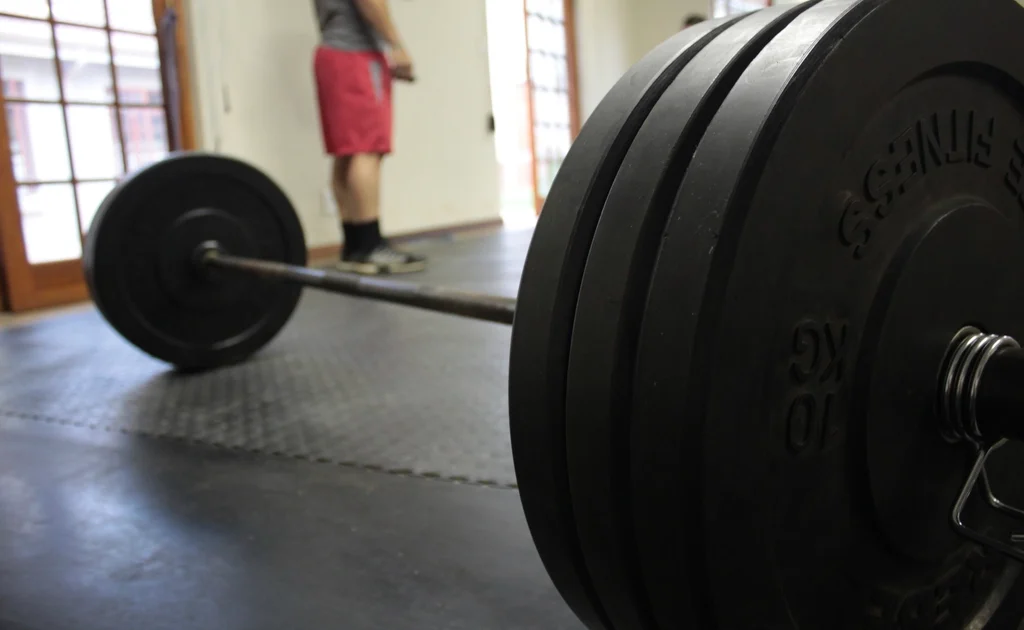
Search online for “how much should I be able to squat” and you’ll find charts claiming the average untrained person should be pulling twice their bodyweight off the floor within months. For most people, those numbers are discouraging, misleading, or both — often based on data from competitive lifters, not the general population that actually makes up most gyms.
Strength standards can be a useful motivational tool when used correctly, but they’re frequently misapplied. This guide walks through what realistic strength benchmarks actually look like, why so many popular charts overstate what’s typical, and how to use standards in a way that motivates rather than discourages.
Where Most Strength Standard Charts Go Wrong
Many widely shared strength charts are built from data collected at powerlifting gyms, online lifting forums, or self-reported numbers, all of which skew toward people who are already unusually strong or motivated enough to track and report their lifts. That’s a very different population from the average adult walking into a gym for the first time.
Body weight, limb length, training age, sex, and age all significantly affect what’s achievable, and few popular charts account for all of these factors properly. A 5’10” lifter with short arms and a long torso will have very different leverages for a deadlift than a 6’4″ lifter with long arms, even at the same bodyweight and training experience.
Realistic Benchmarks by Training Stage
Rather than a single “should be able to lift X” number, it’s more useful to think in terms of training stages. These ranges are commonly used as general guidance among strength coaches, expressed as a multiple of body weight for major compound lifts, and should be treated as a loose reference rather than a strict target:
- Untrained: Squat and deadlift roughly 0.5-0.75x bodyweight; bench press roughly 0.25-0.5x bodyweight.
- Novice (a few months of consistent training): Squat and deadlift around 1-1.25x bodyweight; bench press around 0.5-0.75x bodyweight.
- Intermediate (1-2+ years of consistent training): Squat around 1.25-1.5x bodyweight; deadlift around 1.5-1.75x bodyweight; bench press around 1-1.25x bodyweight.
- Advanced (multiple years of dedicated, structured training): Squat and deadlift around 2x bodyweight or more; bench press around 1.5x bodyweight.
These ranges are rough, and women, on average, tend to be relatively stronger in the lower body relative to the upper body compared with men, largely due to differences in typical muscle distribution. Age, injury history, and years of training consistency (not just years since you started) all shift these numbers considerably.
Why Comparing Yourself to Charts Can Backfire
Chasing a number pulled from an internet chart can encourage rushing progression, sacrificing form for load, or feeling discouraged by numbers that were never realistic for your body type or training history to begin with. Progressive overload — the gradual, consistent increase in training demands over time — is what drives strength gains, not comparison to a static benchmark.
Research on strength training consistently shows that the rate of strength gain is highly individual, influenced by genetics, training consistency, recovery, nutrition, and sleep. Two people following identical programs can see meaningfully different rates of progress, which is a normal and expected part of training rather than a sign that something is wrong.
What Actually Matters More Than Hitting a Number
For most people training for general health rather than competitive lifting, consistent progress relative to your own starting point is a far more meaningful marker of success than matching an internet chart. The World Health Organization recommends adults perform muscle-strengthening activities involving major muscle groups at least twice a week, a target that has nothing to do with hitting specific load benchmarks and everything to do with consistency.
- Whether your working weights have increased over the last 2-3 months
- Whether your technique has improved, allowing safer and more efficient movement
- Whether you can perform daily tasks (carrying groceries, climbing stairs, getting up from the floor) with less effort
- Whether you’re recovering well and staying injury-free, which matters more long-term than short-term load jumps
How to Apply This: Setting Realistic Strength Goals
Rather than fixating on an external chart, a more sustainable approach uses your own history as the primary benchmark and treats general standards as a loose orientation point.
- Establish your current baseline by testing comfortable working weights for major lifts (not necessarily a true one-rep max, especially if you’re newer to training).
- Set a 3-month progress goal based on realistic, gradual increases — a common approach is aiming for small, consistent weight or rep increases every 1-2 weeks rather than large jumps.
- Track your own trend line rather than comparing to any chart, since your personal trajectory over months matters more than a single snapshot number.
- Reassess every few months and adjust expectations based on your actual rate of progress, training consistency, and recovery.
- Prioritize technique and consistency over chasing numbers, since safe, sustainable progress compounds over years, while injuries from rushing set training back.
If you’re new to strength training or returning after a long break, working with a qualified coach or trainer, even briefly, can help you build a realistic baseline and avoid the common mistake of comparing early numbers to advanced lifters’ benchmarks.
Are strength standard charts useless?
Not entirely — they can offer a rough sense of orientation and can be motivating for some people. The key is treating them as loose reference points, not fixed targets you must hit on a specific timeline.
Why do my lifts seem to plateau even though I’m training consistently?
Plateaus are a normal part of long-term training. They often reflect diminishing returns as you approach your current adaptation limit, and usually respond to adjustments in volume, intensity, recovery, or nutrition rather than simply pushing harder.
Do strength standards apply the same way to older adults?
Not directly. Absolute strength benchmarks typically decline with age, but the health benefits of resistance training, including maintaining muscle mass and bone density, remain significant at any age, making consistent training more important than hitting a specific number.
Should beginners worry about strength standards at all?
Generally, no. Beginners benefit most from mastering technique and building a consistent habit. Strength standards become more relevant later, once a solid technical and training foundation is already in place.
Related reading
Affiliate & medical disclosure: This review is independent and for information only, not medical advice. Some links may be affiliate links; we may earn a commission at no cost to you, which never affects our score. Consult a licensed provider before starting any product.