System Labs Review 2026: Peptide Catalog, Pharmacy Sourcing and Red Flags
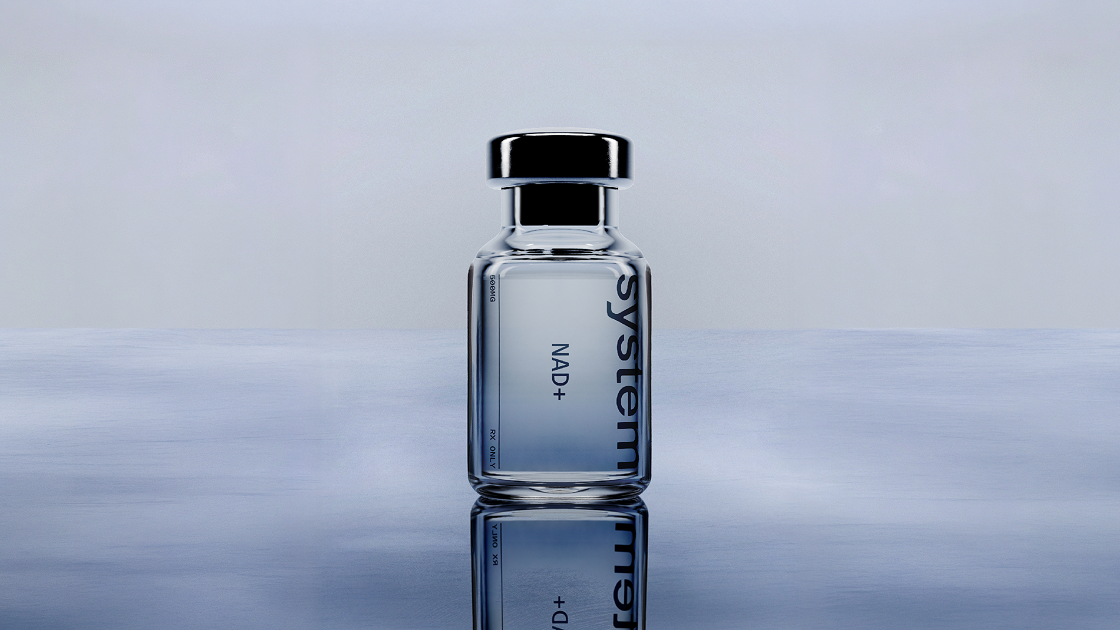
System Labs, the trading name of System Laboratories, Inc., is an online clinic that prescribes compounded peptides and longevity injections after a short intake. It started with NAD+, glutathione, sermorelin and MIC+B12. Its catalog now also includes BPC-157, TB-500, Epitalon, MOTS-c, Semax and KPV. Those six are exactly the peptides federal regulators spent most of 2026 arguing about.
So the useful questions are less “does it work?” and more “what am I actually buying, who makes it, and what happens if something goes wrong?” Below: the catalog, the pharmacy, the testing claims, the legal backdrop and the fine print.
The catalog, product by product
The products fall into two groups. The original lineup has introductory first-month prices that later rise. The newer peptides carry one flat monthly price with no intro discount.
| Product | Form and listed supply | Price | Notes |
|---|---|---|---|
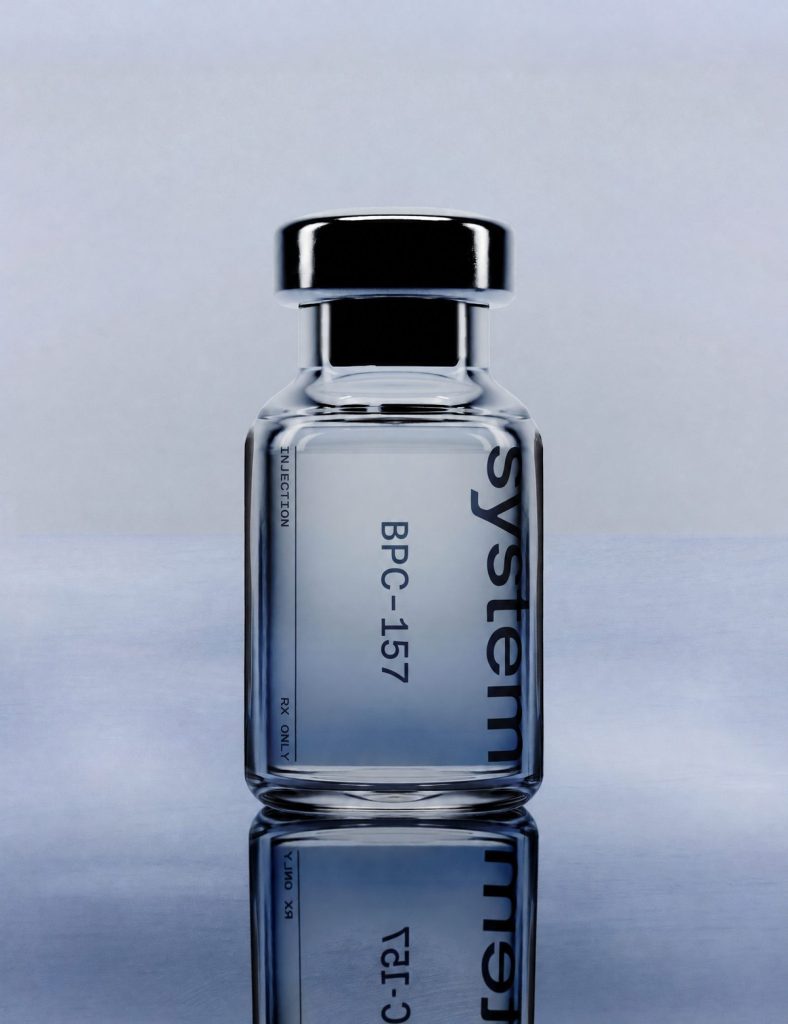
| BPC-157 | Injection, 5 mL vial at 3 mg/mL | $145/mo | Not shipped to California or South Carolina |
| TB-500 | Injection, 5 mL vial at 3 mg/mL | $145/mo | Not shipped to California or South Carolina |
| Epitalon | Injection, 5 mL vial at 10 mg/mL | $229/mo | Two months on, one month off |
| MOTS-c | Injection, 5 mL vial at 10 mg/mL | $199/mo | Cycled, with breaks between rounds |
| Semax | Nasal spray, 10 mL bottle | $119/mo | Needle-free |
| KPV | Topical cream, 15 mL pump at 15 mg/mL | $189/mo | Not shipped to South Carolina |
| NAD+ (injection or nasal) | Vial or spray | $76 first month, then $126 | Page labels it a quarterly supply |
| Glutathione injection / nasal | Vial or spray | $69 then $133 / $79 then $169 | Introductory pricing |
| Sermorelin injection / oral tablet | Vial or dissolving tablet | $89 then $175 / $79 then $159 | See the price conflict below |
| MIC+B12 | Injection | $89/mo | Flat price |
The newer peptide pages are unusually candid. Each one says the research is mostly laboratory or animal work and that human evidence is limited. The BPC-157 page even says the company “can’t promise a timeline or a result.” That honesty is welcome, but it also means paying monthly for compounds with no proven benefit in people.
Who actually makes the medication: 503A vs 503B
System Labs names one compounding partner, The Pharmacy Hub in Miami, Florida. It also says it can send prescriptions to retail pharmacies when that fits better.
The type of pharmacy matters. A 503A pharmacy compounds against individual prescriptions and is supervised mainly by its state board of pharmacy. A 503B outsourcing facility registers with the FDA, follows federal manufacturing standards (cGMP) and is subject to FDA inspection. The Pharmacy Hub does not appear on the FDA’s list of registered outsourcing facilities (current as of November 17, 2026), so it works as a 503A pharmacy. That isn’t a black mark, since the 2026 federal peptide policy below covers only 503A compounding, but it means oversight runs mainly through state inspectors rather than the FDA.
Read the terms, too. They describe the dispensing pharmacies as independent businesses over which System Labs has “no ownership, control, or operational oversight.” They also disclaim responsibility for compounding, testing and quality control. That sits awkwardly next to a homepage panel headed “System Laboratories, Inc. Testing.”
What “third-party tested” covers, and what it doesn’t
The site names four checks: potency, sterility, pH and endotoxins. Those are the right ones for an injectable. What we could not find on the pages we reviewed was a batch-level certificate of analysis (COA) you can match to the vial in your hand. Before your first order, ask support for:
- The lot-specific COA for your product, plus the name of the lab that ran it
- Where the raw peptide ingredient came from, and whether that supplier is FDA-registered
- The beyond-use date, and how a warm or damaged cold-chain delivery is handled
The regulatory picture, without the spin
According to a Venable legal analysis, all six newer peptides sat on the FDA’s “category 2” list, which flags bulk ingredients that may pose significant safety risks in compounding, from September 2023 until April 22, 2026. They came off the list because the original nominations were withdrawn, not because new safety data cleared them. The FDA’s page still describes immunogenicity and impurity concerns for each one. For KPV, MOTS-c and TB-500, it says it has found no human exposure data at all.
On July 23 and 24, 2026, the FDA’s Pharmacy Compounding Advisory Committee voted narrowly to recommend listing several of these peptides, including BPC-157. FDA staff had recommended against it. On October 28, 2026, HHS announced an interim policy: it won’t take enforcement action against 503A pharmacies compounding these six peptides if ten conditions are met. Those conditions include one active ingredient per product, a certificate of analysis from a registered manufacturer and fixed routes: KPV topical or oral, Semax nasal, TB-500, MOTS-c and Epitalon injected (Epitalon in intermittent courses), and BPC-157 injected, oral or topical.
System’s catalog matches those limits closely, which suggests it was built around the policy. Keep three caveats in mind. These remain unapproved drugs. The policy is not law, and HHS can revisit it. And states can still restrict these products, which is likely why some products won’t ship to California or South Carolina.
Fine print and red flags
- Conflicting sermorelin prices. The product card shows $89 for the first month and $175 after. The FAQ on the same page says $109, then $219 per month. Confirm the figure at checkout.
- “Quarterly supply” next to monthly prices. Several original products are labeled quarterly supplies but priced per month. Ask how often you’ll actually be charged.
- Two cancellation stories. Product pages say you can pause or cancel from your dashboard. The FAQ says to email support and calls a self-service billing portal “available soon.” Refills are automatic, so get any cancellation confirmed in writing.
- Refunds are narrow. You can cancel without charge before the prescription reaches the pharmacy. After that, sales are final. Damaged or wrong shipments must be reported within seven days.
- Legal terms favor the company. The terms require binding arbitration, waive class actions and cap System’s total liability at $100.
- Marketing tone varies. The NAD+ page claims that by your 40s you “may have half the NAD+ you had at 20,” and every testimonial shown is five stars.
Who should skip System Labs
- Competitive athletes. USADA notes that BPC-157 is banned under the WADA Prohibited List.
- People in California or South Carolina hoping to get BPC-157 or TB-500, and South Carolina residents who want KPV
- Anyone who needs FDA-approved treatment or wants to use insurance. System is cash-pay only.
- People who are pregnant, nursing, under 18, or managing a serious or complex condition without their own doctor involved
- Anyone expecting a predictable result
The service suits a narrower group: adults who have already decided to try a peptide, who would otherwise buy unlabeled “research use” vials online, and who want a prescription, a named pharmacy and a clinician they can message.
Frequently asked questions
Is System Labs’ BPC-157 FDA-approved?
No. The site’s own disclosure says its peptide medications are not FDA-approved. The October 2026 HHS policy pauses federal enforcement under set conditions. It doesn’t approve anything.
Is The Pharmacy Hub a 503A or 503B pharmacy?
It is not registered with the FDA as a 503B outsourcing facility, so it compounds as a 503A pharmacy under state board oversight. System’s terms describe it as an independent third party.
Can I get BPC-157 and TB-500 in one vial?
Not under the HHS policy, which requires a single active ingredient per product. System sells them as separate vials and says your clinician decides whether pairing them makes sense.
Verdict: transparent about the science, less so about the paperwork
System Labs is more forthcoming than most peptide sellers. It names its pharmacy, admits the evidence is early and keeps its catalog within the routes HHS allows. The weak spots are practical ones: no public batch COAs, conflicting prices and cancellation instructions, and terms that push quality responsibility onto the pharmacy and cap the company’s liability at $100. If you go ahead, request the COA, confirm your exact billing in writing, and treat any peptide course as an experiment, not a fix.
Compounded medications are prepared by licensed pharmacies but are not FDA-approved, and the FDA has not evaluated them for safety, effectiveness or quality. A licensed clinician decides whether any prescription is appropriate. This article is general information, not medical advice.
Related reading
Affiliate & medical disclosure: This review is independent and for information only, not medical advice. Some links may be affiliate links; we may earn a commission at no cost to you, which never affects our score. Consult a licensed provider before starting any product.