The Hip Thrust: Building Glute Strength for Performance and Posture
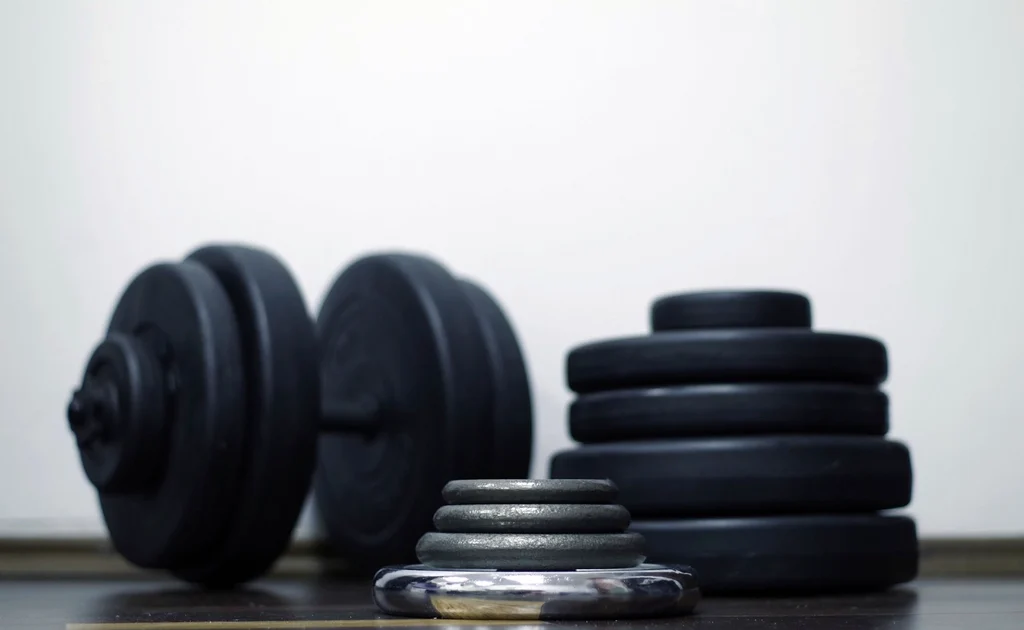
If you scan a typical gym floor, you’ll see plenty of squats and lunges but far fewer people doing the one exercise that most directly targets the largest muscle in the human body: the glutes. The hip thrust, once a niche movement popularized in strength and conditioning circles, has become one of the most evidence-backed ways to build posterior-chain strength — yet it’s still skipped by many lifters who assume squats alone are enough.
That’s a missed opportunity. Weak or underactive glutes are linked to poor posture, lower back discomfort, and reduced power output in running, jumping, and lifting. Understanding why the hip thrust works, and how to do it safely, can fill a real gap in most training programs.
Why the Glutes Matter More Than They Get Credit For
The gluteus maximus is the body’s primary hip extensor, meaning it’s responsible for driving the hips forward during walking, running, climbing stairs, and standing up from a seated position. When it’s weak, other muscles — particularly the lower back and hamstrings — compensate, which can contribute to strain over time.
Research consistently shows that targeted hip-extension training improves not just glute size but also functional outputs like sprint speed and jump height, because the glutes are heavily involved in forceful, explosive hip extension in a way that squats alone don’t fully replicate.
This is one reason the WHO’s physical activity guidelines specifically call for muscle-strengthening activities involving all major muscle groups on 2 or more days per week, in addition to at least 150 minutes of moderate aerobic activity — the glutes, as the body’s largest muscle group, are squarely part of that recommendation, yet they’re frequently left undertrained relative to their size and functional importance.
What Makes the Hip Thrust Different From Squats and Deadlifts
Squats and deadlifts are excellent compound lifts, but they place the greatest resistance on the muscles when the hip is more flexed (bent), which shifts more work to the quads and hamstrings depending on the joint angle. The hip thrust, by contrast, loads the glutes hardest at full hip extension — the top of the movement — which is precisely the range where the glutes generate the most force.
This makes the hip thrust a strong complement to, not a replacement for, squats and deadlifts. Combining horizontal hip-dominant movements like the hip thrust with vertical knee-dominant lifts gives a more complete lower-body program.
- Squats and lunges: knee-dominant, quad-focused, functional carryover to standing and climbing
- Deadlifts: hip-hinge pattern, strong hamstring and lower-back involvement
- Hip thrusts: peak glute activation at lockout, lower spinal load than a barbell squat
How to Perform a Hip Thrust With Proper Form
Good form protects the lower back and maximizes glute engagement. The basic setup:
- Sit on the ground with your upper back against a padded bench, knees bent, feet flat on the floor roughly hip-width apart.
- Roll a barbell (padded across the hips) or hold a dumbbell over your hip crease.
- Drive through your heels, squeezing the glutes to lift your hips until your torso and thighs form a straight line.
- Pause briefly at the top, then lower with control back to the starting position.
Common mistakes include hyperextending the lower back at the top instead of stopping at a neutral spine, letting the knees cave inward, and using momentum rather than a controlled squeeze. Starting with bodyweight or light resistance until the movement pattern feels natural is a reasonable approach for beginners. The Academy of Nutrition and Dietetics and most strength coaches agree that mastering a movement pattern with lighter loads over the first 2 to 4 weeks meaningfully reduces injury risk before adding significant weight.
Building Strength and Avoiding Injury
Because the hip thrust places less compressive load on the spine than a heavy back squat, it’s often recommended as a joint-friendlier way to build serious posterior-chain strength, particularly for people managing lower back sensitivity. That doesn’t mean it’s risk-free — the neck and upper back need a stable bench position, and going too heavy before mastering form can still cause strain.
As with any strength exercise, progressive overload (gradually increasing weight, reps, or sets over time) is what drives adaptation, and adequate recovery between heavy sessions matters just as much as the lift itself.
Beyond Aesthetics: Why Glute Strength Supports Everyday Life
Strong glutes aren’t just about how they look. They play a central role in pelvic stability, which affects posture, gait, and even the alignment of the knees and lower back during everyday movement. Older adults with stronger hip extensors tend to have better balance and a lower risk of falls, since the glutes help control the trunk and hips during walking and stair navigation.
For desk workers especially, long periods of sitting can lead to underactive glutes and tight hip flexors, a combination sometimes described informally as “gluteal amnesia.” Regular hip-extension training helps counteract this pattern, and research consistently shows that adults who maintain regular resistance training into midlife and beyond retain more functional lower-body strength and report better mobility than those who stop strength training entirely.
How to Apply This: A Simple Weekly Plan
You don’t need a complex program to see benefit. A practical starting approach:
- 2x per week: hip thrusts, 3 sets of 8–12 reps, moderate to challenging weight
- Pair with: one knee-dominant exercise (squat or lunge variation) and one hip-hinge exercise (deadlift variation or glute bridge) for balance
- Progression: add small increments of weight every 1–2 weeks once you can complete all sets with good form
- Recovery: allow at least 48 hours between heavy lower-body sessions
If you have existing back or hip issues, consult a physical therapist or healthcare provider before adding heavy loaded hip thrusts to your routine.
Can I do hip thrusts without a barbell?
Yes. Bodyweight glute bridges, dumbbell hip thrusts, or resistance-band variations all train the same pattern and are great starting points before progressing to barbell loading.
Will hip thrusts help my squat and deadlift numbers?
Many lifters find that stronger glutes translate into better lockout strength on deadlifts and more stable hip drive out of the bottom of a squat, though results vary by individual.
How much weight should I start with?
Start light enough to maintain full control and a pain-free range of motion, then progress gradually. There’s no universal starting weight since it depends on your training history and strength base.
Are hip thrusts safe for people with lower back pain?
They’re generally considered lower-impact on the spine than heavy squats, but anyone with existing back pain should get individualized guidance from a healthcare provider before loading the movement heavily.
Related reading
Affiliate & medical disclosure: This review is independent and for information only, not medical advice. Some links may be affiliate links; we may earn a commission at no cost to you, which never affects our score. Consult a licensed provider before starting any product.