Vitamin C Serum: What It Does for Your Skin and How to Use It
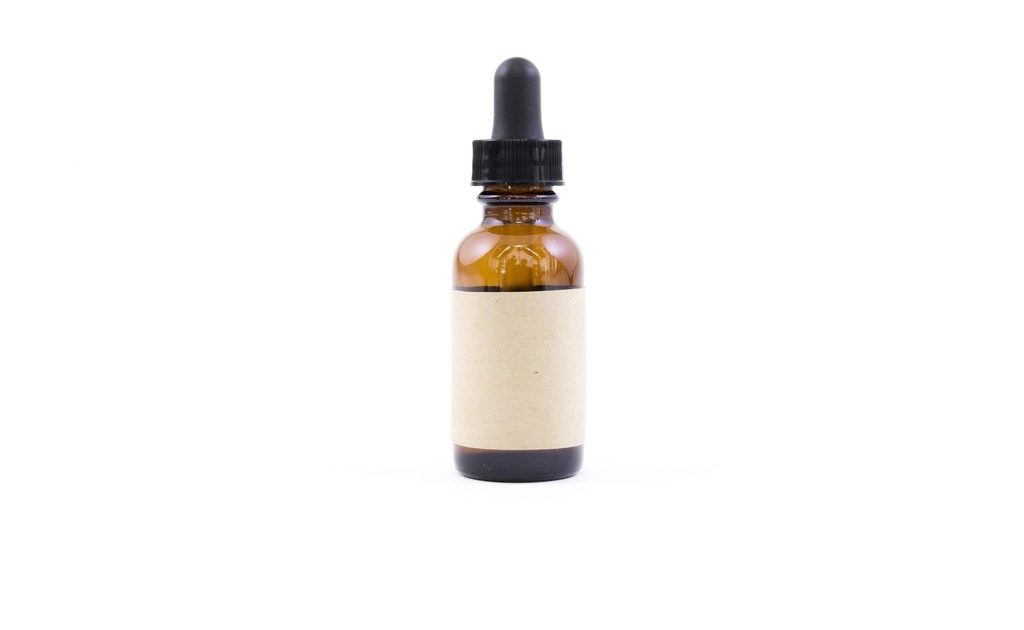
Vitamin C serum is one of the most recommended skincare products by dermatologists, yet it’s also one of the most misunderstood — many people buy a bottle, apply it inconsistently, and never see the brightening results they expected. Part of the problem is that not all vitamin C products are created equal, and using them incorrectly can undo much of their benefit.
A common mistake is assuming that a higher percentage on the label always means better results. In reality, vitamin C is a notoriously unstable ingredient, and formulation, packaging, and application order matter just as much as concentration.
What Vitamin C Actually Does for Skin
Topical vitamin C, most commonly in the form of L-ascorbic acid, is an antioxidant that helps neutralize free radicals generated by UV exposure and pollution. Research consistently shows that antioxidants like vitamin C can help reduce the visible signs of oxidative stress on skin, including uneven tone and some fine lines, when used consistently over time.
Vitamin C also plays a role in collagen synthesis, which is part of why it’s frequently marketed for firmness and brightness. It can additionally help fade the appearance of dark spots and hyperpigmentation by inhibiting excess melanin production, though results typically take 8-12 weeks of consistent use to become noticeable.
Choosing the Right Formulation
L-ascorbic acid is the most researched and generally most potent form, typically effective in concentrations between 10% and 20%. Higher isn’t automatically better — concentrations above 20% can increase irritation without proportionally increasing benefit for most skin types.
- L-ascorbic acid: Most studied and potent, but also the least stable and most likely to cause irritation in sensitive skin.
- Sodium ascorbyl phosphate and magnesium ascorbyl phosphate: Gentler, more stable derivatives, better suited for sensitive skin, though generally considered less potent.
- Packaging: Opaque, airless-pump bottles protect vitamin C from light and air exposure, which cause it to oxidize and turn a dark yellow or brown color, a sign the product has degraded.
How to Use It Correctly
Vitamin C serum is typically applied in the morning after cleansing and before moisturizer and sunscreen, since it can help boost the skin’s defense against daytime UV and environmental exposure. Applying sunscreen afterward is essential — vitamin C is not a replacement for SPF, only a complement to it.
Introduce it gradually, starting every other day for a week or two, especially if you have sensitive skin, since some tingling or mild redness can occur initially. If irritation persists beyond the adjustment period, discontinue use and consult a dermatologist.
What Not to Mix It With
Combining vitamin C with certain other actives can reduce effectiveness or increase irritation. Direct combination with retinol in the same routine can be irritating for some skin types, so many dermatologists recommend using vitamin C in the morning and retinol at night instead.
Vitamin C is generally considered compatible with vitamin E and ferulic acid, a combination that some research suggests may improve antioxidant stability and effectiveness compared to vitamin C alone.
Vitamin C and Sun Damage Prevention
One of the more practical reasons dermatologists recommend vitamin C is its potential role in helping the skin better withstand daily environmental stress, including UV exposure, when used alongside — not instead of — sunscreen. Some research suggests that combining a topical antioxidant with daily SPF may offer more comprehensive protection against free-radical damage than sunscreen alone, since the two work through different mechanisms.
This is particularly relevant for people concerned about premature skin aging, since cumulative UV exposure over years is one of the most significant contributors to fine lines, uneven texture, and hyperpigmentation. A consistent morning routine that pairs vitamin C with broad-spectrum sunscreen addresses both the oxidative stress and the direct UV damage components of that equation.
Setting Realistic Expectations
It’s worth being clear-eyed about what vitamin C serum can and can’t do. It’s a supportive, evidence-backed addition to a skincare routine, but it isn’t a substitute for other foundational habits like consistent sun protection, adequate sleep, and a generally healthy diet, all of which also influence skin appearance and aging over time.
Individual results also vary based on skin type, the severity of concerns like hyperpigmentation, and consistency of use. Someone using vitamin C serum sporadically, or alongside unprotected sun exposure, is unlikely to see the same results as someone using it consistently as part of a complete morning routine that includes daily sunscreen.
How to Apply This: A Simple Routine
Here’s a straightforward way to introduce vitamin C serum into your routine:
- Morning: Cleanse, apply a few drops of vitamin C serum to dry skin, wait a minute for absorption, then moisturize and finish with broad-spectrum SPF 30 or higher.
- First two weeks: Use every other day to monitor for irritation.
- After adjustment: Use daily if tolerated well.
- Storage: Keep the bottle in a cool, dark place and replace it if the color changes noticeably from its original pale yellow.
If you have very sensitive or reactive skin, or a diagnosed skin condition, check with a dermatologist before adding new actives to your routine.
How long does it take to see results from vitamin C serum?
Most people notice initial brightening effects within 4-6 weeks, with more significant improvements in tone and texture around 8-12 weeks of consistent daily use.
Can I use vitamin C serum every day?
Yes, for most skin types once you’ve built up tolerance. Daily morning use is the most common recommendation among dermatologists.
Does vitamin C serum replace sunscreen?
No. Vitamin C is an antioxidant that supports skin health, but it does not provide UV protection. Sunscreen remains essential regardless of your serum routine.
Why did my vitamin C serum turn orange or brown?
This usually indicates oxidation from light, air, or heat exposure, meaning the product has degraded and lost much of its effectiveness. It’s generally best to discard and replace it.
Can I use vitamin C serum around my eyes?
Some formulations are specifically designed for the delicate eye area, but standard facial vitamin C serums can be too irritating there for many people. If you want to target the under-eye area, look for a product labeled specifically for that use, and patch-test first.
Related reading
Affiliate & medical disclosure: This review is independent and for information only, not medical advice. Some links may be affiliate links; we may earn a commission at no cost to you, which never affects our score. Consult a licensed provider before starting any product.