Winona Patch vs Cream vs Pill: Choosing Your HRT Delivery Format
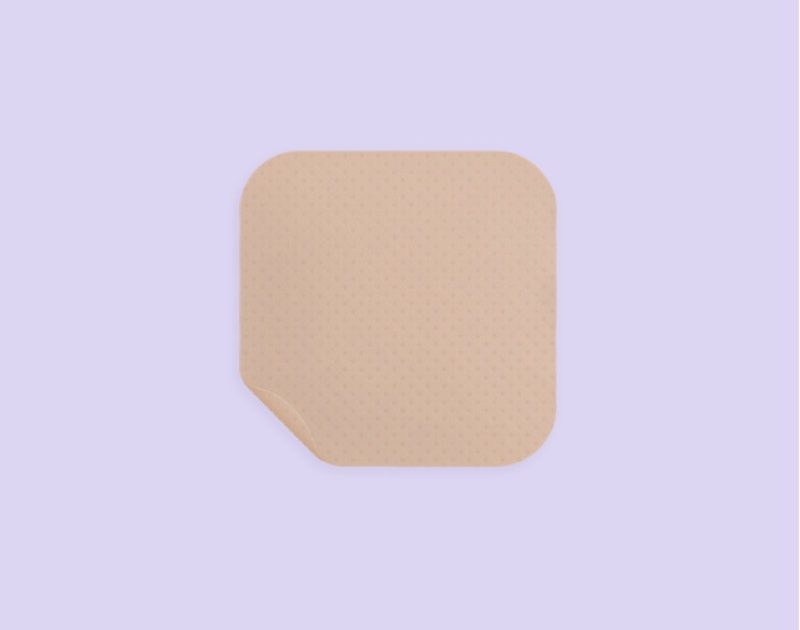
Once you decide hormone replacement therapy is worth exploring, Winona hands you a second decision most telehealth services never mention up front: how do you actually want the hormones delivered? A patch you change twice a week, a cream you rub in each morning, or a pill you swallow at night are not interchangeable — each format behaves differently in your body, fits differently into your routine, and forgives (or punishes) different habits.
So instead of another general overview, this is a straight format face-off. Patch versus cream versus pill, round by round, with a clear call at the end of each matchup — so by the time you sit down for your Winona intake, you already know which delivery format you want to discuss with your assigned physician.
Meet the three contenders
Winona’s lineup is built around bioidentical, plant-derived hormones — the actives are either FDA-approved or compounded to your prescription — and every format arrives the same way: a five-minute quiz, a medical intake, an assigned board-certified physician, and medication shipped home with no blood tests required. There is a fourth, specialized option — vaginal applications for localized symptoms — but the three main-event fighters for whole-body relief are the transdermal patch, the body cream, and the oral pill.
One thing this face-off cannot decide for you: whether HRT is appropriate at all. It is prescription medicine, and Winona’s physicians screen for contraindications such as a history of certain cancers or blood clots. The Menopause Society (formerly NAMS) position is reassuring here — for healthy women under 60 or within 10 years of menopause onset, the benefits of hormone therapy generally outweigh the risks — but that determination belongs to your doctor, not a comparison article.
Round 1: Steady hormone levels
This round matters most if your symptoms ambush you — hot flashes at 3 p.m., night sweats at 3 a.m. The patch is the metronome of the group: it releases hormones continuously through the skin for days at a time, so your levels stay remarkably flat between changes. No daily peaks or troughs, and because it bypasses the digestive system, the liver’s first-pass metabolism never gets a vote.
The cream also delivers transdermally, but it depends on you applying a consistent amount to a consistent area at a consistent time. Do that faithfully and it performs beautifully; get sloppy and your levels wander. The pill produces a daily rise-and-fall curve by design, and absorption can vary with what you have eaten. Oral dosing still controls symptoms well for most women, but it is the least flat line of the three.
Round 1 verdict: patch wins on consistency, cream takes second, pill trails on smoothness alone.
Round 2: Fitting into your actual life
Effectiveness on paper means nothing if the format fights your routine. Here the patch turns high-maintenance for some women: it must stay stuck through showers, workouts, and humid summers, and a patch that peels at the edges under-delivers. If you swim daily or your skin objects to adhesives, that twice-weekly convenience carries an asterisk.
The pill is the format your muscle memory already knows. If you take anything else nightly — a supplement, a thyroid med — one more tablet costs you zero new habits. The cream sits in the middle: a 30-second morning ritual that some women genuinely enjoy and others find fussy, with one honest caveat — you need to let it absorb before dressing and avoid transferring it to kids, partners, or pets through skin contact right after application.
Round 2 verdict: pill wins for pure convenience, patch second for the set-and-forget crowd, cream third unless you like ritual.
Round 3: Side-effect profiles and skin versus stomach
Every delivery route asks a different part of your body to cooperate. The patch and cream ask your skin: adhesive irritation or redness at the application site are the typical complaints, and rotating sites usually manages them. The pill asks your digestive system and liver: oral estrogen’s first-pass metabolism is why many prescribers lean transdermal for certain risk profiles, since skin delivery sidesteps that hepatic processing altogether.
This is exactly the round where Winona’s model earns its keep. Your plan includes free unlimited follow-ups and a structured check-in around week ten, so if your skin rebels against the patch or the pill sits poorly, switching formats is a message to your physician rather than a new appointment hunt. You can also pause or cancel anytime, which lowers the cost of guessing wrong on your first pick.
Round 3 verdict: cream edges it — transdermal benefits with the fewest hard failure modes — patch close behind, pill third for anyone whose physician flags first-pass concerns.
Round 4: Dose flexibility and fine-tuning
HRT is rarely right on the first try; it gets dialed in. The cream is the most adjustable of the trio — compounded to your prescription, it can be tweaked in small increments as your physician refines your dose. The pill adjusts in defined steps, which is predictable but chunkier. The patch is the least granular: you generally move between set strengths, and mid-cycle changes mean swapping products rather than nudging a measurement.
Winona’s own outcome claim — that within three months, 80% of women report significant or complete relief — is really a claim about this tuning process working. Whichever format you start with, the first ninety days are calibration, and the format that calibrates most easily has a structural advantage.
Round 4 verdict: cream takes the flexibility crown, pill second, patch third.
The scoreboard
| Round | Patch | Cream | Pill |
|---|---|---|---|
| Steady levels | Win | 2nd | 3rd |
| Routine fit | 2nd | 3rd | Win |
| Side-effect profile | 2nd | Win | 3rd |
| Dose flexibility | 3rd | Win | 2nd |
Which format should you pick?
Pick the patch if erratic symptoms are your enemy and you want the flattest possible hormone curve with only two applications a week — and your skin tolerates adhesives. Pick the cream if you expect your dose to need fine-tuning, you prefer transdermal delivery, and a small morning ritual does not bother you. Pick the pill if adherence is everything, you already have a nightly medication habit, and your physician sees no reason to avoid oral dosing. And if your symptoms are primarily localized rather than body-wide, ask about the vaginal applications instead — sometimes the right answer is not in the main event at all.
With Winona the choice is a starting point, not a contract: free shipping, free follow-ups, HSA/FSA eligibility, and easy format switches mean your first pick only needs to be reasonable, not perfect.
Frequently asked questions
Can I switch between Winona formats after starting?
Yes. Unlimited follow-ups with your physician are included, and format changes are a normal part of the adjustment period — many women settle on their final format at the ten-week check-in.
Do any of the formats require blood tests?
No. Winona prescribes based on your medical intake and symptom picture across all formats, with no lab work required to begin treatment.
Is one format safer than the others?
Safety depends more on your personal history than on the format. Transdermal routes avoid first-pass liver metabolism, but contraindication screening — history of certain cancers or clotting disorders — applies equally to all three.
How is any of this priced?
Winona quotes pricing after your intake, since it depends on your prescribed formulation. No insurance is needed, shipping is free, and HSA/FSA funds are accepted.
Final bell
On points, the cream wins two rounds, the patch and pill one each — but your scorecard matters more than ours. The real advantage of Winona’s lineup is that a board-certified physician helps you choose, then helps you change your mind. Pick the format that fits the life you actually live, start the quiz, and let the ninety-day tuning window do its work.
Related reading
Affiliate & medical disclosure: This review is independent and for information only, not medical advice. Some links may be affiliate links; we may earn a commission at no cost to you, which never affects our score. Consult a licensed provider before starting any product.