Starting Creatine After 40: Late but Worth It?
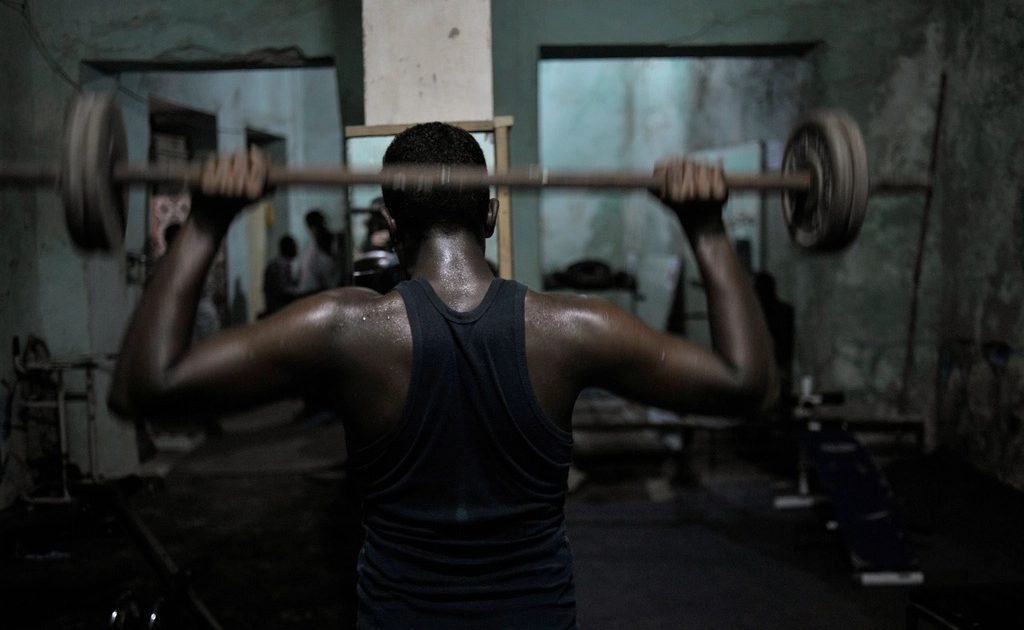
Creatine has a reputation problem with men over 40. It reads as a gym-bro supplement — something for 22-year-olds chasing a pump, not for a guy with a mortgage and a creaky knee. So most men who’d benefit from it the most never touch the stuff, while their sons buy it by the kilogram.
That’s backwards. If there’s an age group with the strongest practical case for creatine, it’s probably middle-aged and older adults — the people actively losing the muscle it helps preserve. Starting at 45 isn’t late. It’s arguably right on time.
What creatine actually does, minus the mythology
Your muscles run short, hard efforts on a molecule called phosphocreatine. It regenerates ATP — the immediate energy currency — during the first seconds of a heavy lift, a sprint, or standing up out of a deep chair. Your body makes about a gram of creatine per day and you eat some in meat and fish, but muscle stores typically sit around 60 to 80 percent full.
Supplementing tops off the tank. Full stores mean an extra rep or two per set, slightly faster recovery between sets, and — over months — more training stimulus accumulated. Creatine doesn’t build muscle directly. It lets you do a bit more of the work that builds muscle. The distinction matters, because creatine without training does very little.
Why the after-40 math is different
Here’s the backdrop: research consistently shows adults lose roughly 3 to 8 percent of their muscle mass per decade after age 30, and the slide accelerates past 60. Strength drops even faster than size. This is the on-ramp to sarcopenia, and it’s why “I’m just getting older” feels the way it does on the stairs.
Creatine plus lifting pushes against exactly that. Meta-analyses pooling randomized trials in adults over 50 have found that people combining creatine with resistance training gained on the order of 1.4 kilograms more lean mass than those training with a placebo, along with larger strength improvements on upper- and lower-body lifts. Not a transformation. But at an age when the default direction is down, a measurable push upward is worth something.
The International Society of Sports Nutrition’s position stand calls creatine monohydrate the most effective ergogenic supplement available for increasing high-intensity exercise capacity and lean mass — and, notably, it flags creatine’s potential value for aging populations, not just athletes.
The safety question every 40-plus guy asks
“Doesn’t it wreck your kidneys?” No — not in healthy people, and this has been studied to death. Creatine raises creatinine, a lab marker doctors use to estimate kidney function, because creatinine is literally a breakdown product of creatine. More creatine in, more creatinine out. The marker moves; the kidneys are fine. The ISSN’s review of the evidence found no harm to kidney or liver function in healthy users across studies lasting up to five years.
Two honest exceptions:
- Existing kidney disease. If you have diagnosed kidney problems, or diabetes with any kidney involvement, talk to your doctor first. Full stop.
- Lab confusion. Tell your physician you take creatine before bloodwork, or your slightly elevated creatinine may buy you an unnecessary workup.
Expect one to two kilograms of quick water weight in the first weeks — that’s water pulled into muscle cells, not fat, and it’s part of how the stuff works.
How to take it (this part is boring, which is good)
- Buy creatine monohydrate. Plain powder. Not “HCl,” not buffered blends, not proprietary matrices — monohydrate is the form with hundreds of studies behind it and it costs the least.
- Take 3 to 5 grams daily. Every day, training or not. Consistency beats timing.
- Skip the loading phase if you like. Loading (20 g/day for a week) saturates muscles faster; 5 g daily gets you to the same place in about four weeks with less stomach grumbling.
- Mix it with anything. Coffee, water, a protein shake. It’s flavorless and dissolves better in warm liquid.
- Pair it with actual lifting. Two to three strength sessions a week, progressively loaded. This is the engine; creatine is the octane booster.
Cost check: quality monohydrate runs around 10 to 15 cents per daily dose. There aren’t many things in the supplement aisle where the price and the evidence are both this favorable.
What creatine won’t do — my gripe with the hype
The pendulum has swung so hard that creatine now gets sold as a cure-all: brain pills, longevity powder, depression treatment. The cognition research is genuinely interesting — some trials show benefits for memory under sleep deprivation and in older adults — but it’s early, mixed, and heavily oversold by people with discount codes. Buy creatine for the muscle and strength effects, which are proven. Treat any brain benefits as a possible bonus, not the reason.
It also won’t fix a missing program. Five grams of powder on top of zero workouts and 60 grams of daily protein is a rounding error. The unsexy stack for a 45-year-old is: progressive lifting, roughly 1.2 to 1.6 grams of protein per kilogram per day, seven hours of sleep, then creatine. In that order.
Am I too old to start creatine at 50 or 60?
No. Most of the trials showing lean-mass and strength benefits were run in adults 50 and older, some in their 70s and 80s. The response requires resistance training at any age, but the machinery still works.
Will creatine make me gain fat?
No. It has no calories. The scale typically rises one to two kilograms from intracellular water and, over months, from actual muscle. Waistlines don’t grow from creatine.
Do I need to cycle off periodically?
There’s no evidence you need to. Long-term daily use hasn’t shown harm in healthy adults, and stopping just lets muscle stores drain back down over about a month.
Does it cause hair loss?
The worry traces to a single 2009 rugby study that found a rise in DHT, a hormone linked to male pattern baldness — and no study since has replicated it or shown actual hair loss. The evidence for the fear is thin. If you’re particularly balding-averse, weigh it, but there’s no demonstrated effect on hair to date.
Related reading
Affiliate & medical disclosure: This review is independent and for information only, not medical advice. Some links may be affiliate links; we may earn a commission at no cost to you, which never affects our score. Consult a licensed provider before starting any product.