Himalayan Pink Salt vs Table Salt vs Sea Salt: Does the Type of Salt Matter?
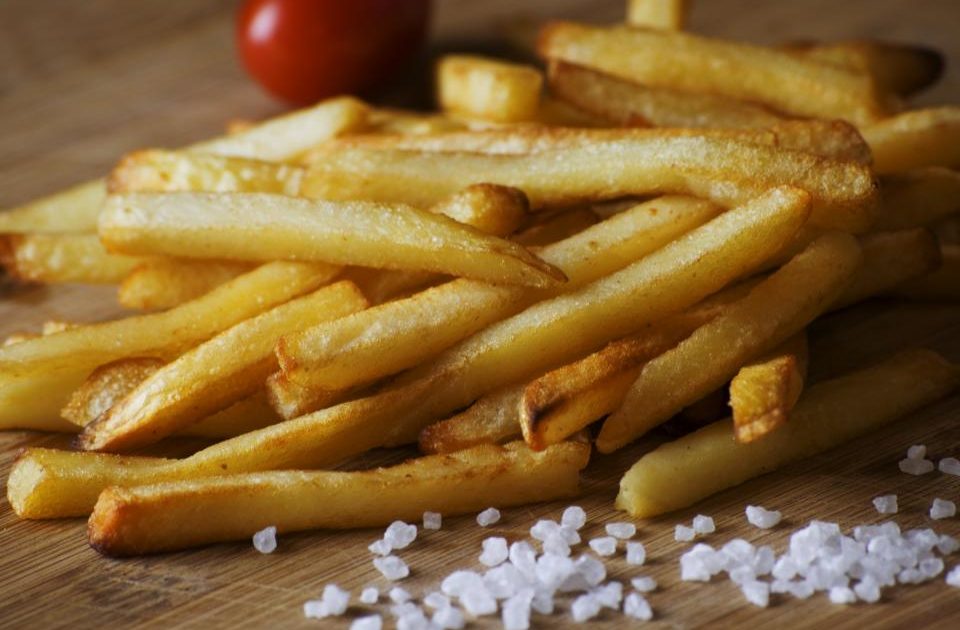
Walk down the salt aisle and you’ll find a dozen options promising different benefits: fine table salt, coarse sea salt, pink Himalayan crystals, black lava salt, smoked flakes. Prices can vary by 20x for what looks like the same white (or pink) crystal. But strip away the marketing and a surprising truth emerges: nutritionally, almost all of them behave the same way in your body.
That doesn’t mean the choice is meaningless — there are real differences in iodine content, mineral trace amounts, and how much sodium you end up eating per pinch. This guide breaks down what actually separates table salt, sea salt, and Himalayan pink salt, and what genuinely matters for your health versus what’s just clever packaging.
The One Thing All Salts Have in Common
Chemically, salt is sodium chloride (NaCl), and virtually every type sold for cooking is somewhere around 97-99% pure NaCl by weight, regardless of its source or color. Table salt, sea salt, and Himalayan pink salt all deliver roughly the same amount of sodium per gram — about 40% of the crystal’s weight is sodium.
This matters because sodium, not the “type” of salt, is what drives the health conversations around blood pressure and cardiovascular risk. The World Health Organization recommends adults consume less than 2 grams of sodium (about 5 grams of salt, roughly one teaspoon) per day, and the American Heart Association advises an ideal limit closer to 1,500 mg for most adults, especially those with or at risk of high blood pressure.
- Table salt: ~99% sodium chloride, often with anti-caking agents
- Sea salt: ~98% sodium chloride, with trace minerals from evaporated seawater
- Himalayan pink salt: ~96-98% sodium chloride, with trace iron oxide (the source of its color)
Table Salt: Consistent, Iodized, and Often Underrated
Standard table salt is mined from underground deposits, then refined and ground into fine, uniform crystals. Most brands are fortified with iodine, a practice the Academy of Nutrition and Dietetics credits as one of the most successful public health interventions of the 20th century for preventing iodine-deficiency disorders like goiter.
Because it dissolves quickly and measures consistently, table salt is also the most predictable option for baking and recipes that depend on precise sodium levels. Its main “downside” is really just perception — it’s seen as less premium — but from a nutrition standpoint it’s a reliable, affordable choice.
Sea Salt: Trace Minerals, Big Marketing
Sea salt is produced by evaporating seawater, leaving behind crystals that carry trace amounts of minerals like magnesium, potassium, and calcium. These amounts are genuinely tiny — typically less than 2% of the total weight — so sea salt does not meaningfully contribute to your daily mineral intake the way food sources like leafy greens, nuts, or dairy do.
Sea salt crystals also tend to be larger and less densely packed than fine table salt, meaning a teaspoon of coarse sea salt can contain less sodium than a teaspoon of table salt simply because of how the crystals stack. This is a genuine practical difference, but it’s about crystal geometry, not health superiority.
Himalayan Pink Salt: What the Pink Color Really Means
Himalayan pink salt is mined from ancient salt deposits, primarily in Pakistan’s Khewra Salt Mine. Its pink hue comes from trace iron oxide (essentially rust) along with other minerals. Marketing often claims it contains “84 trace minerals,” but laboratory analyses show these trace elements amount to a fraction of a percent of the total composition — nutritionally insignificant compared to your overall diet.
Himalayan salt is also almost always non-iodized, which matters if it’s your primary salt source and you don’t get iodine from other foods like dairy, seafood, or iodized bread.
- Pink color comes from iron oxide, not a special health compound
- Trace minerals are present but in amounts too small to matter nutritionally
- Typically lacks iodine fortification
Does the Type of Salt Actually Affect Your Health?
Research consistently shows that total sodium intake — not the source of that sodium — is what’s linked to blood pressure and cardiovascular outcomes. The CDC notes that more than 70% of U.S. adults consume more sodium than recommended, largely from processed and restaurant foods rather than the salt shaker at home. Swapping table salt for pink Himalayan salt does nothing to offset that if your overall diet is high in packaged foods.
There is one population-level consideration worth flagging: if a household relies exclusively on non-iodized salts (sea salt, Himalayan salt) and doesn’t eat much dairy, seafood, or fortified bread, iodine intake can run low over time. This is a minor but real reason to keep at least some iodized table salt in the rotation, or to discuss it with a healthcare provider if you have specific dietary restrictions.
How to Apply This: A Practical Approach to Salt
Rather than agonizing over which bag of crystals to buy, focus on the factors that actually move the needle for your health.
- Track your source, not your shaker. Most excess sodium comes from processed foods, canned goods, deli meats, and restaurant meals — read nutrition labels here first.
- Keep at least one iodized salt in the house if you don’t regularly eat dairy, seafood, or iodine-fortified foods.
- Use coarse sea salt or Himalayan salt for flavor and texture if you enjoy them — finishing a dish with flaky salt can enhance taste, letting you sometimes use less overall.
- Season by taste and measurement, not habit. A pinch of coarse salt is not equivalent to a pinch of fine salt; when a recipe specifies “table salt,” substituting a coarser grain without adjusting the amount can change the sodium content.
- Talk to a healthcare provider if you have hypertension, kidney disease, or are pregnant, since your personal sodium target may be lower than the general population’s.
Beyond the Shaker: Where Your Sodium Really Comes From
A single slice of frozen pizza, a can of soup, or a fast-food sandwich can easily contain half a day’s recommended sodium in one sitting — far more than you’d ever add with a salt shaker at home. The American Heart Association points out that roughly 70% of sodium in the average American diet comes from packaged and restaurant foods, not from cooking or seasoning at the table.
This is why simply switching salt types, without addressing overall diet patterns, rarely changes health outcomes. If lowering sodium is a goal, prioritizing fresh, minimally processed foods will do far more than choosing pink over white.
Is pink Himalayan salt healthier than table salt?
Not meaningfully. Both are over 96% sodium chloride, and the trace minerals in Himalayan salt are present in amounts too small to offer measurable health benefits. The main practical difference is that table salt is usually iodized and Himalayan salt typically is not.
Does sea salt have less sodium than table salt?
By volume, coarse sea salt can pack slightly less sodium into a teaspoon than fine table salt because the larger crystals leave more air gaps. By weight, sodium content is nearly identical.
Should I worry about iodine if I only use sea salt or pink salt?
It’s worth paying attention to if these are your only salt sources and you don’t regularly eat dairy, seafood, or iodized bread. Consider keeping iodized table salt on hand or discussing iodine intake with a healthcare provider, particularly if you’re pregnant.
How much salt is actually safe per day?
The World Health Organization recommends under 5 grams of salt (about 2,000 mg of sodium) daily for most adults, while the American Heart Association’s ideal limit is closer to 1,500 mg of sodium for many adults, particularly those managing blood pressure.
Related reading
Affiliate & medical disclosure: This review is independent and for information only, not medical advice. Some links may be affiliate links; we may earn a commission at no cost to you, which never affects our score. Consult a licensed provider before starting any product.