Sodium Intake: How Much Is Too Much, and How to Cut Back
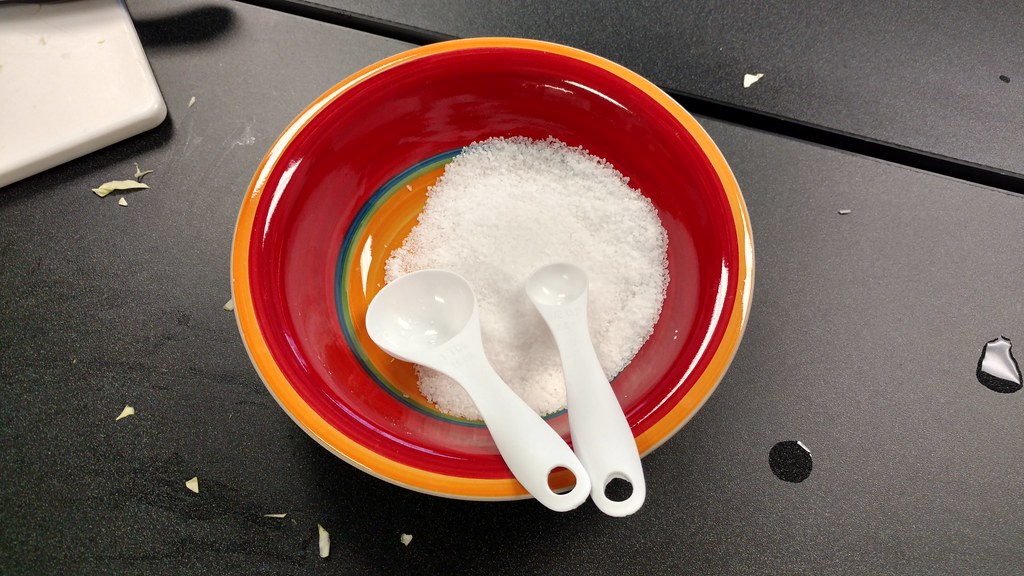
Most people picture a saltshaker when they think about sodium, but the shaker is a minor player. The bulk of the sodium in a typical diet is already baked into bread, sauces, deli meat, canned soup, and restaurant meals before a single grain of salt is added at the table. That hidden math is a big reason sodium intake tends to run high without anyone consciously “salting” their food to excess.
The CDC notes that most adults in the United States consume well above 3,400 mg of sodium a day, while the AHA recommends an ideal limit of no more than 1,500 mg daily for most adults, with 2,300 mg (about one teaspoon of salt) as a more realistic upper ceiling. Closing that gap doesn’t require a bland, joyless diet — it requires knowing where sodium actually hides and making a handful of consistent swaps.
Why Sodium Matters for Your Health
Sodium helps regulate fluid balance, nerve signaling, and muscle function, so the body genuinely needs some of it. The issue is volume, not existence. Consistently high intake is linked with elevated blood pressure in many people, and the WHO recommends adults consume less than 2 grams of sodium per day (equivalent to just under 5 grams of salt) partly because of the well-documented relationship between excess sodium and cardiovascular strain.
Not everyone responds to sodium the same way. Some people are “salt-sensitive,” meaning their blood pressure rises more sharply with high intake, while others show relatively little change. Genetics, kidney function, age, and existing health conditions all play a role, which is one reason blanket advice should still be paired with a conversation with a healthcare provider, especially for anyone with hypertension, kidney disease, or heart conditions.
- Sodium supports nerve transmission and fluid regulation in every cell
- Excess intake is associated with higher blood pressure in many, though not all, individuals
- Salt sensitivity varies significantly from person to person
Where Sodium Actually Comes From
Research consistently shows that the majority of dietary sodium in Western diets comes from processed and restaurant food rather than home cooking or the saltshaker. Bread and rolls, cold cuts, pizza, sandwiches, soups, and savory snacks are frequently cited as leading contributors — not because any single serving is shocking, but because they’re eaten so often.
Sauces and condiments are another quiet source. Soy sauce, salad dressing, marinades, and pre-made seasoning blends can add several hundred milligrams per tablespoon. Canned and jarred goods — vegetables, beans, and broths — are often packed in sodium-heavy liquid unless labeled “no salt added” or “low sodium.”
- Bread, cold cuts, and cheese: frequent, moderate contributors due to how often they’re eaten
- Canned soups and broths: can carry 600-900 mg or more per serving
- Condiments and sauces: easy to overlook, easy to overpour
- Restaurant and fast food: portions are often seasoned well beyond home-cooking norms
Reading Labels the Right Way
The Nutrition Facts panel lists sodium in milligrams per serving, and the serving size is the detail people miss most often. A bag of chips might look “reasonable” at 200 mg of sodium, until you realize the bag contains three servings and most people eat it in one sitting.
The %DV (percent Daily Value) for sodium is based on 2,300 mg per day. As a quick rule of thumb, 5% DV or less per serving is considered low, while 20% DV or more is considered high. Scanning for that single number lets you compare products quickly without doing mental math on every label.
Practical Ways to Cut Back
Reducing sodium doesn’t mean eliminating flavor. Herbs, citrus, vinegar, garlic, chili, and toasted spices can replace much of the “punch” that salt provides, and your palate genuinely does adjust — research on sodium reduction programs suggests taste preferences shift within a few weeks of consistently lower intake.
- Cook more meals at home, where you control the salt added
- Rinse canned beans and vegetables to remove a portion of surface sodium
- Choose “no salt added” or “low sodium” versions of canned goods and broths
- Build meals around fresh or frozen (not breaded/sauced) vegetables and lean proteins
- Season with acid (lemon, lime, vinegar) and aromatics before reaching for the shaker
- Watch condiment portions — measure instead of free-pouring for a week to see real amounts
A Sample Day of Lower-Sodium Eating
Breakfast: plain oatmeal with fresh fruit and a small handful of nuts instead of instant flavored packets, which can carry a surprising amount of sodium for a “breakfast” food. Lunch: a grain bowl with grilled chicken, fresh vegetables, and a lemon-olive oil dressing instead of a deli sandwich. Dinner: home-cooked stir-fry using reduced-sodium soy sauce, garlic, ginger, and fresh vegetables over rice.
Small, repeatable choices like these compound. You don’t need a perfect day — you need a pattern that trends lower over weeks and months, which is exactly how blood pressure and sodium research studies measure meaningful change in the first place.
Special Considerations
Athletes and people who sweat heavily may have somewhat different sodium needs, since sodium is lost through sweat and needs replacing during prolonged, intense exercise. This is a case where “less is always better” doesn’t automatically apply, and it’s worth discussing individual needs with a sports dietitian or physician rather than assuming general population guidance covers every scenario.
People managing high blood pressure, kidney disease, or heart failure are often given more specific, and sometimes stricter, sodium targets by their care team. If you fall into one of these groups, treat general guidelines as a starting point for conversation rather than a final answer.
Is sea salt or pink Himalayan salt healthier than table salt?
Not meaningfully. Gram for gram, most salts are similar in sodium content; the mineral differences are too small to change health outcomes. The amount you use matters far more than the type.
How quickly can cutting sodium affect blood pressure?
Some studies suggest measurable changes within a few weeks for salt-sensitive individuals, though responses vary by person. Consistency over months tends to matter more than any single dramatic change.
Do I need to avoid salt completely?
No. Sodium is an essential nutrient, and healthy kidneys regulate it well within a normal range. The goal for most people is moderation and awareness of hidden sources, not elimination.
Are electrolyte drinks a good way to manage sodium?
For most non-athletes going about a normal day, they’re usually unnecessary and can add sodium on top of an already adequate diet. They’re more relevant for endurance exercise, heavy sweating, or specific medical guidance.
Related reading
Affiliate & medical disclosure: This review is independent and for information only, not medical advice. Some links may be affiliate links; we may earn a commission at no cost to you, which never affects our score. Consult a licensed provider before starting any product.