Cooking Methods and Nutrient Retention: Steaming vs Boiling vs Roasting Vegetables
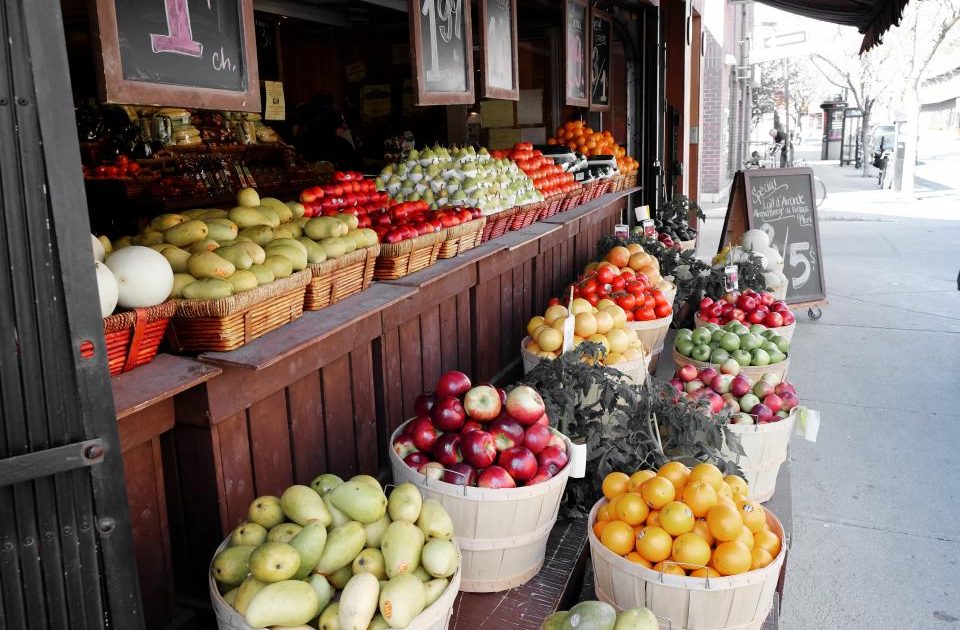
Most people worry about which vegetables to buy, but almost no one thinks about how cooking them changes what actually ends up on the fork. Boil a pot of broccoli for ten minutes and you can lose more than half of its vitamin C into the water before you ever taste it. That single mistake, repeated meal after meal, quietly undoes a lot of good grocery-shopping intentions.
The good news is that nutrient loss during cooking is not random — it follows predictable patterns based on heat, water, and time. Once you understand those patterns, you can keep almost all the benefit of eating vegetables while still cooking them the way you actually enjoy.
Why Cooking Method Matters More Than You Think
Vitamins fall into two broad categories: water-soluble (vitamin C and the B vitamins) and fat-soluble (vitamins A, D, E, and K). Water-soluble vitamins dissolve into cooking liquid and break down with prolonged heat, while fat-soluble vitamins are more heat-stable but can still degrade with very high, prolonged temperatures or be lost if you discard cooking fats.
The World Health Organization recommends at least 400 grams — roughly five servings — of fruits and vegetables a day for general health, but the nutrient density of those servings depends heavily on preparation. Comparisons of nutrient retention across cooking methods consistently show that the amount of water used and the length of cooking time matter more than the type of vegetable itself.
Steaming: The Gentlest Way to Preserve Water-Soluble Vitamins
Steaming keeps vegetables out of direct contact with water, which limits the leaching that happens during boiling. Research consistently shows that steamed vegetables retain significantly more vitamin C and folate than boiled ones, often preserving 80-90% of these nutrients compared to much steeper losses with boiling.
Steaming also tends to preserve texture and color better, which is a useful visual cue — vividly colored vegetables are often a sign that pigments and the antioxidants tied to them have survived the cooking process intact.
- Keep steaming time short — most vegetables need only 3-7 minutes.
- Cut vegetables into larger pieces to reduce surface area exposed to heat.
- Cover the pot to trap steam and shorten cooking time.
Boiling: Convenient but Costly for Certain Nutrients
Boiling is the most nutrient-lossy common method because vegetables are fully submerged, giving water-soluble vitamins and minerals like potassium ample opportunity to leach out. Studies comparing cooking methods have found that boiling can reduce vitamin C content in vegetables like spinach and broccoli by 50% or more, especially with longer cooking times.
That doesn’t mean boiling is always the wrong choice — it’s cheap, requires no special equipment, and is genuinely useful for softening tough vegetables like potatoes. The fix is simple: use the cooking water in soups, sauces, or grain cooking whenever possible, since much of the lost nutrition ends up dissolved in it rather than destroyed.
Roasting: Great for Flavor, Mixed for Nutrients
Roasting uses dry heat, so it avoids the leaching problem entirely, but the higher temperatures and longer cook times can degrade some heat-sensitive vitamins, particularly vitamin C. On the other hand, roasting can actually increase the availability of certain antioxidants — the Academy of Nutrition and Dietetics has noted that cooking tomatoes, for example, increases the bioavailability of lycopene, an antioxidant linked to heart health, even though some vitamin C is lost in the process.
The practical takeaway is that no single method is universally “best” — different vegetables and different nutrients respond differently to heat, so variety in both vegetables and cooking methods is a reasonable strategy.
- Roast at moderate temperatures (375-400°F) rather than very high heat for longer nutrient retention.
- Toss vegetables in a small amount of healthy fat — this helps absorb fat-soluble vitamins like A, E, and K.
- Avoid over-browning, which can indicate significant nutrient breakdown along with flavor compounds.
Microwaving and Stir-Frying: Underrated Options
Microwaving often gets an undeserved reputation as an inferior cooking method, but because it uses short cooking times and little to no added water, it frequently preserves more nutrients than boiling. Some comparative analyses have found microwaved vegetables retain vitamin C levels close to those of steamed vegetables.
Stir-frying is another strong option: the high heat is brief, and a small amount of oil helps with fat-soluble vitamin absorption. Quick-cooked, still-crisp vegetables are generally a good sign that nutrients have been mostly preserved.
How to Apply This: A Practical Cooking Plan
You don’t need to overhaul how you cook — small adjustments make the biggest difference over time.
- Default to steaming or stir-frying for leafy greens and vitamin-C-rich vegetables like broccoli, peppers, and Brussels sprouts.
- Save boiling for starchy vegetables like potatoes, and repurpose the cooking water in soups or sauces when you do boil.
- Cut vegetables into larger, more uniform pieces to reduce surface area and cooking time.
- Add a small amount of olive oil or another healthy fat when roasting or sautéing to help absorb fat-soluble vitamins.
- Aim for “just cooked” over “well done” — vegetables that still have some bite have usually retained more nutrients.
- Eat some vegetables raw when practical, since no cooking method beats zero heat exposure for water-soluble vitamins.
Individual results vary depending on freshness, storage time, and the specific vegetable, so think of these as general principles rather than strict rules. If you have specific health conditions affecting nutrient absorption, a registered dietitian can offer more tailored guidance.
Does freezing vegetables reduce their nutrient content?
Not as much as people assume. Vegetables are typically frozen shortly after harvest, which can actually preserve more nutrients than fresh produce that spends days in transit and storage before it’s cooked.
Is raw always more nutritious than cooked?
Not necessarily. While raw vegetables retain all their water-soluble vitamins, cooking can increase the availability of certain nutrients, like lycopene in tomatoes and beta-carotene in carrots, by breaking down plant cell walls.
Does adding salt to cooking water affect nutrient loss?
Salt has minimal effect on vitamin retention. The bigger factors are cooking time, temperature, and how much water contacts the vegetable.
What’s the single best change I can make?
Shortening cooking time is generally the highest-impact change you can make, regardless of which method you use, since nutrient loss increases the longer vegetables are exposed to heat.
Related reading
Affiliate & medical disclosure: This review is independent and for information only, not medical advice. Some links may be affiliate links; we may earn a commission at no cost to you, which never affects our score. Consult a licensed provider before starting any product.