Musely Spot Pill Review: Oral Tranexamic Acid for Melasma, Explained
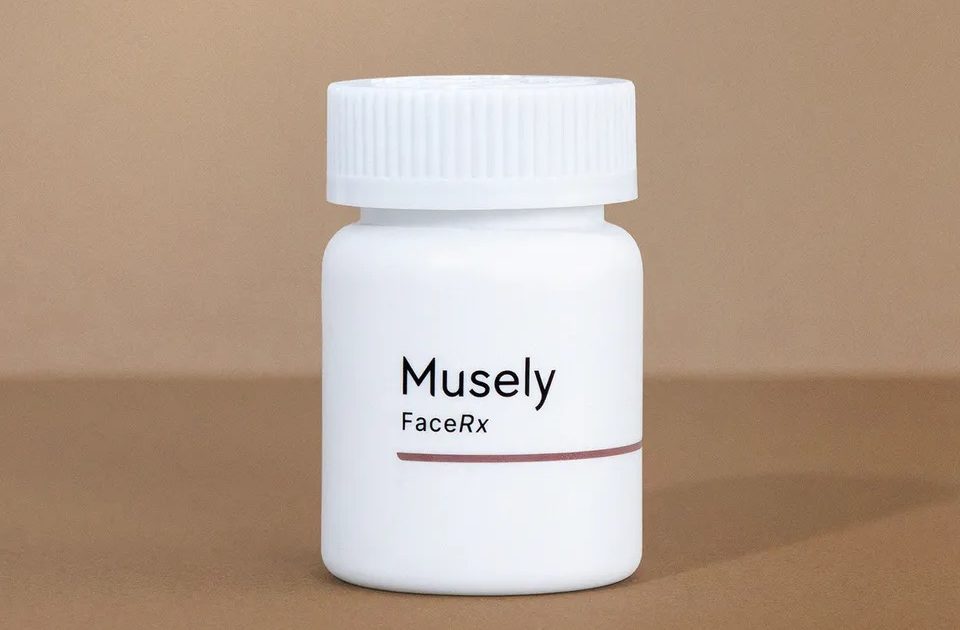
Melasma is the dark-spot problem that refuses to follow the rules. Hydroquinone fades it, then summer brings it back. Lasers can make it worse. Pregnancy, birth control and heat all seem to switch it on. Over the last decade, a pill originally designed to stop heavy bleeding has become one of dermatology’s most useful tools against it: oral tranexamic acid. Musely sells it as The Spot Pill. Here’s what it does, what the research actually shows, who should avoid it, and whether it’s worth $30 a month.
For a broader look at Musely, start with our Musely FaceRx review. For the skin-aging side of the catalog, see our guide to Musely’s anti-aging line.
The Spot Pill at a glance
| Active ingredient | Oral tranexamic acid, compounded and prescribed by a board-certified doctor |
|---|---|
| Price | $30/month, billed as a 3-month supply ($90), or $128 one-time with no subscription |
| Extra costs | One-time online doctor-visit fee of about $20 on new prescription orders; free shipping |
| Payment | HSA/FSA eligible; cancel or pause anytime |
| Musely’s reported results | 88% improvement by day 30, 98% after day 90 (2,435 patients, self-reported) |
| Best for | Stubborn melasma that hasn’t responded well to creams |
What tranexamic acid is and why it works on melasma
Tranexamic acid (TXA) slows the breakdown of blood clots, which is why it’s used at high doses to treat heavy menstrual bleeding. Melasma treatment uses much lower doses. Researchers think it helps by blocking plasmin, a signaling enzyme that, among other things, stimulates pigment cells to produce melanin. It also appears to calm the inflammation and the extra blood vessels found in melasma skin. That’s a big part of why it can reach melasma that creams alone can’t.
Musely’s own FAQ clears up two common worries. At skin-treatment doses, the pill doesn’t stop your period, although some people notice lighter periods. And it isn’t a hormone or a form of birth control.
What the research shows
The evidence for oral TXA is stronger than for most “new” skincare ingredients, though it’s not perfect:
- A meta-analysis of four randomized trials with 480 patients found that adding oral TXA to a standard triple-combination lightening cream produced a greater drop in melasma severity scores than the cream alone. It also found a markedly lower recurrence rate.
- A large retrospective study of 561 patients using 250 mg twice daily, for an average of about four months, reported improvement in most patients. Among those who improved, 27.2% saw the melasma return later.
- Not every trial is as positive. One 100-patient randomized trial of TXA plus 4% hydroquinone versus hydroquinone alone found only a modest extra benefit, and relapse rates were similar between the groups.
Put together, TXA reliably adds to a good cream, works best as part of a combination, and doesn’t cure melasma. Relapse after stopping is common, especially without strict sun protection.
Who should not take it
Because TXA affects clotting, the safety screen is the most important part of the consultation. Tell the Musely doctor about any of the following:
- A personal or family history of blood clots (deep vein thrombosis or pulmonary embolism), stroke or heart attack
- A known clotting disorder
- Estrogen-containing birth control or hormone therapy
- Smoking
- Pregnancy, breastfeeding, or plans to become pregnant
- Upcoming surgery or long periods of immobility
In the 561-patient study, side effects were uncommon and mostly mild: stomach upset, headache and changes to menstrual flow. There was one case of deep vein thrombosis, in a patient later found to have an inherited clotting disorder. That’s exactly why the screening questions exist. Answer them carefully, and stop the pill and seek urgent care if you ever develop calf pain or swelling, chest pain, or sudden shortness of breath.
How to take it and what to expect
Take it exactly as your doctor prescribes. One Musely patient described taking it twice a day while using the Spot Cream at night, which matches common dermatology practice, but your dose is individual. If you miss a dose, Musely’s guidance is simply to continue with the next one, never doubling up.
- Weeks 4–8: most people notice the edges of patches softening and the overall tone looking more even.
- Months 3–4: the typical treatment course in studies, and the right time to judge results with your doctor using same-light photos.
- After that: many dermatologists taper or stop and switch to maintenance with a cream and sunscreen, restarting the pill if melasma returns.
The Spot Pill vs other melasma options
| Option | How it helps | Trade-offs |
|---|---|---|
| Musely Spot Pill ($30/mo) | Works from the inside on pigment, inflammation and vessels | Needs a clotting-risk screen; relapse after stopping |
| Musely Spot Cream ($36/mo) | Up to 12% hydroquinone or 17% azelaic acid, plus tretinoin and other actives | Irritation possible; hydroquinone needs cycling |
| Over-the-counter TXA serums | Topical TXA at lower strengths, gentle | Much weaker; fine for mild cases |
| In-office lasers | Fast results for some pigment | Costly per session; heat can worsen or rebound melasma |
The pill and the cream are designed to work together. The pairing costs about $66 a month, and the research supports the combination over either alone. If you’re mainly dealing with simple sun spots rather than melasma, the cream alone is usually enough and the pill is unnecessary.
The habit that decides the result
No pill outruns the sun. Use a broad-spectrum SPF 30 or higher every day, reapply when you’re outdoors, and choose a tinted mineral sunscreen with iron oxides. These also block the visible light that can deepen melasma, including light through car and office windows. A wide-brimmed hat on bright days does more than most people expect.
Our verdict
The Spot Pill is one of the most evidence-backed products in Musely’s catalog, and at $30 a month it’s also one of the cheapest. For stubborn melasma, especially paired with the Spot Cream, it’s a genuinely useful upgrade over creams alone. The catch is safety, not effectiveness: it isn’t for anyone with clot risk factors, and the online intake only protects you if you answer it fully. Treat it as a three-to-four-month course with sunscreen as non-negotiable, and expect to keep a cream in your routine afterward to hold your results.
Related reading
Affiliate & medical disclosure: This review is independent and for information only, not medical advice. Some links may be affiliate links; we may earn a commission at no cost to you, which never affects our score. Consult a licensed provider before starting any product.