Why a High-Protein Diet Is Your Best Friend for Weight Loss
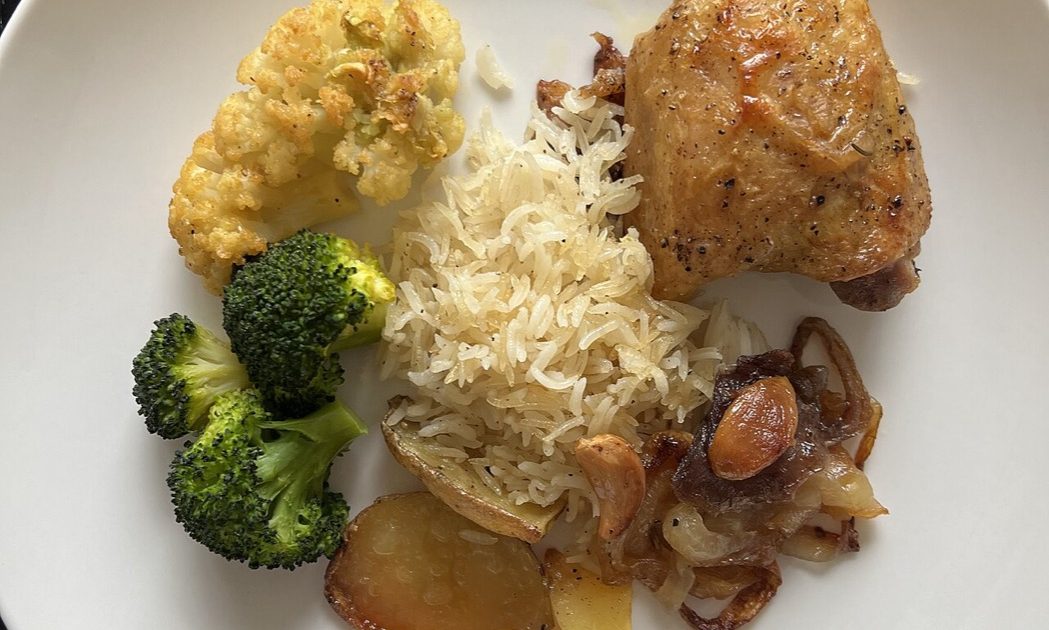
If you could only change one thing about how you eat to lose weight, prioritizing protein would be it. It’s the single most useful lever for feeling satisfied while eating fewer calories.
Here’s why protein earns its reputation as the dieter’s best friend, and how to get enough without turning every meal into a science project.
- Protein keeps you fuller for longer, making a calorie deficit far easier to sustain.
- It helps preserve muscle while you lose fat, which protects your metabolism.
- Aim to include a protein source at every meal rather than obsessing over exact grams.
Protein keeps you full
Protein is the most satiating macronutrient. Meals built around it blunt hunger and cravings, so you naturally eat less without feeling deprived.
That satiety effect is why high-protein eaters often find a calorie deficit almost automatic rather than a daily battle with willpower.
It protects your muscle
When you lose weight, some of it can come from muscle unless you give your body a reason to hold onto it. Adequate protein — alongside some resistance training — signals your body to preserve muscle and burn fat instead.
- More retained muscle means a healthier metabolism
- You end up leaner and more toned, not just lighter
- Muscle preservation matters even more on GLP-1 medication
How much and where to get it
You don’t need to hit a perfect number. A practical goal is a solid protein source at every meal and snack.
- Eggs, Greek yogurt and cottage cheese
- Chicken, turkey, fish and lean beef
- Tofu, tempeh, lentils and beans
- A quality protein powder to fill gaps
Making it effortless
Anchor each meal with protein first, then build the rest around it. Prepping a couple of protein sources in advance removes the daily decision and makes high-protein eating the path of least resistance.
Frequently asked questions
How much protein do I need to lose weight?
Needs vary, but a practical approach is including a substantial protein source at every meal. Active people and those losing weight generally benefit from more rather than less.
Can too much protein be harmful?
For most healthy people, higher protein intake is safe. If you have kidney concerns or a medical condition, check with your provider first.
Is plant protein as good as animal protein?
Yes, you can meet your needs with plant proteins — just include a variety like beans, lentils, tofu and tempeh to cover all your bases.
Does protein help on GLP-1 medication?
Yes — because GLP-1s reduce appetite, prioritizing protein helps you preserve muscle and stay nourished on fewer calories.
Related reading
Affiliate & medical disclosure: This review is independent and for information only, not medical advice. Some links may be affiliate links; we may earn a commission at no cost to you, which never affects our score. Consult a licensed provider before starting any product.