The Mediterranean Diet for Weight Loss and Long-Term Health
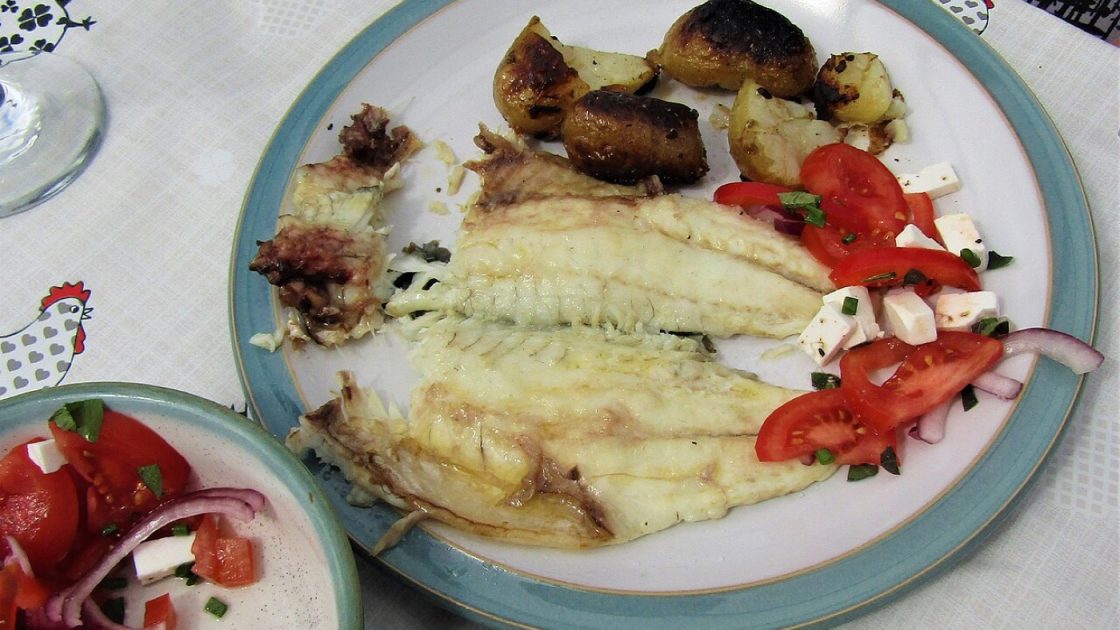
Among all the eating patterns studied over the decades, the Mediterranean diet stands out for one reason: people actually stick to it, and it’s linked to strong long-term health. It’s flexible, flavorful and sustainable — the opposite of a crash diet.
Here’s how the Mediterranean pattern works, why it supports weight loss, and how to eat this way without rigid rules.
- The Mediterranean diet is less a diet than a sustainable, whole-food eating pattern.
- It supports weight loss and long-term health without strict rules or banned foods.
- Its flexibility and flavor are why people stick with it for years.
What the Mediterranean diet is
It’s a whole-food pattern built around vegetables, fruit, legumes, whole grains, fish, olive oil and nuts, with less red meat and few processed foods. It emphasizes what to add rather than what to forbid.
That abundance mindset is a big reason it’s so livable compared with restrictive diets.
Why it helps with weight
The pattern is naturally filling and nutrient-dense, so you tend to eat fewer calories while feeling satisfied. Fiber, protein and healthy fats work together to blunt hunger.
- Vegetables and legumes add volume and fiber
- Fish and legumes provide satisfying protein
- Olive oil and nuts add flavor and satiety
- Minimal processed food means fewer empty calories
Eating the Mediterranean way
You don’t need special products. Shift the balance of your plate toward plants, fish and whole grains, cook with olive oil, and treat red meat and sweets as occasional rather than daily.
- Fill half your plate with vegetables
- Choose fish and legumes often
- Use olive oil as your main fat
- Enjoy fruit for dessert most days
Why it lasts
Because nothing is banned and the food is genuinely enjoyable, the Mediterranean pattern is easy to maintain for life — which is exactly why it delivers both weight loss and lasting health benefits.
Frequently asked questions
Is the Mediterranean diet good for weight loss?
Yes — its filling, whole-food pattern helps you eat fewer calories while staying satisfied, and its sustainability makes results easier to keep.
Can I drink wine on the Mediterranean diet?
The traditional pattern includes modest wine with meals for some, but alcohol isn’t required and adds calories. It’s optional, not essential.
Do I have to give up meat?
No — red meat is simply eaten less often, with fish, legumes and poultry featured more prominently.
Is it expensive to eat this way?
It can be budget-friendly — legumes, whole grains, seasonal vegetables and canned fish are affordable staples of the pattern.
Related reading
Affiliate & medical disclosure: This review is independent and for information only, not medical advice. Some links may be affiliate links; we may earn a commission at no cost to you, which never affects our score. Consult a licensed provider before starting any product.