The Afternoon Slump: The Science of Post-Lunch Energy Crashes and How to Beat Them
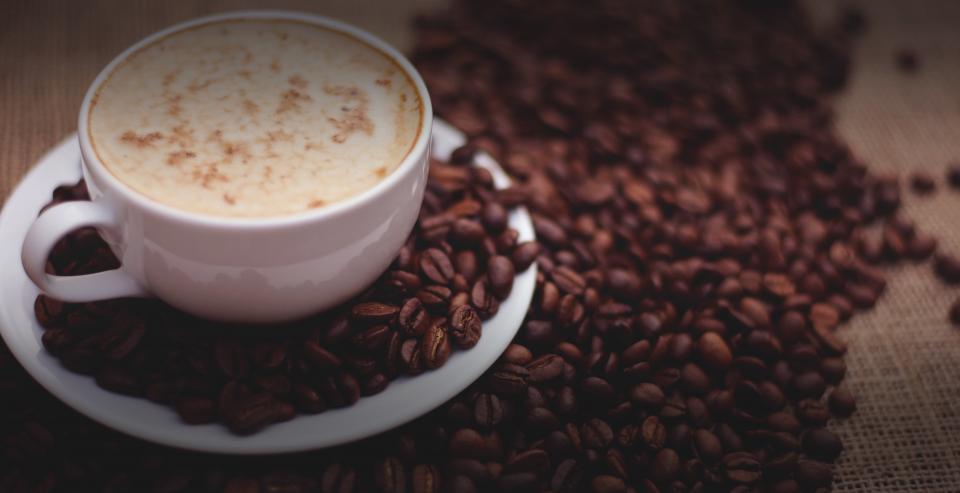
Two o’clock hits and suddenly the day grinds to a halt. Your eyelids feel heavier, focus dissolves into scrolling, and the coffee that worked fine at 9 a.m. barely makes a dent. Most people chalk this up to a heavy lunch or “just being tired,” but the afternoon slump is a real, well-documented physiological pattern with several overlapping causes — and most of the common fixes people reach for only address part of the problem.
Understanding why this dip happens, rather than just fighting through it with more caffeine, makes it much easier to actually reduce how hard it hits and how long it lasts.
Your Body Clock Is Partly to Blame
The afternoon slump isn’t purely about what you ate for lunch — it’s substantially driven by your circadian rhythm, the internal clock that regulates alertness and sleepiness across roughly 24-hour cycles. Most adults experience a natural dip in core alertness in the early-to-mid afternoon, independent of food intake, as part of this built-in rhythm.
This is why even people who skip lunch entirely often still feel a slump around the same time of day. The circadian dip is a normal biological pattern, not a personal failing or sign of poor discipline, though how strongly you feel it can be worsened by other controllable factors.
Blood Sugar and the Post-Lunch Crash
What you eat at lunch does meaningfully affect how pronounced the slump feels, layering on top of the circadian dip. A meal heavy in refined carbohydrates and added sugar causes a rapid rise in blood glucose, followed by a corresponding insulin response that can lead to a sharper drop in blood sugar an hour or two later — often experienced as fatigue, irritability, and difficulty concentrating.
Research consistently shows that meals higher in fiber, protein, and healthy fats produce a more gradual, stable blood glucose response compared to meals dominated by refined starches and sugary drinks. This doesn’t mean carbohydrates are the enemy, but the composition and balance of a meal matters more for afternoon energy than its calorie count alone.
- Refined carbs and sugary drinks tend to worsen the post-lunch energy dip.
- Balanced meals with protein, fiber, and fat produce steadier blood sugar and more stable energy.
- Very large meals, regardless of composition, can worsen sleepiness by diverting blood flow toward digestion.
Sleep Debt Makes the Slump Much Worse
The circadian dip is universal, but its intensity is strongly amplified by inadequate sleep the night before. The CDC notes that roughly one in three US adults do not get enough sleep on a regular basis, and insufficient sleep doesn’t just cause general tiredness — it specifically intensifies the natural afternoon alertness dip, making it feel far more disruptive than it would with adequate rest.
The National Sleep Foundation recommends 7-9 hours of sleep per night for most adults. People consistently sleeping less than this baseline often mistake a sleep-debt problem for a “diet problem” or “caffeine tolerance problem,” when addressing sleep duration directly would have a bigger impact on afternoon energy than any lunch adjustment.
Other Common Contributors
Beyond circadian rhythm, meal composition, and sleep debt, several other everyday factors compound the afternoon dip:
- Dehydration: even mild fluid loss is associated with reduced alertness and concentration
- Prolonged sitting: extended stillness reduces circulation and is linked to lower subjective energy levels
- Caffeine timing: a large morning dose that wears off exactly during the circadian dip can make the crash feel more abrupt
- Low natural light exposure: spending the whole day in dim indoor lighting can blunt the alerting signal that light normally provides
How to Apply This: A Practical Afternoon Reset
Rather than reaching for another coffee or a sugary snack, a more effective approach addresses the actual contributing factors:
- Build a balanced lunch. Include a protein source, some fiber (vegetables, legumes, or whole grains), and a moderate amount of healthy fat rather than a carb-heavy plate alone.
- Get a short burst of natural light and movement after lunch. A 10-15 minute walk outside supports both circadian signaling and circulation.
- Hydrate deliberately. Drink a full glass of water at lunch rather than relying on thirst cues alone, which can be a weak signal for mild dehydration.
- Time caffeine strategically. A smaller afternoon dose, rather than a large morning-only intake, can help smooth out the dip without disrupting nighttime sleep if timed early enough in the afternoon.
- Prioritize consistent sleep for at least a week before concluding that diet or caffeine changes “don’t work” — sleep debt is often the biggest lever, and its effects compound over several nights.
None of these changes require dramatic lifestyle overhauls. Small, consistent adjustments to lunch composition, light exposure, hydration, and sleep timing tend to blunt the slump considerably within a week or two.
When the Slump Might Signal Something Else
An occasional afternoon dip is normal and expected. But persistent, severe daytime fatigue that doesn’t improve with better sleep, hydration, and meal balance can sometimes point to other issues — including anemia, thyroid conditions, sleep disorders, or depression — that are worth discussing with a healthcare provider rather than continuing to self-manage indefinitely with caffeine and willpower.
Is the afternoon slump the same for everyone?
The general circadian dip is common across most adults, but its intensity varies based on individual sleep debt, meal choices, hydration, and even chronotype (whether you’re naturally more of a morning or evening person).
Does napping help with the afternoon slump?
A short nap of 10-20 minutes can restore alertness for many people without causing grogginess, though longer naps late in the day can interfere with nighttime sleep for some individuals.
Should I just drink more coffee to push through it?
More caffeine can mask the slump temporarily, but relying on it exclusively doesn’t address the underlying contributors like sleep debt or meal composition, and too much afternoon caffeine can disrupt that night’s sleep, worsening the cycle the next day.
Why do I feel the slump even on days I skip lunch?
Because the circadian alertness dip is partly independent of food intake. Meal composition can worsen or ease the dip, but it isn’t the sole cause, which is why the slump still shows up even without a heavy meal beforehand.
Related reading
Affiliate & medical disclosure: This review is independent and for information only, not medical advice. Some links may be affiliate links; we may earn a commission at no cost to you, which never affects our score. Consult a licensed provider before starting any product.