Whole Grains vs Refined Grains: What the Evidence Actually Shows
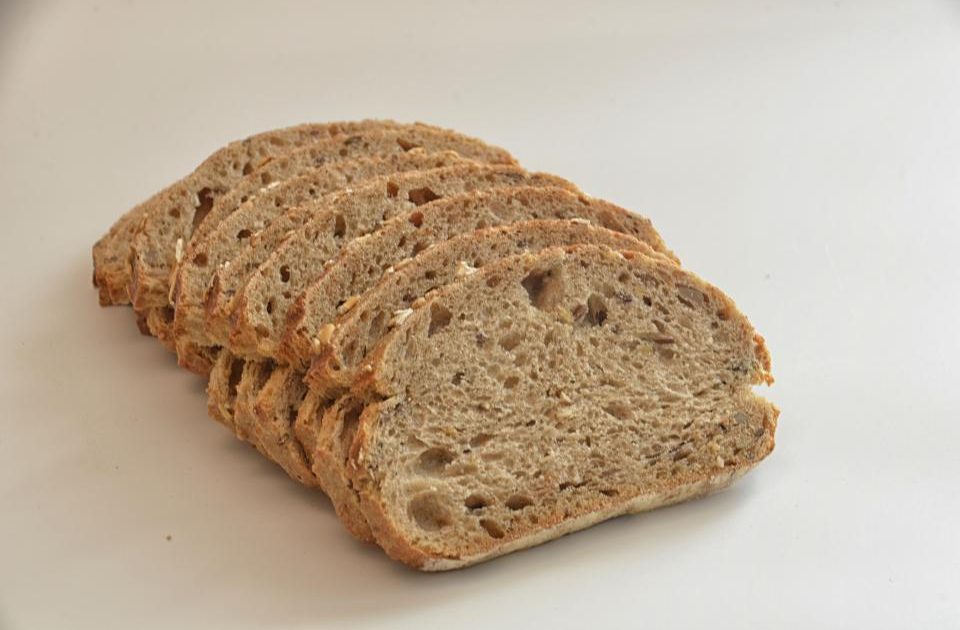
Walk down any bread aisle and you’ll see “whole wheat,” “multigrain,” “12-grain,” and “made with whole grains” competing for your attention — often on loaves that are still mostly refined flour. It’s a common mistake to assume brown color or a grainy-looking crust means a product is genuinely whole grain, when food dyes and added seeds can fake the look entirely.
The distinction matters more than marketing suggests. Refining strips away the bran and germ of a grain kernel, removing most of its fiber, B vitamins, and minerals along with it. Understanding what actually separates a whole grain from a refined one — and what the evidence says about the health difference — can change how you shop and eat without requiring a total diet overhaul.
What Actually Makes a Grain “Whole”
A whole grain keeps all three original parts of the kernel: the bran (fiber-rich outer layer), the germ (nutrient-dense core with healthy fats, vitamins, and minerals), and the endosperm (the starchy interior). Refined grains keep only the endosperm, which is why white flour, white rice, and most conventional pasta are nutritionally thinner than their whole-grain counterparts.
The USDA Dietary Guidelines for Americans recommend that at least half of the grains you eat each day be whole grains, out of a total grain recommendation of roughly 6 ounce-equivalents per day for a 2,000-calorie diet. In practice, most US adults fall well short of that target, leaning heavily on refined breads, pastries, and white rice instead.
The Fiber and Nutrient Gap
The most measurable difference between whole and refined grains is fiber. A slice of whole wheat bread typically contains 2-3 grams of fiber, compared to under 1 gram in a comparable slice of white bread. Multiplied across a day’s meals, that gap adds up quickly.
The Academy of Nutrition and Dietetics notes that most American adults consume only about half of the recommended daily fiber intake, which generally falls around 25 grams per day for women and 38 grams per day for men. Whole grains are one of the most accessible ways to close that gap, alongside vegetables, fruit, and legumes.
- Whole grains retain B vitamins (thiamin, niacin, folate) largely lost in refining
- They contain more magnesium, selenium, and iron than their refined equivalents
- Fiber from whole grains feeds gut bacteria that produce beneficial short-chain fatty acids
- Refined grains are often enriched with a few synthetic B vitamins and iron, but not fiber
What the Research Says About Health Outcomes
Research consistently shows that diets higher in whole grains and lower in refined grains are associated with better long-term health markers, including healthier blood sugar regulation and cardiovascular risk profiles. This is thought to be driven largely by fiber’s effect on slowing glucose absorption and supporting healthy cholesterol levels.
The World Health Organization includes whole grains among the food groups it recommends increasing as part of a healthy diet pattern, alongside vegetables, fruit, nuts, and legumes, while recommending that free sugars make up less than 10% of total energy intake. Because refined grain products are frequently paired with added sugar and fat (think pastries, sweetened cereals, and white bread used in processed snacks), cutting back on refined grains often naturally reduces those extras too.
Reading Labels Without Getting Fooled
Front-of-package claims are not regulated tightly enough to be trustworthy on their own. “Made with whole grains” can legally apply to a product that’s 90% refined flour and 10% whole grain. The only reliable way to check is the ingredient list.
- Look for “whole wheat,” “whole oats,” “whole grain corn,” or similar as the first ingredient
- Be skeptical of “wheat flour,” “enriched flour,” or “multigrain” alone — none guarantee whole grain content
- Check the fiber line on the nutrition panel: 3 grams or more per serving is a reasonable whole-grain signal for bread and cereal
- Brown color can come from molasses or caramel coloring, not whole grain content — color is not proof
How to Apply This: A Simple Swap Plan
You don’t need to eliminate refined grains overnight. A gradual, half-and-half approach tends to stick better than an all-or-nothing switch, and it still delivers most of the fiber benefit.
- Breakfast: swap sweetened refined cereal for plain oats or a whole-grain cereal with at least 3g fiber per serving
- Lunch: choose whole wheat or whole grain bread for sandwiches, or swap white rice for brown rice, farro, or quinoa
- Dinner: try barley, bulgur, or whole wheat pasta in place of white pasta once or twice a week
- Snacks: pick air-popped popcorn or whole-grain crackers over refined chips or crackers
If digestive discomfort shows up when increasing fiber quickly, add whole grains gradually over a couple of weeks and drink enough water — a sudden jump in fiber intake without adequate fluids is a common cause of bloating.
Individual Variation and When to Get Guidance
Whole grains aren’t universally appropriate for everyone. People with celiac disease or non-celiac gluten sensitivity need to avoid wheat, barley, and rye, but can still get whole-grain benefits from gluten-free options like brown rice, quinoa, buckwheat, and certified gluten-free oats. Anyone with a diagnosed digestive condition, or who is unsure how much fiber is appropriate for their situation, should check with a registered dietitian or healthcare provider rather than guessing.
Is brown rice always healthier than white rice?
Generally yes in terms of fiber and micronutrients, since brown rice retains the bran and germ. White rice isn’t harmful in moderation, but relying on it as your main grain source means missing out on the fiber and nutrients whole grains provide.
Do whole grains contain more calories than refined grains?
Calorie counts are similar gram for gram. The real difference is in fiber, micronutrients, and how the food affects fullness and blood sugar — not raw calorie content.
Can eating too many whole grains cause problems?
For most healthy adults, no, as long as fiber intake increases gradually with adequate hydration. People with certain digestive conditions may need individualized guidance from a healthcare provider.
Is oatmeal a whole grain?
Yes. Rolled oats, steel-cut oats, and old-fashioned oats are all whole grains, even though they’re processed for texture. Instant oats are also whole grain, though often more processed and sometimes higher in added sugar.
Related reading
Affiliate & medical disclosure: This review is independent and for information only, not medical advice. Some links may be affiliate links; we may earn a commission at no cost to you, which never affects our score. Consult a licensed provider before starting any product.