Folate: Why This B Vitamin Matters Beyond Pregnancy
Most people associate folate with pregnancy warnings on cereal boxes and prenatal vitamin ads, but this B vitamin is quietly essential for everyone, at every life stage. It helps your body make new DNA and red blood cells, and a shortfall can leave you tired, foggy, and anemic long before you’d ever suspect a nutrient gap.
The confusion starts with terminology: folate and folic acid are often used interchangeably, but they aren’t identical, and the difference matters for how your body absorbs and uses them. Understanding the distinction, along with who is actually at risk of falling short, can help you close the gap with food first and supplements only when needed.
What Folate Actually Does in Your Body
Folate is a water-soluble B vitamin (B9) involved in one-carbon metabolism, a process your cells use to build and repair DNA. Without enough folate, cell division slows down, which shows up first in fast-turnover tissues like blood cells and the lining of your gut.
Folate also works alongside vitamin B12 to control homocysteine, an amino acid linked to cardiovascular risk when levels run high. The National Institutes of Health (NIH) notes that adequate folate status supports healthy homocysteine metabolism, though folate supplementation alone hasn’t been shown to reliably prevent heart disease in people who are already getting enough from food.
- Supports DNA synthesis and cell division
- Works with B12 to form healthy red blood cells
- Helps regulate homocysteine levels
- Plays a critical role in early fetal neural tube development
Folate vs Folic Acid: What’s the Difference
Folate is the naturally occurring form found in leafy greens, legumes, and citrus fruit. Folic acid is the synthetic, more stable form used in supplements and to fortify foods like bread, pasta, and breakfast cereal in many countries, including the United States since the late 1990s.
The NIH Office of Dietary Supplements explains that folic acid is actually absorbed more efficiently than natural food folate when taken on an empty stomach, which is one reason fortification programs have been so effective at raising population-wide folate status. Intakes are typically expressed in Dietary Folate Equivalents (DFE) to account for this absorption difference; the adult RDA is 400 mcg DFE per day.
Who Is Most at Risk of Falling Short
In countries with mandatory fortification, outright folate deficiency is uncommon, but certain groups still run low. People with limited fruit and vegetable intake, heavy alcohol use, malabsorption conditions like celiac disease, or those taking certain medications (including some anti-seizure drugs and methotrexate) are more likely to fall short.
A specific genetic variant in the MTHFR gene, present in a meaningful share of the population, can also reduce how efficiently some people convert folate into its active form, though the Academy of Nutrition and Dietetics notes that for most people with this variant, a balanced diet still meets their needs without special supplementation.
- People who drink alcohol heavily or regularly
- Those with digestive conditions affecting nutrient absorption
- People on certain long-term medications
- Women who could become pregnant
- Older adults eating a limited variety of foods
The Best Food Sources of Folate
You don’t need a supplement to hit your target if your plate includes a reasonable amount of produce and legumes each day. Leafy greens, beans, and fortified grains are especially concentrated sources.
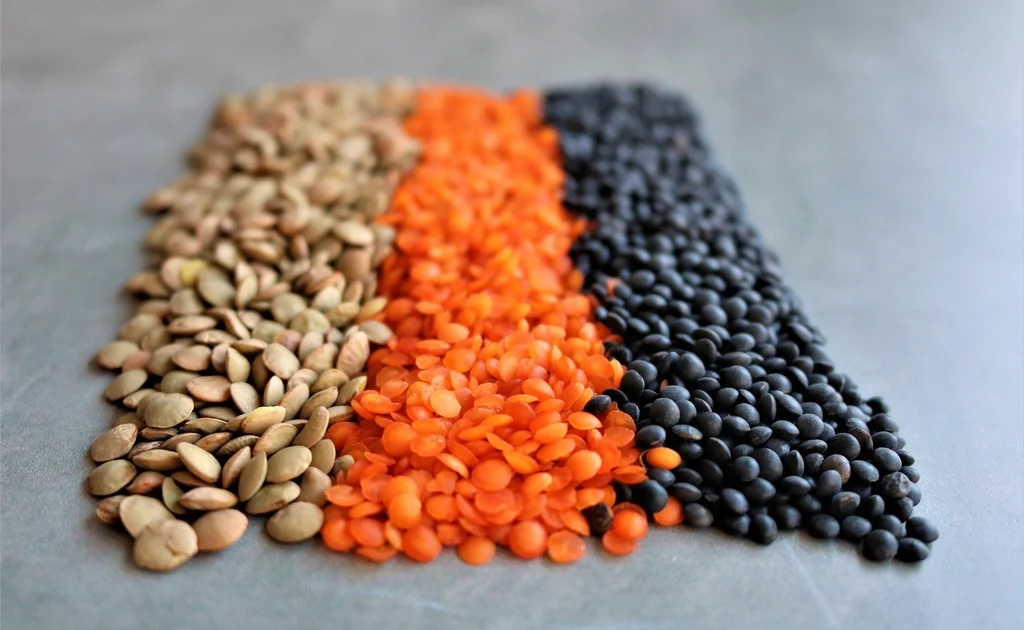
Good everyday sources include: cooked lentils, spinach and other dark leafy greens, black-eyed peas and other beans, asparagus, avocado, fortified breakfast cereal, and orange juice. A single cup of cooked lentils can provide well over half of the daily target on its own, which is part of why the Academy of Nutrition and Dietetics highlights legumes as an efficient, budget-friendly way to cover multiple nutrient gaps at once, including fiber and folate together.
Folate and Pregnancy: Why the Emphasis
Folate’s reputation as “the pregnancy vitamin” is well earned. Adequate folate in the weeks before and during early pregnancy is critical for neural tube formation, which happens very early, often before a person knows they’re pregnant. The Centers for Disease Control and Prevention (CDC) recommends that all women capable of becoming pregnant get 400 micrograms of folic acid daily, noting this can reduce the risk of neural tube defects such as spina bifida by up to 70% when started before conception.
This is why prenatal-style supplementation is generally started before conception rather than after a pregnancy is confirmed. Once pregnancy is established, needs rise further, to around 600 mcg DFE per day, according to NIH guidance, which is one reason healthcare providers typically recommend a dedicated prenatal supplement rather than relying on diet alone during this window.
How to Apply This: A Simple Day of Folate-Friendly Eating
You can meet the adult RDA of 400 mcg DFE through food alone with a bit of planning. Here’s what that can look like across a normal day, without needing to track numbers obsessively.
- Breakfast: Fortified whole-grain cereal or toast with a glass of orange juice
- Lunch: A large spinach salad topped with chickpeas or black beans
- Snack: A handful of roasted edamame or an avocado on whole-grain crackers
- Dinner: Lentil soup or a bean-based chili with a side of steamed asparagus or broccoli
Cooking method matters too: folate is water-soluble and heat-sensitive, so steaming or lightly sautéing vegetables preserves more of it than boiling them for long periods. If you’re planning a pregnancy or are already pregnant, talk to your healthcare provider about whether a folic acid supplement is right for you rather than relying on estimates from food alone, since timing and dosage matter for neural tube protection specifically.
Can you get too much folate?
Folate from food has no established upper limit because your body excretes what it doesn’t use. Folic acid from supplements and fortified foods does have an upper limit for adults (1,000 mcg per day from supplements/fortified sources), mainly because very high intakes can mask a vitamin B12 deficiency. Stick to recommended doses and check with a healthcare provider before taking high-dose supplements.
Is folate the same as folic acid supplements sold in stores?
Not exactly. Many supplements use folic acid, but some now use L-methylfolate, the already-active form, which may be preferable for people with reduced MTHFR enzyme activity. Neither is inherently better for the general population; the right choice depends on individual factors a healthcare provider can help assess.
Do I need a folate supplement if I eat a healthy diet?
Most people who regularly eat leafy greens, legumes, and fortified grains can meet their needs through food. Supplementation becomes more relevant for those who are pregnant or planning pregnancy, have absorption issues, drink heavily, or eat a very limited diet.
What are early signs of low folate?
Fatigue, weakness, irritability, and a specific type of anemia (megaloblastic anemia) are classic signs, though these can overlap with other nutrient deficiencies. A blood test ordered by a healthcare provider is the only reliable way to confirm folate status rather than guessing from symptoms alone.
Related reading
Affiliate & medical disclosure: This review is independent and for information only, not medical advice. Some links may be affiliate links; we may earn a commission at no cost to you, which never affects our score. Consult a licensed provider before starting any product.